

Wellness Fair Ideas: 10 Powerful Ways for Amazing Results 2025
Wellness Fair Ideas That Create Lasting Impact
Looking for practical wellness fair ideas to engage your community? Here’s a quick overview of top ideas to consider:
- Health Screenings: Blood pressure, BMI, glucose testing
- Interactive Demos: Healthy cooking, yoga, ergonomics
- Education Stations: Nutrition, stress management, financial wellness
- Engagement Activities: Wellness passport challenges, raffles, photo booths
- Technology Integration: Health app demos, wearable fitness tech showcases
- Community Resources: Local gym partnerships, nonprofit organizations
A wellness fair is more than just a collection of health booths – it’s an interactive opportunity to educate, engage, and inspire participants across multiple dimensions of wellbeing.
Wellness fairs differ from traditional health fairs by expanding beyond physical health to address mental, social, environmental, and financial wellness. This holistic approach creates a more engaging experience that resonates with diverse audiences and drives meaningful behavior change.
The typical wellness fair requires about six weeks of planning and runs for 3-4 hours, though the scope can be adjusted based on your goals and audience size. With thoughtful planning and creative execution, your wellness fair can become the catalyst for lasting wellness initiatives in your organization or community.
I’m Joe Amaral, and throughout my career in digital marketing, I’ve helped numerous health and wellness organizations develop engaging wellness fair ideas that drive meaningful community engagement and business growth.

Simple guide to wellness fair ideas terms:
What Makes a Wellness Fair Different?
When you hear “wellness fair,” you might wonder how it differs from the traditional health fairs we’ve seen for years. The distinction is actually quite meaningful!
Wellness fairs represent an evolution in how we think about health – moving beyond just physical checkups to accept a more complete picture of wellbeing.
“A health fair focuses primarily on physical health and traditional care, while a wellness fair addresses multiple wellness dimensions including mental, social, environmental, and financial,” explains wellness consultant Melissa Mitri, MS, RDN.
This broader approach creates an experience that resonates with more people, since true wellness touches every part of our lives:
| Health Fair | Wellness Fair |
|---|---|
| Focuses on physical health metrics | Accepts all dimensions of wellness |
| Primarily screening-oriented | Balance of screenings, education, and activities |
| Medical professionals as primary vendors | Diverse vendors across wellness domains |
| Disease prevention focus | Holistic wellbeing and lifestyle improvement |
| Often more clinical in atmosphere | Usually more interactive and engaging |
Even the Centers for Disease Control and Prevention (CDC) guidelines now emphasize this integrated approach, recognizing that our physical health doesn’t exist in isolation from other aspects of our wellbeing.
The Core Goals & Benefits
A thoughtfully planned wellness fair delivers powerful benefits that extend far beyond the day of the event:
Early Detection of Health Issues can literally save lives. The American Heart Association reports that community health screenings identify previously undiagnosed conditions in up to 40% of participants. That’s potentially life-changing!
Behavior Change Catalyst – There’s magic in hands-on experiences. When people actively participate rather than just receiving information, they’re much more likely to make lasting changes. It’s the difference between reading about yoga and actually trying a pose.
Community Building creates connections that digital resources simply can’t replicate. As corporate wellness specialist Kate Hamm notes, “Employees are more likely to be engaged at a live event, and stay motivated afterward, compared to only accessing a resource library.”
Cost Savings make wellness fairs a smart investment. For employers, promoting preventive care pays off – studies show wellness programs deliver an average ROI of $3.27 for every dollar spent on healthcare costs.
Morale Boost signals that you genuinely care about people’s wellbeing. As one HR director shared with us, “Our annual wellness fair has become something employees actually look forward to—they see it as a benefit rather than an obligation.”
Determining Audience Needs
The most successful wellness fair ideas come from truly understanding what your specific audience needs and wants. Here’s how to get those insights:
Pulse Surveys give you quick feedback on wellness interests. Keep these brief (5-7 questions) to get more responses. Simple questions like “Which wellness topics interest you most?” can reveal surprising priorities.
Biometric Data Analysis helps identify common health challenges. One of our clients finded that over 60% of their employees had liftd stress levels, which prompted them to feature stress management resources prominently at their fair.
Focus Groups uncover nuances that surveys might miss. A wellness coordinator told us, “What surprised us most in our focus groups was how many employees wanted financial wellness resources—something we hadn’t considered for previous fairs.”
Persona Mapping helps you think about different participant types. Young parents might prioritize family health topics, while pre-retirees might be more interested in long-term wellness planning. Creating these profiles ensures you don’t leave anyone out.
Needs assessment isn’t just about what people say they want—it’s about identifying gaps between current wellbeing and desired outcomes. As one community health director wisely noted, “Sometimes the topics people need most aren’t the ones they’re most excited about. Finding engaging ways to address these crucial needs is the real art of wellness fair planning.”
Laying the Groundwork: Timeline, Budget & Team
A successful wellness fair doesn’t just come together overnight—it takes thoughtful planning, a bit of creativity, and a team that’s ready to roll up their sleeves and have some fun along the way.

The magic number for planning most wellness fair ideas is about six weeks. Bigger events might need even more time—think three to six months—especially if you want mobile clinics, celebrity speakers, or major sponsors.
Start with backward planning: Envision your dream fair, then work your way backward to today. At the six-week mark, gather your planning group, set clear goals, nail down a budget that makes sense, choose your date and venue, and start researching vendors. This is the moment to imagine what will make your event truly memorable.
By weeks four and five, it’s time to get specific. Finalize your theme (will it be “Spring Into Health” or maybe a family fitness fest?), lock in those key vendors and speakers, map out your floor plan, and get your promotional strategy rolling. Don’t forget to develop tools to measure your success—you’ll want to know what worked!
With two to three weeks left, you’ll be confirming vendors, kicking off your promotion (hello, countdown teasers and poster campaigns!), ordering any supplies, and making sure your amazing volunteers are on board and trained. Logistics like parking, food, and registration materials should be coming together nicely by now.
The week before your event gets a little more intense. Go through every detail—reconfirm vendors, ramp up your promotion, finalize your tech, and hold a last volunteer huddle. The day before, it’s all about setup, signage, and making sure everyone knows their role. It’s a lot, but a final walk-through and some good checklists will keep stress at bay.
Event planner Maria Chen reminds us, “The most common mistake I see is underestimating setup time. Always add a 25% buffer, especially for tech!” And she’s right—nothing derails a good wellness fair faster than a microphone that won’t cooperate.
Budgeting is where you get creative. Small, first-time events can run on $500–$1,500 with volunteer speakers and a little community magic. Mid-sized fairs often land between $1,500 and $5,000, which lets you bring in paid vendors, higher-quality incentives, and a few extra touches. Going all out? A premium tier ($5,000+) means you can wow your guests with professional speakers, big-ticket activities, and comprehensive screenings.
Pro tip: In-kind donations are your secret weapon. One hospital director told us, “We secured over $2,000 in raffle prizes from local businesses who were thrilled to support our community’s health.” Never underestimate the power of a good cause.
No matter your budget, keep a contingency fund of 10–15%. Trust us—there’s always an expense you didn’t see coming. Or as one seasoned coordinator put it: “There’s always something you didn’t budget for—always.”
Building a Cross-Functional Committee
Your planning committee is the heart of the operation. Aim for a small-but-mighty group—three to eight people who bring different skills and perspectives. Look for wellness champions who can inspire others, leadership representatives to give your event real organizational support, and content experts to ensure your information is rock solid.
You’ll also need folks with marketing know-how to spread the word, logistics wizards who can keep everything running smoothly, and someone to mind the budget. Don’t forget a volunteer coordinator—happy volunteers are the engine of every great wellness fair.
One corporate wellness manager shared, “Our ambassador program transformed our attendance. When respected peers personally invited colleagues, it worked better than any email blast.” Personal touch wins every time.
Define each committee role early—chairperson, vendor liaison, promotion lead, logistics manager, volunteer coordinator, and evaluation lead. Clear roles prevent last-minute scrambles and help your team shine.
And remember: leadership buy-in is a game-changer. When your principal, CEO, or supervisor not only approves but participates in your fair, everyone else will follow their lead.
Securing Community & Business Partners
Strong partnerships bring your wellness fair ideas to life without breaking the bank. Reach out to local healthcare providers (hospitals, clinics, private practices), fitness facilities (gyms, yoga studios, rec centers), and nonprofits like the American Heart Association. Even government agencies and local colleges often have outreach programs and are happy to participate.
Wellness-focused businesses—think health food stores, supplement retailers, and wellness product companies—make excellent partners. As marketing consultant James Wilson puts it, “The key to successful partnerships is making the value proposition clear. Let them know how many people they’ll reach and what kind of engagement they can expect.”
A professional sponsorship deck helps. Be sure to include an overview of your event, audience demographics, sponsorship levels, and some success stories or metrics if you have them. One health director said, “We created tiered sponsorship packages from $250 to $2,500. Even small businesses could participate—and we raised over $8,000!”
Give your partners enough time to get involved—most need about six weeks to prepare. For more inspiration and expert guidance, consider consulting with wellness marketing specialists who understand the unique needs of health and wellness events.
With the right planning, the right team, and the right partners, your wellness fair will not just run smoothly—it’ll make a true, lasting difference.
Wellness Fair Ideas & Themes to Wow Your Audience
A great theme does more than just decorate your wellness fair—it brings everything together, builds excitement, and gives your activities a clear direction. When your theme clicks with your organization’s culture and resonates with participants, magic happens.

I’ve seen how the right seasonal theme can transform an ordinary wellness fair into something people talk about for months. Spring Into Health celebrations accept renewal and fresh starts, with bright colors and outdoor activity demos. When fall arrives, a Fall Into Fitness theme helps people focus on immune support and staying active as temperatures drop. During the winter months, a Winter Wellness Wonderland creates a cozy atmosphere for stress management workshops and indoor fitness options. And nothing beats a Summer of Self-Care theme when the weather warms up, featuring sun safety stations and creative ideas for active vacations.
National health observances offer ready-made themes with built-in resources. February’s Heart Health Month comes with American Heart Association partnerships and red-themed decorations. In May, a Mental Health Awareness Month focus opens conversations about emotional wellbeing in a supportive environment. March brings National Nutrition Month, perfect for cooking demonstrations and food-centered activities. And a November fair during Diabetes Awareness Month creates natural opportunities for blood sugar screenings and management resources.
“A theme transforms your fair from a collection of booths into a cohesive experience,” explains event designer Sophia Lee. “It guides your decorations, activities, and even the language you use in promotion.”
Some of my favorite conceptual themes include the Wellness Passport approach, where participants “travel” between different wellness “destinations” collecting stamps. The Wellness Olympics theme introduces friendly competitions across multiple dimensions of health. Kids and adults alike love a Superhero Health theme emphasizing personal “superpowers” for taking control of wellbeing. And the Building Blocks of Wellness concept beautifully illustrates how small changes create a foundation for lasting health.
One hospital wellness coordinator shared a success story that still makes me smile: “Our ‘Carnival of Wellness’ theme completely changed the energy of our fair. We had carnival games modified to teach health concepts, healthy versions of carnival foods, and even a strongman competition testing grip strength as a measure of overall fitness. Attendance increased 47% over our previous traditional health fair.”
Top 10 wellness fair ideas for families
Family wellness fairs require a special touch to engage everyone from toddlers to grandparents.
Children love a good Bike Rodeo where local police create a bicycle safety course teaching road rules alongside helmet fittings and safety checks. “Over 50% of car seats in the US are not installed correctly,” notes safety expert Michael Torres, which makes Car Seat Safety Checks with certified technicians an essential service for parents.
A Healthy Snack Station where kids create their own trail mix or fruit kabobs turns nutrition education into hands-on fun. “The hands-on nature of food preparation makes nutrition lessons stick,” says pediatric dietitian Emma Chen. Family Fitness Challenges like parent-child obstacle courses or dance competitions get everyone moving together.
I’ve never seen stressed-out families resist a Pet Therapy station with animals from local shelters. “Animals create an instant connection point and reduce stress hormones within minutes,” observes therapist David Miller. Creative stations for Art for Wellness where families make vision boards or stress-relief crafts appeal to all ages.
A quiet Storytelling Corner featuring books about health and emotions provides a peaceful retreat. Emergency Preparedness demonstrations teach first aid skills in kid-friendly ways. Garden Starter Kits with seed packets inspire family gardening projects, while a Family Health Passport creates a shared mission with prizes for full participation.
“The magic happens when you create activities that educate the parents while entertaining the kids,” observes family wellness coordinator Sarah Johnson. “When we added a bounce house next to our nutrition education booth, parent engagement tripled because they could actually focus on the information.”
Budget-Friendly wellness fair ideas for small teams
Limited resources don’t mean limited impact. Small organizations can create meaningful wellness experiences without breaking the bank.
Skill Swap Sessions leverage hidden talents within your team. “We finded we had a yoga instructor, amateur chef, and financial planner all within our team of 30,” one small business owner told me. DIY Wellness Stations with written instructions for stress-reduction breathing exercises, gratitude journaling prompts, or illustrated stretching guides require minimal staffing.
A Potluck Healthy Lunch where participants bring nutritious dishes with recipe cards creates community while sharing healthy cooking ideas. Small businesses can arrange a Local Speaker Exchange, “trading” wellness experts with nearby companies at no cost. A Wellness Scavenger Hunt around your facility adds movement and fun with minimal preparation.
I’ve seen great success with a Resource Round-Up of free materials from health organizations arranged into information stations. Creating a Tech-Free Zone for digital detox costs nothing but offers immense value. Using your fair to launch a Step Challenge Kick-Off with free tracking tools builds ongoing engagement. A Wellness Book Exchange where participants swap health-related books refreshes everyone’s reading list without spending a dime. And a Community Resource Spotlight featuring free local services connects your team with valuable support.
“Our tiny nonprofit couldn’t afford fancy vendors, so we created a ‘wellness wisdom’ wall where staff shared their personal wellness tips and tricks,” recalls executive director James Chen. “It became the most visited ‘booth’ at our fair because the advice felt authentic and achievable.”
The most successful wellness fair ideas I’ve seen combine creativity with genuine care for participants’ wellbeing. Whether you’re planning a large community event or a small team gathering, focusing on meaningful engagement rather than flashy expenses will create the most lasting impact.
Activities, Booths & Tech Innovations That Drive Engagement
The heart of any wellness fair is its activities and booths. The most successful fairs follow the “three E’s” framework: education, engagement, and entertainment.
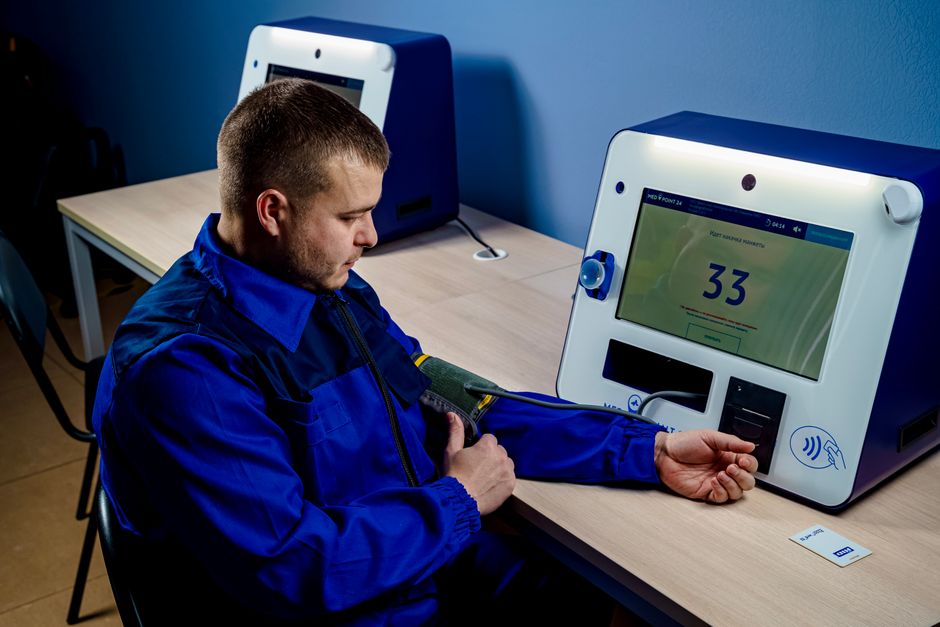
Essential Health Screenings:
When I helped organize our community’s first major wellness fair, we finded that basic health screenings were not just valuable services—they were conversation starters that opened doors to deeper health discussions.
Blood pressure checks are perfect for any fair—they’re quick, non-invasive, and provide immediate results that participants can discuss on the spot. One nurse told me, “I’ve had people literally call their doctors from our booth after seeing their numbers.”
BMI and body composition measurements tend to draw curious participants, while glucose testing becomes especially meaningful during Diabetes Awareness Month. For organizations with larger budgets, cholesterol screening stations provide substantial value, though they require more equipment and trained personnel.
“Privacy is crucial for screenings,” emphasized healthcare privacy consultant Elena Rodriguez at a recent planning session. “Position these booths in quiet areas, preferably with some form of visual barrier, and ensure results are delivered confidentially.”
Some of the most impactful wellness fair ideas I’ve seen include specialized screening options like mobile mammography units. Yes, they require significant advance planning, but the accessibility they provide is best. At one community fair, skin cancer screenings became the unexpected star attraction, with lines forming throughout the day. For fairs targeting older adults, bone density testing stations often become must-visit destinations.
According to research from the American Heart Association, these screening activities don’t just educate—they can literally save lives by catching issues before they become emergencies.
Interactive & Hands-On Stations
The wellness fair ideas that participants remember long after the event are almost always hands-on demonstrations that create “aha” moments.
The glitter hand-washing demonstration never fails to surprise participants. Infection control nurse Maria Garcia shared with me, “People laugh when they see how much ‘glitter germ’ remains after washing with water alone versus proper technique with soap.” That visual impact sticks with them far longer than any pamphlet could.
Similarly, the straw-breathing lung demonstration creates instant understanding about respiratory conditions. Participants breathe through a straw while pinching their noses to simulate emphysema symptoms, and as pulmonologist Dr. James Kim noted, “This activity creates an immediate emotional impact about the effects of smoking that statistics simply cannot.”
One of my favorite stations uses sugar cubes to reveal the actual sugar content in popular beverages. “People are consistently shocked to see 16 teaspoons of sugar physically represented beside their favorite drinks,” nutritionist Emma Chen told me after running this booth for three consecutive years.
CPR practice stations provide life-saving skills in a low-pressure environment. “Even five minutes of guided practice dramatically increases confidence in emergency situations,” explained EMT Michael Torres, who’s been volunteering at wellness fairs for over a decade.
Ergonomic workstation assessments have become particularly popular in corporate settings. One wellness manager shared, “Employees were amazed at how small adjustments immediately reduced their discomfort. They left with personalized recommendations they could implement that same day.”
The aroma of healthy cooking demonstrations naturally draws crowds. Chef David Miller, who’s run dozens of these demos, told me, “When participants taste the results and realize how simple the recipe is, you’ve created a convert in a way that no lecture could.”
Chair massage stations consistently rank as crowd favorites. “We use them strategically,” one organizer explained, “by placing them centrally but requiring participants to visit other booths first.” This creates movement throughout your fair while ensuring everyone gets to experience this popular offering.
In our increasingly hectic world, mindfulness practice pods provide welcome respite. “Even five minutes of guided stillness feels to many participants,” observed meditation teacher Sarah Johnson after leading sessions at a recent fair.
Leveraging Apps, Telehealth & Data
Technology doesn’t just improve your wellness fair—it extends its impact long after the event ends.
At a recent university wellness fair, the “tech bar” concept proved incredibly effective. Digital health specialist Jason Wong explained, “We created stations where volunteers helped participants download and set up recommended health apps. The key was not just showcasing the technology, but ensuring people left with it properly configured on their own devices.”
Wellness fair ideas that incorporate wearable device demonstrations create natural opportunities for discussing how technology can support health goals. Partner with technology vendors to offer hands-on experiences with fitness trackers, smart watches, and other monitoring devices.
Telehealth demonstrations address a common barrier to utilization. “Many participants have heard about telehealth but never tried it,” healthcare consultant Elena Rodriguez pointed out. “A live demonstration removes the mystery and builds confidence for future use.”
QR codes have revolutionized resource sharing at wellness fairs. Rather than participants leaving with armfuls of pamphlets (most destined for recycling), strategic QR codes throughout the fair can link to curated health resources that remain accessible indefinitely.
Live polling tools like Poll Everywhere transform passive presentations into interactive experiences. At one corporate wellness fair, presenters used anonymous polling to reveal workplace stress levels, sparking meaningful discussions that continued long after the fair ended.
Virtual reality experiences consistently generate buzz. “Our stress management VR station had the longest lines all day,” a wellness coordinator told me. “Participants experienced guided relaxation in virtual natural environments and wanted to know how they could access similar tools at home.”
Digital health risk assessments on tablet stations provide comprehensive health insights with immediate feedback, while remote monitoring demonstrations show how continuous glucose monitors, blood pressure cuffs, and other devices integrate with everyday technology.
One particularly innovative hospital created what they called a “Health Technology Petting Zoo” where participants could try various devices without pressure. “The hands-on approach eliminated the intimidation factor that many people, especially seniors, feel around new technology,” their digital health director explained.
The research is clear: according to heart health studies, interactive technology demonstrations significantly increase the likelihood of participants adopting new health behaviors. By incorporating these tech-forward wellness fair ideas, you’re not just creating an engaging event—you’re building bridges to lasting health improvements.
For more innovative wellness fair booth ideas, consider researching creative approaches that have worked for other organizations in your industry.
Promotion, Incentives & Inclusive Engagement
Let’s face it – even the most amazing wellness fair won’t make an impact if nobody shows up! The golden rule I’ve heard from wellness fair veterans time and again is simple: “PROMOTE, MOTIVATE, PROMOTE!”
Your promotion strategy should kick off at least four weeks before the big day. Think of it like building a drumbeat that gets louder as the event approaches. Start with emails that introduce the concept, then gradually add specifics about exciting vendors, activities, and prizes.
“I’ve found that physical signage still catches eyes in ways digital sometimes misses,” shares corporate wellness consultant Kate Hamm. “Those posters in break rooms and banners in lobbies serve as daily reminders that something special is coming.”
Digital channels are equally important – leverage your intranet, team newsletters, and social media to create buzz. But here’s the secret sauce: personal invitations. When respected team members personally ask colleagues to join them, attendance jumps dramatically. Consider recruiting wellness ambassadors who can spread enthusiasm throughout your organization.
One clever approach I loved came from HR director Michael Chen: “We left half of a small prize on each employee’s desk with a note saying they could collect the other half at the fair. Curiosity drove our attendance through the roof!” Talk about creative thinking!

Creative Giveaway & Prize Ideas
Let’s talk incentives – they can boost participation by up to 30%, which is nothing to sneeze at! The wellness passport program remains a crowd favorite. Create a simple passport that gets stamped at each booth, with completed passports eligible for prize drawings. One organizer told me, “This simple gamification technique increased our average booth visits per attendee from 4 to 9.” That’s more than double the engagement!
Consider a tiered prize approach – small giveaways for basic participation, medium prizes for completing certain activities, and grand prizes via raffle. This creates multiple ways for people to win while encouraging deeper engagement.
While water bottles and t-shirts have their place, experience-based rewards often generate more excitement. Wellness coordinator Sarah Johnson shared, “People’s eyes light up when they hear about massage gift certificates or fitness class packages – these prizes feel special in a way products sometimes don’t.”
For product giveaways, consider quality items that reinforce wellness habits: fitness trackers (basic models can be surprisingly affordable in bulk), healthy cookbook collections, ergonomic desk accessories, or stress-relief tools.
Don’t forget to tap local businesses for prizes! Community organizer Elena Rodriguez notes, “We secured over $3,000 in donated prizes from local businesses who wanted to support community health and gain exposure.” It’s a win-win partnership.
One approach that really impressed me came from a corporate wellness fair: “We created a ‘choose your own trip’ prize system where participants earned points at each booth, then could ‘spend’ their points on items that matched their personal wellness interests,” explains wellness director Jason Wong. This personalized approach respects that different people have different wellness priorities.
Post-Fair Momentum Builders
The truly successful wellness fair ideas don’t end when the booths come down – they launch ongoing initiatives that keep the wellness momentum going for months.
Use your fair as a kickoff for structured wellness challenges. Step competitions are perennial favorites, but consider hydration challenges, mindfulness practice streaks, or nutrition improvement programs too. The energy and community spirit of the fair naturally flows into these ongoing activities.
Plan a series of follow-up communications that reinforce key messages and provide additional resources. “We schedule emails with deeper dives into popular fair topics for the six weeks following our event,” one wellness coordinator shared. “It keeps the conversation going.”
Create a digital library of materials from the fair, making resources accessible to those who couldn’t attend. This extends your fair’s reach beyond just those who walked through the door.
“Our wellness fair is actually just the kickoff event for our annual ‘Wellness Way’ program,” explains corporate wellness director Maria Garcia. “We use the energy and data from the fair to fuel six months of targeted programming.”
By thinking of your wellness fair as the beginning of a journey rather than a one-day event, you’ll create lasting impact that transforms individual lives and organizational culture. And isn’t that what wellness is all about?
Day-Of Logistics, Flow & Evaluation
Even the most creative wellness fair ideas require solid logistical execution to succeed. I’ve seen how attention to these details can transform an event from potentially chaotic to smoothly professional.

Floor Plan & Traffic Flow
Think of your floor plan as telling a story—one that guides participants through a meaningful wellness journey. Group similar activities into zones (screenings, physical activities, nutrition) to create a logical flow. One clever approach I’ve seen work well comes from event planner David Miller: “We sandwich less-visited booths between popular attractions to ensure exposure.”
Privacy matters tremendously, especially for health screenings. Position these areas away from high-traffic zones where participants might feel exposed or uncomfortable. Include some quiet conversation spaces with seating where people can digest information they’ve received—these “decompression zones” often lead to the most meaningful connections.
Accessibility should never be an afterthought. Ensure ample space for mobility devices and eliminate physical barriers that might exclude participants. As one hospital wellness coordinator shared with me, “Map your visitor journey intentionally. We use floor arrows and numbered stations to create a natural flow while still allowing for exploration.”
Vendor Management
Your vendors are partners in creating an exceptional experience, and clear communication sets everyone up for success. Prepare a detailed information packet that includes setup times, table dimensions, electrical/internet access details, parking instructions, and emergency contact information.
Create a smooth vendor check-in process with a designated entry point and clear procedure. Sarah Johnson, an experienced event coordinator, recommends preparing a “vendor emergency kit” with extension cords, tape, markers, and other commonly needed items. “This simple box has saved countless small crises during our events,” she notes.
Don’t forget vendor hospitality! Providing water, snacks, and occasional break coverage shows appreciation for their participation. Also, establish clear expectations about sales activities, data collection, and promotional materials to avoid day-of conflicts.
Technology & Support
Technology failures can quickly derail your event, but proper planning prevents most issues. Test all equipment the day before and again the morning of your fair. IT specialist Jason Wong offers this practical advice: “For every tech element, we have a non-tech backup ready. When our digital sign-in system crashed last year, we seamlessly switched to paper forms without missing a beat.”
Consider your Wi-Fi capacity carefully—will your network handle dozens or hundreds of devices connecting simultaneously? For larger events, a temporary dedicated network might be worth the investment. Map out your electrical needs in advance to avoid overloading circuits, and designate specific tech-savvy team members as your troubleshooting squad.
Measuring Success & ROI
Thoughtful evaluation transforms your wellness fair from a one-time event into a foundation for ongoing improvement. Track participation metrics including total attendance (aim for 25-50% of your population), average time spent, number of booths visited per person, and demographic breakdown of attendees.
Assess engagement by creating a heat map of popular booths, tracking activity completion rates, monitoring resource utilization, and collecting follow-up action commitments. Research director Elena Rodriguez takes a dual approach to feedback: “We use a mix of quick exit polls and more detailed follow-up surveys. The immediate feedback captures emotional response, while the follow-up reveals lasting impact.”
For workplace wellness fairs, consider tracking health outcomes through aggregate biometric improvements, healthcare utilization changes, wellness program enrollment increases, and behavior change commitments fulfilled. When calculating ROI, factor in both direct costs (vendors, materials, space) and indirect costs (staff time, productivity impacts), balanced against quantifiable and qualitative benefits.
Wellness researcher Dr. Michael Chen offers this valuable perspective: “Don’t just measure what’s easy to count. The most valuable outcomes—like increased health awareness or improved workplace culture—require thoughtful qualitative assessment.”
By paying attention to these logistical elements, your wellness fair ideas will have the strong foundation they need to truly shine and create lasting impact. For more guidance on creating exceptional wellness experiences, explore resources from reputable health organizations and wellness industry associations.
Frequently Asked Questions about wellness fair ideas
How far in advance should I start planning?
Planning a wellness fair isn’t something you can pull off at the last minute. For a standard event, you’ll want to begin at least six weeks before the big day. I’ve seen this timeline work well for most organizations. However, if you’re dreaming bigger or need specialized vendors, you might need 3-6 months to get everything lined up properly.
“The single biggest predictor of fair success is adequate planning time,” one experienced coordinator shared with me recently. It’s advice I’ve seen proven true time and again.
In those early weeks, focus on securing your venue, forming your planning committee, setting your budget, identifying key vendors, and developing your theme. These foundational elements will shape everything else.
One planning pitfall I see regularly? Underestimating vendor lead times. As event planner Maria Garcia points out, “Popular vendors like mobile mammography units or specialized screening services often book months in advance.” Those in-demand services won’t be available if you wait until the last minute!
What incentives boost attendance the most?
When it comes to getting people through the door, not all incentives are created equal. After talking with dozens of wellness fair organizers, I’ve found these approaches consistently deliver the best results:
Time off is the gold standard for workplace fairs. When employees can attend during work hours instead of sacrificing lunch or personal time, participation skyrockets. One HR director told me, “When we moved from an optional lunch hour fair to a mandatory ‘wellness hour’ with staggered department attendance, participation jumped from 35% to 92%.” Those numbers speak for themselves!
Meaningful prizes don’t have to break the bank, but they should feel valuable. “The perceived value matters more than actual cost,” explains wellness coordinator Sarah Johnson. A $50 gift card to that trendy local restaurant often generates more excitement than a $100 generic gift card.
Exclusive access taps into our human desire for special treatment. One healthcare organization brilliantly offered priority scheduling for popular wellness services to fair attendees—a zero-cost incentive that drove significant participation.
Social recognition works wonders, especially in close-knit environments. I love the approach one corporate wellness director shared: “Our department competition with a traveling trophy created friendly rivalry that boosted attendance across all departments.”
Immediate takeaways satisfy our desire for instant gratification. Quality water bottles, fitness accessories, or healthy snacks that participants can use right away create a tangible benefit for attending.
The most effective approach? Mix and match these incentives. Create a tiered system where everyone wins something small, most people earn a medium prize through participation, and a few lucky attendees win grand prizes through raffles. This creates multiple motivation points and keeps energy high throughout the event.
How can I adapt a wellness fair for hybrid or remote teams?
With today’s increasingly distributed workforce, traditional wellness fairs need creative reimagining. Here are approaches that my clients have found successful:
The hybrid model gives you the best of both worlds, hosting an in-person fair while simultaneously offering virtual access. Live-stream your demonstrations and presentations, create digital versions of all handouts, enable remote Q&A participation, and record key content for those who can’t attend in real-time.
A fully virtual wellness fair can be surprisingly effective when done thoughtfully. Use a virtual event platform with “booths” and networking capabilities, schedule live webinars and interactive sessions, ship wellness kits to participants beforehand, and incorporate plenty of interactive elements to keep engagement high.
The asynchronous wellness week extends your timeline to accommodate flexible schedules. Instead of a single-day event, offer daily wellness challenges, on-demand content, a digital passport system, and a central hub where participants can access resources and track their progress.
The wellness fair in a box approach works beautifully for organizations with satellite locations. As corporate wellness director Michael Chen shared, “We created standardized ‘wellness fair kits’ for our satellite locations. Each location received materials, instructions, and virtual connections to our main event.”
For geographically dispersed teams, consider organizing regional micro-fairs – smaller gatherings connected virtually to create a unified experience while allowing for valuable in-person interaction.
Whatever approach you choose, pay special attention to the technology. Ensure your platform works across all devices, provide clear instructions in advance, offer practice sessions for the less tech-savvy, and have dedicated technical support standing by.
As digital wellness specialist Elena Rodriguez wisely notes, “The key to virtual wellness engagement is making it feel personal despite the distance.” Send physical materials in advance, encourage camera use, and facilitate small-group interactions to create genuine connections even when participants are miles apart.
Conclusion
Bringing a wellness fair to life is a labor of love—and a good dose of logistics, creativity, and practical wellness fair ideas. As we’ve seen, these events aren’t just about blood pressure checks or free fruit (although, who doesn’t love a good apple?). Today’s wellness fairs are about whole-person wellbeing, sparking meaningful conversations, and truly connecting with your community or team.
What sets the most memorable fairs apart? It’s a blend of clear goals, a unifying theme, and plenty of interactive stations that make wellness feel fun, not a chore. A strong promotion plan brings people in, while thoughtful follow-up keeps the wellness spark alive long after the last raffle ticket’s been drawn. Don’t forget: evaluating what worked (and what didn’t) is your secret weapon for making each event better than the last.
As wellness director Sarah Johnson wisely says, the true impact of a wellness fair isn’t measured by the number of steps counted or smoothies blended—it’s about the lasting behavior changes, new habits, and ongoing conversations started during your event.
At Liftd Digital Marketing, we’ve helped countless practices and organizations turn simple wellness events into powerful tools for engagement and growth. While our specialty is digital marketing for medical spas and plastic surgeons, we know that nothing builds trust quite like face-to-face engagement. That’s why events like these pair perfectly with online strategies, giving your brand that personal (and memorable) touch.
The good news? Every wellness fair is a chance to try out new wellness fair ideas and level up your approach. Use your survey results and feedback to tweak your plan, test new activities, and keep things fresh. As one seasoned organizer put it, “Our first fair was good, our third was great, and our fifth was a game-changer—because we always kept learning.”
By weaving together everything you’ve learned in this guide, you’ll create a wellness fair that goes beyond a single day—one that inspires healthier habits, fuels ongoing programs, and builds lasting community. And if you need a partner for your next digital or in-person campaign, our team at Liftd Digital Marketing is always here to help you grow, engage, and thrive.
Ready to turn your next event into something unforgettable? Start planning, get creative, and let your wellness fair ideas shine!


