

Why SEO for Plastic Surgery Websites Is Crucial
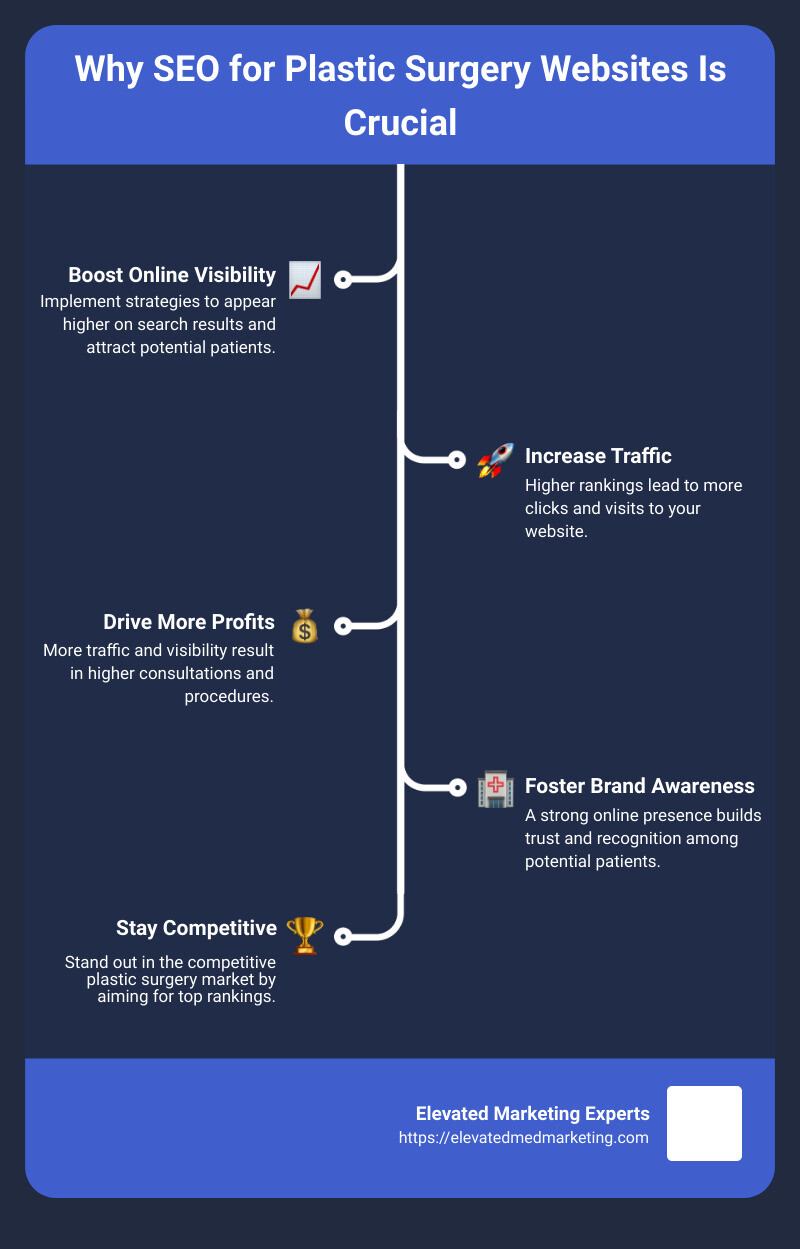
Websites SEO for plastic surgeons is an essential tool for boosting online presence and attracting more patients. For a quick takeaway:
- SEO improves your online visibility.
- Higher ranking leads to increased traffic.
- More visibility means more patients and profits.
In the competitive plastic surgery market, standing out is key. Effective SEO helps your website rank higher on search results, bringing your practice to the forefront of potential patients’ searches. This fosters brand awareness, trust, and ultimately leads to more consultations and procedures. According to Liftd Marketing Experts, the first result on Google gets 28.5% of clicks, making it crucial to aim for top rankings.
I’m Joe Amaral, a seasoned expert with a history in websites seo for plastic surgeons. My journey from a Navy serviceman to a digital marketing specialist has equipped me with the right blend of skills and experience to help you achieve your SEO goals.
What is Plastic Surgery SEO?
Plastic surgery SEO is the process of optimizing your plastic surgery website to rank higher in search engine results. When people search for plastic surgery services, you want your website to be one of the first they see. This increases your visibility and attracts more potential patients.
How Google Algorithms Work
Google uses complex algorithms to decide which websites appear at the top of search results. These algorithms consider hundreds of factors, but some key ones include:
- Relevance: How well your content matches the search query.
- Authority: The quality and quantity of backlinks to your site.
- User Experience: How easy and fast your website is to use.
Google updates its algorithms frequently. For example, in recent years, the focus has shifted to E-E-A-T (Experience, Expertise, Authoritativeness, Trustworthiness). This is especially important for plastic surgery websites because they fall under the “Your Money or Your Life” (YMYL) category, which means content must be accurate and trustworthy.
Website Optimization
Optimizing your website involves several key tasks:
Keyword Research
Identify the most popular search terms related to plastic surgery in your area. Tools like Google Keyword Planner can help. For example, terms like “rhinoplasty in Dallas” or “breast augmentation cost” are often searched.
On-Page SEO
This involves optimizing individual pages to rank higher. Key elements include:
Meta Descriptions: These are short snippets that describe the content of your page. They should be compelling and include relevant keywords.
Header Tags: Use H1, H2, and H3 tags to structure your content. This makes it easier for both users and search engines to understand.
Image Optimization: Use descriptive file names and alt text for images. This helps search engines understand what the images are about.
High-Quality Content
Your content should be informative, accurate, and engaging. According to Liftd Marketing Experts, quality trumps quantity. For example, a well-written blog post on “The Benefits of Liposuction” can attract and engage potential patients.
Technical SEO
Ensure your website is technically sound. This includes:
- Site Speed: A fast-loading website improves user experience and ranking.
- Mobile-Friendliness: With most searches happening on mobile devices, a mobile-friendly site is a must.
- Internal Linking: Use internal links to help users steer your site and find relevant content.
Case Study: Successful SEO for a Plastic Surgery Practice
One of our clients, a high-profile plastic surgeon, saw a significant increase in website traffic and patient inquiries after we optimized their site. We focused on keyword research, quality content, and technical SEO. As a result, their website started ranking higher for key search terms like “facelift in New York” and “best plastic surgeon in LA.”
By understanding Google algorithms and optimizing your website, you can improve your search rankings and attract more patients.
Why is SEO Important for Plastic Surgeons?
SEO is crucial for plastic surgeons for several reasons:
Drive Profits
Higher rankings in search engine results pages (SERPs) lead to increased visibility. This means more potential patients visiting your site, often resulting in more inquiries and appointments, which boosts your profits. For instance, optimizing your site for specific keywords can lead to a higher conversion rate and a noticeable increase in revenue.
Increase Visibility
SEO enhances your online visibility, generating more leads. When your website ranks at the top for the plastic or cosmetic surgery services you offer, it attracts more users within your target audience.
Improve Conversion Rates
A well-designed, accessible website with expertly crafted content optimizes the user experience and converts more visitors into patients.
Build Your Brand
Dominating search results not only creates more brand awareness but also builds your brand’s reputation. When you appear above competitors in search results, it reinforces your status as a reputable and leading choice in your market.
Top 10 SEO Strategies for Plastic Surgery Websites
Plastic surgery is a highly competitive field, and a robust online presence can significantly impact your practice. Here are the top 10 strategies to enhance your website’s SEO and attract more patients:
1. Optimize Your Website for SEO
Focus on content creation, using SEO-friendly terms, and ensuring fast load times.
2. Local SEO for Plastic Surgeons
Optimize for local searches by claiming your Google My Business listing, ensuring NAP consistency, and using local keywords.
3. Create a Killer Blog
Drive traffic and engage patients by writing about popular topics, conducting keyword research, and using internal linking.
4. Make Your Website Mobile-Friendly
Ensure your site is responsive and mobile-optimized, as a significant portion of searches occurs on mobile devices.
5. Leverage Social Media
Use platforms like Facebook and Instagram to generate backlinks and engage with your audience.
6. Use YouTube Videos
Create engaging video content to boost your SEO and provide valuable backlinks.
7. Conduct Professional Keyword Research
Use tools to find relevant, high-volume keywords to attract the right audience.
8. Regularly Update Your SEO Strategy
Stay current with keyword trends and seasonal changes to keep your strategy effective.
9. Improve Website Speed
Enhance user experience and SEO by optimizing your site’s speed.
10. Implement Effective Calls-to-Action
Use clear and compelling CTAs to guide visitors towards taking action, such as booking consultations or signing up for newsletters.
1. Optimize Your Website for SEO
Optimizing your plastic surgery website for SEO is crucial to attract potential patients and stand out from competitors. Here are some key strategies to focus on:
Content Creation
Creating high-quality, relevant content is the backbone of any successful SEO strategy. For plastic surgeons, this means producing content that answers common questions, educates potential patients, and showcases your expertise.
Educational Articles: Write blog posts and articles that explain various procedures, recovery times, and what patients can expect. For example, a blog titled “What to Expect During Rhinoplasty Recovery” can attract users searching for information.
Regular Updates: Google loves fresh content. Ensure your blog and website pages are regularly updated to keep information current and relevant.
Before-and-After Photos
Before-and-after photos are powerful tools for plastic surgeons. They provide visual proof of your expertise and can significantly impact a potential patient’s decision-making process.
Gallery Pages: Create dedicated gallery pages showcasing before-and-after photos of various procedures. Make sure these pages are optimized with relevant keywords like “before and after breast augmentation.”
Image Optimization: Use descriptive file names and alt text for all images. This helps search engines understand what the images are about and can improve your site’s SEO.
FAQs
Including a Frequently Asked Questions (FAQ) section on your website can address common concerns and improve user experience.
Common Questions: Answer questions like “What is the recovery time for a tummy tuck?” or “How much does rhinoplasty cost?” This can help you rank for these queries and keep visitors on your site longer.
Structured Data: Use structured data (schema markup) for your FAQ section. This can help your content appear in Google’s Answer Box, giving you higher visibility.
SEO-Friendly Terms
Using SEO-friendly terms throughout your website content is essential for ranking well in search engines.
Keyword Research: Identify the terms your potential patients are searching for. Tools like Google’s Keyword Planner can be helpful. For example, keywords like “best plastic surgeon in [city]” or “affordable liposuction near me” should be naturally integrated into your content.
Title Tags and Meta Descriptions: Optimize these elements with relevant keywords. They not only help with SEO but also improve click-through rates from search engine results pages (SERPs).
Internal Linking: Link to other relevant pages on your website. This helps search engines understand the structure of your site and keeps visitors engaged. For example, a blog post about “breast augmentation recovery” can link to your main “Breast Augmentation” service page.
By focusing on these key areas, you can significantly improve your websites seo for plastic surgeons, attract more visitors, and convert them into patients.

Next, we’ll explore the importance of local SEO and how it can help you attract patients from your community.
2. Local SEO for Plastic Surgeons
Google My Business
Claiming and optimizing your Google My Business (GMB) listing is essential for local SEO. This free tool allows you to manage how your practice appears on Google Search and Maps.
Make sure to fill out every section of your GMB profile, including:
- Business name
- Address
- Phone number (NAP)
- Business hours
- Services offered
- Photos of your practice
Pro Tip: Encourage satisfied patients to leave reviews on your GMB profile. Positive reviews not only build trust but also boost your local SEO rankings.
Local Keywords
Using local keywords in your website content is another crucial element. People usually search for services near them, so incorporating your city or region into your keywords can make a big difference. For example, instead of just “rhinoplasty,” use “rhinoplasty in San Diego.”
Here are some tips for using local keywords:
- Include them in your title tags and meta descriptions.
- Use them in your blog posts and service pages.
- Add them to your image file names and alt text.
Example: “Top Plastic Surgeon in Dallas” or “Best Facelift in Miami.”
Google Maps
Showing up on Google Maps can drive more traffic to your practice. When potential patients search for a plastic surgeon near them, you want your practice to appear in the top results.
How to Optimize for Google Maps:
NAP Consistency: Ensure that your Name, Address, and Phone number (NAP) are consistent across your website, GMB, and other online directories. Inaccurate NAP information can confuse Google and hurt your local rankings.
Embed a Google Map: Embed a Google Map of your location on your contact page. This not only helps with local SEO but also makes it easier for patients to find you.
NAP Consistency
NAP consistency is crucial for local SEO success. Google uses this information to verify your business location and contact details. Inconsistent NAP information can lead to lower rankings and confused potential patients.
Steps to Ensure NAP Consistency:
- Match the NAP details on your website exactly with those on your GMB profile.
- Check and update your NAP information on all online directories and review sites.
- Use schema markup to help search engines understand your NAP details.
Case Study: A plastic surgery practice in San Francisco saw a 30% increase in local search traffic after correcting NAP inconsistencies across multiple online directories.
By focusing on these local SEO strategies, you can improve your websites seo for plastic surgeons, attract more local patients, and improve your practice’s online presence.
Next, let’s dive into how creating a killer blog can boost your SEO and engage potential patients.
3. Create a Killer Blog
Blogging is a powerful tool for plastic surgeons to boost their websites seo for plastic surgeons and engage potential patients. Let’s explore how you can use content marketing, blog topics, keyword research, and internal linking to create a killer blog.
Content Marketing
Content marketing involves creating and sharing valuable content to attract and engage your target audience. For plastic surgeons, this can include blog posts, videos, and infographics that answer common patient questions and provide insights into various procedures.
Benefits of Blogging:
– Improves SEO: Regularly updated content signals to Google that your site is active.
– Builds Authority: Demonstrates your expertise in plastic surgery.
– Engages Patients: Provides valuable information that helps patients make informed decisions.
Blog Topics
Choosing the right blog topics is crucial. You want topics that are both interesting to your audience and relevant to your practice.
Popular Blog Topics:
– Procedure Overviews: “What to Expect During a Rhinoplasty”
– Patient Stories: “Jane’s Journey: From Consultation to Recovery”
– FAQs: “Does Insurance Cover Plastic Surgery?”
– Educational Posts: “How Does Plastic Surgery Work?”
Tip: Use geographical tags in your titles to target local searches, like “How Does Plastic Surgery Work in Florida?”
Keyword Research
Effective keyword research helps you understand what your potential patients are searching for. Use tools like Google Keyword Planner, SEMrush, and Ahrefs to find high-traffic, low-competition keywords.
Steps for Keyword Research:
1. Brainstorm: Start with a list of relevant terms.
2. Analyze Competitors: Use tools to see what keywords competitors are ranking for.
3. Use Tools: Google Ads Search Queries Reports and Google Search Console are very accurate.
Example: If many people are searching for “rhinoplasty surgeons,” you might write a blog post titled “Top Rhinoplasty Surgeons in [Your City]”.
Internal Linking
Internal linking helps guide visitors through your site and improves SEO by showing search engines the structure of your site.
Best Practices:
– Link to Relevant Pages: If you mention “breast augmentation,” link to your breast augmentation service page.
– Use Descriptive Anchor Text: Instead of “click here,” use “learn more about our breast augmentation services.”
– Create a Logical Structure: Make sure your blog posts link to relevant service pages and other related blog posts.
Example: A blog post about “The Benefits of Tummy Tucks” could link to your “Tummy Tuck Procedure Page” and another post about “Recovery Tips After a Tummy Tuck.”
By focusing on content marketing, choosing engaging blog topics, performing effective keyword research, and using strategic internal linking, you can create a killer blog that boosts your websites seo for plastic surgeons and attracts more patients.
Next, let’s discuss the importance of making your website mobile-friendly.
4. Make Your Website Mobile-Friendly
Mobile optimization is crucial for plastic surgery websites. Nearly 60% of all internet searches happen on mobile devices. If your website isn’t optimized for mobile, you’re missing out on a huge audience.
Why Mobile Optimization Matters
Google ranks mobile-friendly sites higher. This means if your site isn’t optimized for mobile, you’re likely to rank lower in search engine results. Google’s algorithm prioritizes websites that offer a seamless mobile experience.
User experience (UX) is another key factor. People are impatient. If your site loads slowly or looks bad on a phone, they’ll leave. This increases your bounce rate and hurts your SEO.
Steps to Optimize for Mobile
Responsive Design: Ensure your website looks good on all devices. A responsive design automatically adjusts to the screen size, whether it’s a phone, tablet, or desktop.
Fast Load Times: Speed is crucial. Use tools like Lighthouse to test your site speed. If it’s slow, consider using Google’s Accelerated Mobile Pages (AMP) to boost performance.
Simple Navigation: Make it easy for users to find what they need. Use clear menus and buttons. Ensure that important information, like contact details and service pages, are easily accessible.
Readable Text: Ensure your text is large enough to read without zooming. Avoid small fonts and make sure there’s enough contrast between the text and background.
Real-World Example
A plastic surgery clinic in Atlanta saw a 30% increase in consultations after optimizing their site for mobile. They used a responsive design, improved their site speed, and simplified navigation. This not only improved their user experience but also boosted their websites seo for plastic surgeons.
Google Ranking Factors
Google’s Core Web Vitals are crucial for mobile optimization. These include:
- Largest Contentful Paint (LCP): How long it takes for the main content to load.
- Cumulative Layout Shift (CLS): How often elements on the page move around.
- First Contentful Paint (FCP): How long until the first elements are visible.
You can measure these using tools like Google PageSpeed Insights.
By focusing on mobile optimization, you can improve your websites seo for plastic surgeons and provide a better user experience.
Next, let’s discuss the importance of leveraging social media.
5. Leverage Social Media
Having a strong social media presence is crucial for plastic surgeons. Platforms like Facebook and Instagram are goldmines for showcasing your work and connecting with potential patients.
Social Media Presence
Your business is all about visuals. Patients want to see real results, and there’s no better way to show them than through social media. Regularly post before-and-after photos, patient testimonials, and behind-the-scenes content.
Tip: Use high-quality images and videos. They attract more engagement and look professional.
Backlinks
Social media also helps with SEO by providing valuable backlinks to your website. Every time you share a link to your blog or service page, you create a potential pathway for new visitors.
Fact: Google values high-quality backlinks. The more you have from reputable sites, the better your site will rank.
Facebook is ideal for building a community. Create a business page and keep it active with regular posts, updates, and interactions. Share educational content about procedures, patient stories, and special offers.
Case Study: Dr. Jane’s Plastic Surgery Clinic saw a 30% increase in consultations after running a targeted Facebook campaign showcasing patient success stories.
Instagram is perfect for plastic surgeons because it’s a visual platform. Use it to post before-and-after photos, short video clips of procedures, and patient testimonials. Use relevant hashtags to increase your reach.
Tip: Use Instagram Stories to share daily updates and engage with your audience through polls and Q&A sessions.
By leveraging social media, you can improve your websites seo for plastic surgeons and attract more patients. Now, let’s move on to the next strategy: utilizing YouTube videos.
6. Use YouTube Videos
Video Content
Creating video content is a game-changer for plastic surgeons. Videos can explain procedures, showcase success stories, and provide educational content. This helps build trust and credibility with potential patients.
For example, a facial plastic surgeon can create a video explaining the rhinoplasty process. This not only educates viewers but also shows your expertise.
Backlinks
Every YouTube video should include a link back to your website in the description. This creates backlinks, which are crucial for improving your website’s SEO. More high-quality backlinks signal to search engines that your site is a reliable source of information.
Example: “Check out our website for more details on rhinoplasty: www.yourwebsite.com/rhinoplasty.”
Google Ownership
Google owns YouTube, so videos on YouTube get a slight SEO boost. When people search for plastic surgery-related terms, your videos can appear at the top of search results. This increases your visibility and attracts more potential patients.
Fact: According to research, having videos on YouTube can give a little bump in Google’s SEO algorithm.
Video SEO
To optimize your videos, use relevant keywords in the title, description, and tags. This helps search engines understand what your video is about and rank it higher in search results.
Steps to Optimize Your Video:
1. Title: Use keywords like “Breast Augmentation Explained” or “Facelift Procedure Steps.”
2. Description: Write a detailed description including keywords and a link to your website.
3. Tags: Use relevant tags like “plastic surgery,” “breast augmentation,” and “facelift.”
By utilizing YouTube videos, you can significantly improve your websites seo for plastic surgeons. Next, we’ll explore the importance of conducting professional keyword research.
7. Conduct Professional Keyword Research
Keyword research is the cornerstone of any effective SEO strategy, especially for plastic surgery websites. It helps you understand what your potential patients are searching for and how to get in front of them. Here’s how to do it right:
Use Keyword Tools
Start with tools like Google Keyword Planner, Ahrefs, and SEMrush. These tools can help you find high-volume, low-competition keywords relevant to your practice.
For instance, Google Keyword Planner can show you how many people are searching for terms like “best rhinoplasty surgeon” or “tummy tuck before and after.”
Analyze Search Volume
Search volume tells you how many people are searching for a particular keyword each month. Higher search volumes often mean more competition, so balance is key.
For example, “tummy tuck before and after” has around 60,500 monthly searches. This means it’s a popular term and worth targeting, but be prepared for competition.
Understand Your Target Audience
Knowing your audience is crucial. Are they young professionals looking for minor improvements, or older adults seeking more significant procedures?
Consider the pain points and questions your potential patients might have. Keywords like “affordable facelift” or “rhinoplasty recovery tips” can help you address their specific needs.
Conduct Competitive Analysis
Use tools like Ahrefs to see what keywords your competitors are ranking for. This can give you insights into what works and identify gaps you can exploit.
For example, if a competitor ranks well for “best plastic surgeon in Miami,” but their content is outdated, you have an opportunity to create better, more current content.
Steps for Competitive Analysis:
1. Enter Competitor’s URL into Ahrefs: Go to the Site Explorer tool.
2. Check Organic Keywords Report: See what keywords they rank for.
3. Identify Gaps: Find keywords they rank for that you don’t.
Long-Tail Keywords
Long-tail keywords are longer, more specific phrases. They often have lower search volumes but higher conversion rates because they are more targeted.
For example, “best plastic surgeon in Miami for rhinoplasty” is more specific than just “plastic surgeon” and can attract more qualified leads.
Continually Update Your Strategy
Keyword trends change, so your strategy should too. Regularly revisit your keyword research to stay ahead.
Tools for Ongoing Research:
– Google Search Console: Provides data on how your site is performing.
– Google Trends: Shows how search terms trend over time.
By conducting thorough keyword research, you can significantly improve your websites seo for plastic surgeons. Next, let’s discuss the importance of regularly updating your SEO strategy.
8. Regularly Update Your SEO Strategy
Keeping your SEO strategy fresh is crucial for maintaining your online presence. Trends change, and so should your approach. Here are three key areas to focus on:
Keyword Trends
Keywords that worked last year might not work today. Google Trends can help you see how search terms evolve over time. For example, searches for “nose job near me” might spike during certain seasons.
Tools to Use:
– Google Search Console: Monitors your site’s performance and highlights which keywords bring traffic.
– SEMrush: Offers competitive analysis to see what keywords your competitors are using.
Seasonal Changes
Plastic surgery services often see seasonal fluctuations. For example, more people might search for “liposuction” in the spring as they prepare for summer. Adjust your content to match these trends.
Action Steps:
1. Identify Peak Seasons: Track when specific procedures are most in demand.
2. Create Relevant Content: Publish blog posts or update service pages to align with these peaks.
Content Updates
Google loves fresh content. Regular updates signal that your site is current and relevant. This can improve your rankings.
Content Ideas:
– Blog Posts: Write about new techniques or trends in plastic surgery.
– Before-and-After Galleries: Update these regularly to show recent work.
– FAQs: Add new questions based on patient inquiries.
By regularly updating your SEO strategy, you’ll keep your website relevant and maintain high search engine rankings. Next, we’ll explore how improving website speed can improve user experience and SEO.
9. Improve Website Speed
Page Load Time
Page load time is crucial. Patients are impatient. If your site takes too long to load, they will leave.
User Experience
A fast website improves user experience. Prospective patients will find what they need quickly and will be more likely to stay. This can lead to higher conversion rates. A case study showed that improving site speed increased organic traffic by 30% and reduced the bounce rate by 15%.
Technical SEO
Technical SEO involves optimizing the backend of your website. Here are some key strategies:
- Optimize Images: Compress images to reduce load time without losing quality.
- Minimize HTTP Requests: Reduce the number of elements on your page to decrease load time.
- Enable Compression: Use tools to compress CSS, HTML, and JavaScript files.
- Leverage Browser Caching: Store data temporarily to make your site load faster for returning visitors.
- Improve Server Response Time: Identify and fix performance bottlenecks like slow database queries.
Using tools like Lighthouse can help you identify and fix these issues. If it seems too technical, a plastic surgeon SEO expert can assist.
Next, we’ll discuss how to implement effective calls-to-action to convert visitors into patients.
10. Implement Effective Calls-to-Action
Effective calls-to-action (CTAs) are crucial for conversion optimization on your plastic surgery website. They guide visitors towards taking the next step, whether it’s booking a consultation, downloading a guide, or signing up for a newsletter. Here’s how to do it right:
Make CTAs Clear and Compelling
A CTA should be straightforward and enticing. Use direct language like “Book Your Consultation Now” or “Download Your Free Guide.” Ensure the benefit is clear. For example, “Get Your Free Consultation Today and Start Your Change!”
Place CTAs Strategically
Position your CTAs where visitors are most likely to see them. Effective spots include:
- At the end of service descriptions: After detailing a procedure, prompt them to book a consultation.
- On landing pages: Especially those optimized for specific services or locations.
- In blog posts: Encourage readers to download a related guide or contact you for more information.
Use Visually Striking Design
CTAs should stand out. Use contrasting colors and bold fonts. Make sure they are buttons or forms that are easy to click, especially on mobile devices.
Capture Email Addresses for Lead Generation
Email capture is a powerful tool for lead generation. Offer something valuable in exchange for an email address. This could be a free guide, a discount on the first consultation, or access to exclusive content. For instance, a “10-Step Skincare Guide from Our Top Surgeon” can be a big hit.
Use Lead Magnets
Lead magnets are incentives that encourage visitors to provide their email addresses. Examples include:
- Free Guides: “Preparing for Your Cosmetic Surgery”
- Checklists: “Choosing the Right Plastic Surgeon”
- Exclusive Discounts: “10% Off Your First Procedure”
These lead magnets not only capture emails but also provide value, building trust and keeping potential patients engaged.
Follow Up with Email Marketing
Once you have their email, keep the communication going. Send regular newsletters, updates on new services, or educational content. This keeps your practice top-of-mind and nurtures leads until they are ready to book a procedure.
Track and Optimize
Use tools like Google Analytics to track the performance of your CTAs. Monitor metrics such as click-through rates and conversion rates. Adjust your CTAs based on what works best. For example, if a “Book Now” button performs better than a “Learn More” link, prioritize that in your strategy.
Effective CTAs are not just about driving actions; they are about creating a seamless path from interest to conversion. By implementing these strategies, you can turn website visitors into paying customers, boosting your practice’s growth.
Next, we’ll explore on-page optimization techniques to improve your plastic surgery website’s performance.
On-Page Optimization for Plastic Surgery Websites
On-page optimization is crucial for improving your plastic surgery website’s visibility on search engines. Let’s dive into some key strategies: HTML tags, meta descriptions, internal links, and site architecture.
HTML Tags
HTML tags help search engines understand the structure and content of your website. The H1 tag is the main heading of a page and should include your primary keyword. For example, “Top Plastic Surgeon in [Your City]” could be an effective H1 tag.
Subheadings (H2, H3, etc.) also play a role. Use them to break up content and include secondary keywords. This not only helps with SEO but also improves readability.
Meta Descriptions
Meta descriptions are short snippets that describe the content of a web page. They appear under the page title in search engine results.
A compelling meta description can increase your click-through rate. Keep it concise (under 160 characters) and include relevant keywords. For instance, “Expert plastic surgery services in [Your City]. Book a consultation today!” is clear and actionable.
Internal Links
Internal linking involves linking to other pages within your website. This helps users steer your site and improves SEO by distributing page authority.
For example, if you have a blog post about “Breast Augmentation Recovery Tips,” link to your main “Breast Augmentation Services” page. This keeps visitors engaged and guides them toward booking a consultation.
Site Architecture
Site architecture refers to how your website is structured. A well-organized site makes it easier for search engines to crawl and index your pages.
Use a simple, clean URL structure. For example, “yoursite.com/services/breast-augmentation” is better than “yoursite.com/page?id=123”.
Include a clear navigation menu and breadcrumb trails to help users and search engines understand the hierarchy of your site.
Quick Tips for On-Page Optimization
- Use descriptive file names and ALT text for images. This improves accessibility and SEO.
- Keep content updated. Regularly refresh your site with new blog posts, testimonials, and before-and-after photos.
- Ensure mobile-friendliness. With many users accessing sites via mobile, a responsive design is essential.
By implementing these on-page optimization techniques, you can improve your plastic surgery website’s performance, making it more attractive to both search engines and potential patients.
Next, we’ll discuss effective link-building strategies to boost your site’s authority.
Link Building Strategies
Building high-quality backlinks is essential for boosting your plastic surgery website’s authority and improving its search engine rankings. Here are some effective strategies:
High-Quality Backlinks
Quality over quantity is key. A single backlink from a reputable source can be more valuable than several from low-quality sites. For example, getting a link from a trusted medical journal or a popular health website can significantly improve your SEO.
Case Study: Dr. Karen Horton, a well-known plastic surgeon, has been featured in numerous reputable publications like the American Cancer Society. These high-quality backlinks have helped her website rank higher on Google.
Guest Posts
Writing guest posts for other reputable websites is another effective way to build backlinks. By contributing high-quality content, you can include a link back to your site, typically in the author bio.
Example: Many plastic surgeons write articles for health and beauty blogs. In exchange, they get a backlink to their own site, boosting their SEO.
Tip: Always ask if the link will be a follow link. Follow links pass on SEO value, while no-follow links do not.
Directory Listings
Listing your practice in reputable online directories can also help. Ensure your NAP (Name, Address, Phone Number) is consistent across all listings to improve local SEO.
Example: Websites like Healthgrades and RealSelf are excellent platforms for plastic surgeons. These directories not only provide backlinks but also increase your visibility to potential patients.
Social Media
Leveraging social media platforms like Facebook, Instagram, and YouTube can generate backlinks and drive traffic to your site. Share your blog posts, before-and-after photos, and patient testimonials.
Tip: Use Google Posts to share updates. While these may not directly improve rankings, they can attract more clicks and engagement.
Quote: “Sharing your work on social media can be one of the best forms of advertising,” says Intrepy Healthcare Marketing.
By implementing these link-building strategies, you can significantly improve your plastic surgery website’s authority and visibility.
Next, we’ll dive into frequently asked questions about SEO for plastic surgeons.
Frequently Asked Questions about SEO for Plastic Surgeons
What is SEO in plastic surgery?
SEO (Search Engine Optimization) in plastic surgery is about making sure your website appears at the top of search results when people look for plastic surgery services. This involves keyword research, website optimization, and creating informative content.
For example, if someone searches for “best plastic surgeon in Miami,” you want your website to be one of the first they see. This is achieved by using relevant keywords, optimizing your site’s structure, and ensuring your content is helpful and engaging.
How do plastic surgeons get clients?
Plastic surgeons get clients through a mix of online and offline strategies.
Social Media: Platforms like Instagram and Facebook are great for sharing before-and-after photos, patient testimonials, and informative videos. This helps build trust and attract new patients.
Patient Testimonials: Real stories from satisfied patients can convince potential clients to choose your practice. Make sure these are easily accessible on your website.
Informative Content: Blogs, FAQs, and detailed service pages help answer potential patients’ questions and improve your site’s SEO.
Interactive Website: A user-friendly and engaging website makes it easier for visitors to find information and book consultations.
How do you market a plastic surgery practice?
Marketing a plastic surgery practice involves understanding your target audience and using a variety of digital marketing strategies.
Google Ads: Paid ads can get your practice in front of people who are actively searching for plastic surgery services.
Video Ads: Platforms like YouTube are excellent for showcasing your expertise and services. Video content can also improve your website’s SEO.
Keyword Research: Identify what terms potential patients use to find services like yours. Incorporate these keywords naturally into your website content.
DIY SEO: While hiring an expert is often best, some basic SEO tasks can be done in-house. This includes optimizing meta descriptions, using alt text for images, and ensuring your website is mobile-friendly.
By using these strategies, you can effectively market your plastic surgery practice and attract more clients.
Next, we’ll explore the essential on-page optimization techniques for plastic surgery websites.
Conclusion
At Elevated Marketing Experts, we understand the unique challenges and opportunities in the plastic surgery field. Our comprehensive SEO strategy is designed to address these needs, helping your practice stand out in a competitive market.
Why Choose Elevated Marketing Experts?
We offer a custom approach that combines industry expertise with cutting-edge SEO techniques. Our team is dedicated to ensuring your website ranks highly on search engines, attracts more potential patients, and converts visitors into clients.
Our Comprehensive SEO Strategy Includes:
Website Optimization: From keyword research to content creation, we ensure your website is fully optimized for search engines. This includes using SEO-friendly terms, optimizing images, and improving site architecture.
Local SEO: We help you claim and optimize your Google My Business profile, ensuring your practice appears in local searches. This includes using local keywords and maintaining NAP (Name, Address, Phone number) consistency.
Content Marketing: Our team creates engaging and informative blog posts, articles, and other content that appeals to both users and search engines. This helps build your brand and establish your practice as an authority in the field.
Mobile Optimization: With more users accessing websites on mobile devices, we ensure your site is mobile-friendly and offers a great user experience.
Video SEO: We leverage platforms like YouTube to create and optimize video content, driving more traffic to your site and improving your search rankings.
Regular Updates: SEO is not a one-time task. We regularly update your strategy based on keyword trends, seasonal changes, and new content to keep your website performing at its best.
Technical SEO: From improving site speed to using proper HTML tags, we handle the technical aspects of SEO to ensure your site runs smoothly and ranks well.
By partnering with us, you get a dedicated team committed to your success. We use data-driven strategies to monitor and improve your SEO efforts continuously.
Ready to take your practice to the next level? Contact us today for a free one-hour consultation and let’s start boosting your online presence together.
For more insights and tips on SEO for plastic surgeons, check out our blog and our SEO services page.


