

Spa SEO: Top 5 Vital Tips for Success 2025
Spa SEO is crucial for any spa or wellness business that wants to thrive online. Getting your spa noticed in the digital space involves more than just offering great services; it’s about ensuring that your website is easily findable by potential clients.
Here’s a quick look at how you can improve your spa’s online presence:
- Optimize for search engines to get your spa on the first page of Google.
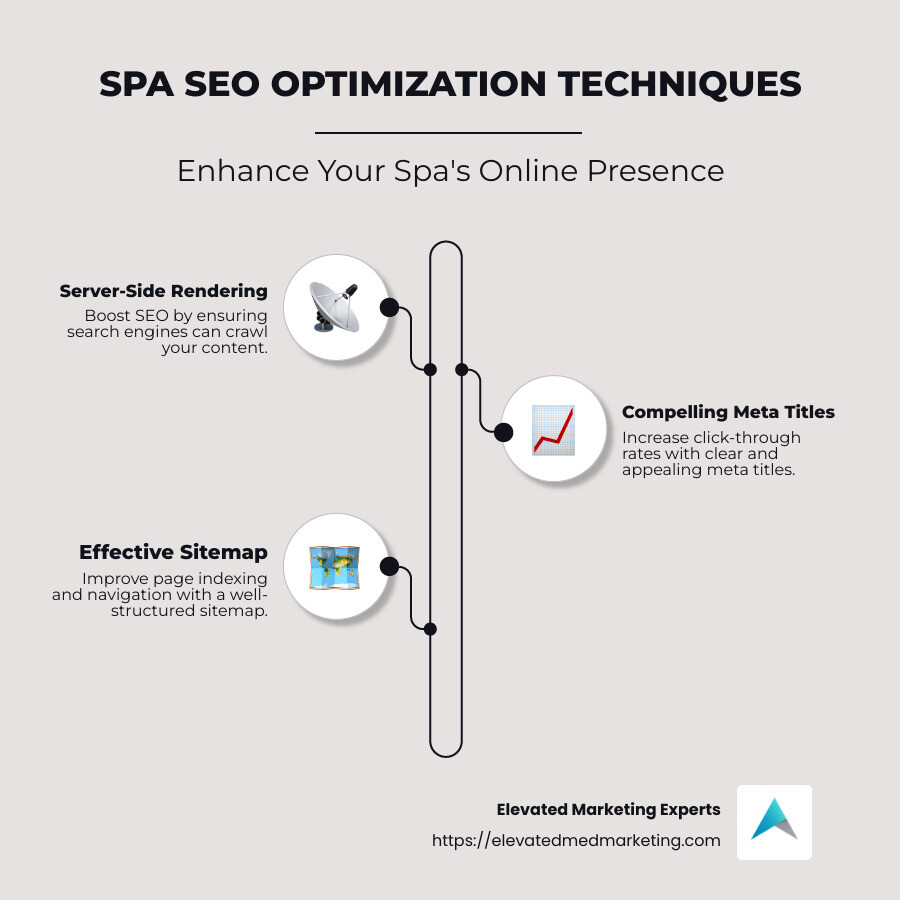
- Use server-side rendering or pre-rendering for single-page applications to ensure search engines can easily crawl your content.
- Use clear and compelling meta titles and descriptions to improve click-through rates.
- Implement an effective sitemap for better page indexing.
Single-page applications, or SPAs, have revolutionized how websites function, offering smoother and faster user experiences. However, they present unique challenges for SEO because of their reliance on JavaScript for rendering content.
I’m Joe Amaral, a digital marketing entrepreneur with a passion for spa seo. With years of experience in the industry, I’ve guided businesses from obscurity to top rankings, helping them attract more clients and grow their online presence. We’ll explore effective strategies to optimize your spa’s SEO using the latest tools and techniques.
Spa seo terms you need:
– medical spa seo experts
– seo for medical spas
Understanding SPA and Its Impact on SEO
Single-Page Applications (SPAs) have transformed the way websites interact with users. Unlike traditional websites that reload pages entirely, SPAs load a single HTML page and use JavaScript to dynamically update content. This results in a seamless, app-like experience that users love.
How SPAs Work
SPAs operate by using AJAX (Asynchronous JavaScript and XML) to fetch data from the server without requiring a full page reload. This means faster transitions and a smoother browsing experience. When a user steers through a SPA, the browser updates only the necessary parts of the page, reducing load times and improving user engagement.
The Role of JavaScript Frameworks
JavaScript frameworks like React, Vue.js, and Angular are the backbone of most SPAs. They provide the tools and structure needed to build these dynamic applications. While these frameworks offer great flexibility and speed, they also introduce challenges for SEO.
SEO Challenges with SPAs
The primary challenge with SPAs is that search engines often struggle to index JavaScript-heavy content. By default, a SPA might serve an almost empty HTML container to search engines, which can result in poor indexing and ranking.

Google is the most advanced search engine when it comes to rendering JavaScript, but even it can have difficulties with SPAs. Other search engines might not be able to index the content at all if it’s not properly optimized.
Overcoming SEO Challenges
To ensure your SPA is SEO-friendly, consider these strategies:
Server-Side Rendering (SSR): This involves rendering the initial HTML page on the server, ensuring that search engines receive a fully populated page to index.
Pre-Rendering: Tools like Prerender.io can generate static HTML snapshots of your pages, making them more accessible to search engines.
Isomorphic JavaScript: This approach allows JavaScript to run both on the server and client-side, providing a smoother experience for both users and search engines.
By understanding the intricacies of SPAs and implementing these strategies, you can make your spa’s website both user-friendly and SEO-optimized. In the next section, we’ll dive into specific techniques to further improve your spa seo efforts.
How to Optimize Your Spa’s SEO
Optimizing your spa seo involves several key strategies. Let’s explore the most effective techniques to ensure your spa’s website is both user-friendly and search-engine optimized.
Server-Side Rendering (SSR)
Server-Side Rendering (SSR) is a powerful tool in your SEO toolkit. It involves rendering your web pages on the server rather than in the browser. This means search engines receive a fully formed HTML page, which is easier to index.
Benefits: SSR can significantly improve your site’s load times and make your content more accessible to search engines. This leads to better rankings and more organic traffic.
Implementation: Frameworks like Next.js for React or Nuxt.js for Vue can simplify the process of adding SSR to your spa.
Pre-Rendering
Pre-rendering is another effective strategy. It involves creating static HTML versions of your pages in advance. When search engines crawl your site, they see these pre-rendered pages instead of having to execute complex JavaScript.
Tools: Services like Prerender.io and BromBone can help generate these static snapshots, ensuring your content is visible to search engines.
Advantages: Pre-rendering can be easier to implement than SSR and still provides a significant SEO boost.
Meta & Title Optimization
Even with advanced rendering techniques, traditional SEO elements remain crucial. Meta tags and title tags help search engines understand your content.
Title Tags: Ensure each page has a unique title tag that includes your main keyword. Keep it concise and under 70 characters.
Meta Descriptions: Write compelling meta descriptions that include your main keywords and encourage clicks from the search results.
Social Tags: Implement Open Graph and Twitter Cards to improve how your content appears on social media.
Sitemap Usage
A sitemap is like a roadmap for search engines. It tells them which pages to crawl and index.
Create a Sitemap: Use tools like XML-sitemaps.com to generate a sitemap for your spa’s website.
Submit to Search Engines: Once created, submit your sitemap to Google Search Console and Bing Webmaster Tools to ensure all your pages are finded and indexed.
By implementing these strategies, your spa’s website will be well-positioned to attract and retain organic traffic. In the next section, we’ll explore how to make single-page applications even more SEO-friendly.
SPA SEO: Making Single Page Applications SEO-Friendly
When it comes to SPA SEO, making single-page applications (SPAs) friendlier for search engines involves a few key techniques. Let’s explore these methods, which can help ensure your spa’s website stands out in search results.
PushState SEO
PushState is a feature of HTML5’s History API. It allows you to change the URL in the browser without reloading the page. This is crucial for SPAs, where content changes without full page reloads.
How It Works: By using
history.pushState(), you can update the URL to reflect the new content being displayed. This helps search engines recognize different sections of your SPA as separate pages.Benefit: It improves crawlability and indexing by search engines like Google, which can then treat these distinct URLs as separate entities.
Example:
javascript
 var stateObject = { some_data: "useful value" };
 history.pushState(stateObject, "new-page", "new-page.html");
This code updates the URL to show “new-page.html” without reloading the page.
Isomorphic JavaScript
Isomorphic JavaScript (also known as Universal JavaScript) is a technique where JavaScript runs on both the server and the client. This dual functionality allows for server-side rendering of pages that can then be improved on the client side.
Frameworks: Tools like Next.js for React and Nuxt.js for Vue make implementing isomorphic JavaScript easier. They allow your SPA to deliver fully rendered HTML to search engines.
SEO Advantage: This approach ensures that search engines can easily index your content, as they receive a complete HTML page without relying on JavaScript execution.
HTML Copies
Creating HTML copies involves generating static versions of your SPA’s pages. This is particularly useful for search engines that struggle with JavaScript-heavy content.
Method: Use tools like Prerender.io to generate these static snapshots. When a search bot visits your site, it sees these pre-rendered HTML pages.
Use Case: HTML copies can be especially helpful for non-Google search engines that may not fully render JavaScript.
By leveraging these techniques, your SPA can achieve better visibility and indexing on search engines. In the next section, we’ll discuss the tools and techniques that can further improve your spa’s online presence.
Tools and Techniques for Effective Spa SEO
Optimizing a spa’s online presence, especially when dealing with single-page applications (SPAs), requires the right set of tools and techniques. Let’s explore some essential tools that can help improve your spa SEO efforts.
Google Analytics
Google Analytics is a powerful tool for tracking user behavior on your website. For SPAs, understanding how users interact with different parts of your site is crucial.
Improved Measurement: Ensure this feature is enabled to automatically track page views and interactions without additional tagging. This is vital for SPAs, as content changes dynamically without full page reloads.
Custom Events: Set up custom events to track specific interactions, like button clicks or form submissions, which are common in SPAs.
Google Tag Manager
Google Tag Manager simplifies the process of managing and deploying marketing tags (like Google Analytics) on your website.
Preview and Debug Mode: Use this feature to test your tags in real-time. This helps ensure that all events are tracked correctly, which is critical for SPAs where content updates dynamically.
History Change Trigger: Implement this trigger to track changes in the browser’s history API. It allows you to capture page view events as users steer through your SPA without reloading the page.
History API
The History API is a game-changer for SPAs, allowing for seamless navigation and URL management without full page reloads.
pushState and replaceState: These methods let you update the URL and browser history, reflecting the current state of the application. This is crucial for SEO, as it enables search engines to index different states of your SPA as unique pages.
Benefits: By using the History API effectively, you can improve the crawlability and indexing of your SPA, ensuring that search engines recognize and rank your content appropriately.
Implementing these tools and techniques can significantly improve your spa’s SEO, making it easier for potential clients to find you online. Up next, we’ll answer some frequently asked questions about spa SEO to address common concerns and misconceptions.
Frequently Asked Questions about Spa SEO
What is SPA in SEO?
A Single-Page Application (SPA) is a web application that loads a single HTML page and dynamically updates content as the user interacts with the app. This means users experience smooth, fast transitions much like a native app, without full page reloads.
SPAs are popular because they improve user experience and engagement, particularly for businesses like spas that want to offer a seamless online booking process. However, this dynamic interaction poses challenges for SEO, as traditional search engines find it harder to crawl and index content that isn’t loaded upfront.
How to improve SEO on SPA?
To improve SEO for SPAs, consider using techniques such as server-side rendering (SSR) and pre-rendering.
Server-Side Rendering (SSR): This involves rendering the initial HTML content on the server before sending it to the client. It ensures that the content is readily available for search engine bots to crawl, improving findability and indexing.
Pre-rendering: This technique involves generating static HTML versions of your pages in advance. Tools like Prerender or BromBone can help serve these static pages to search engines, while users still enjoy the dynamic experience.
Both methods help bridge the gap between dynamic content and search engine requirements, making your SPA more SEO-friendly.
Is client-side rendering bad for SEO?
Client-side rendering can be tough for SEO because search engines may struggle to execute JavaScript and see the content as users do. This means that important content might not get indexed, impacting your search rankings.
However, it’s not all bad. With the right strategies, like using isomorphic JavaScript (which can run on both the client and server), you can mitigate these issues. Isomorphic apps allow the server to render HTML initially, making it easier for search engines to understand your site, while still providing a rich, interactive experience for users.
By addressing these SEO challenges and implementing the right techniques, your spa website can achieve better visibility and attract more clients. Up next, we’ll conclude with insights from Liftd Marketing Experts on industry expertise and digital marketing solutions.
Conclusion
At Liftd Marketing Experts, we understand the unique challenges that spas face in the digital landscape. Our industry expertise makes us a trusted partner for spas looking to improve their online presence through effective digital marketing solutions.
Why Choose Us?
Our approach is rooted in a deep understanding of the aesthetic and wellness industry. We specialize in crafting custom strategies that address the specific needs of spas, ensuring they shine online. Our services include:
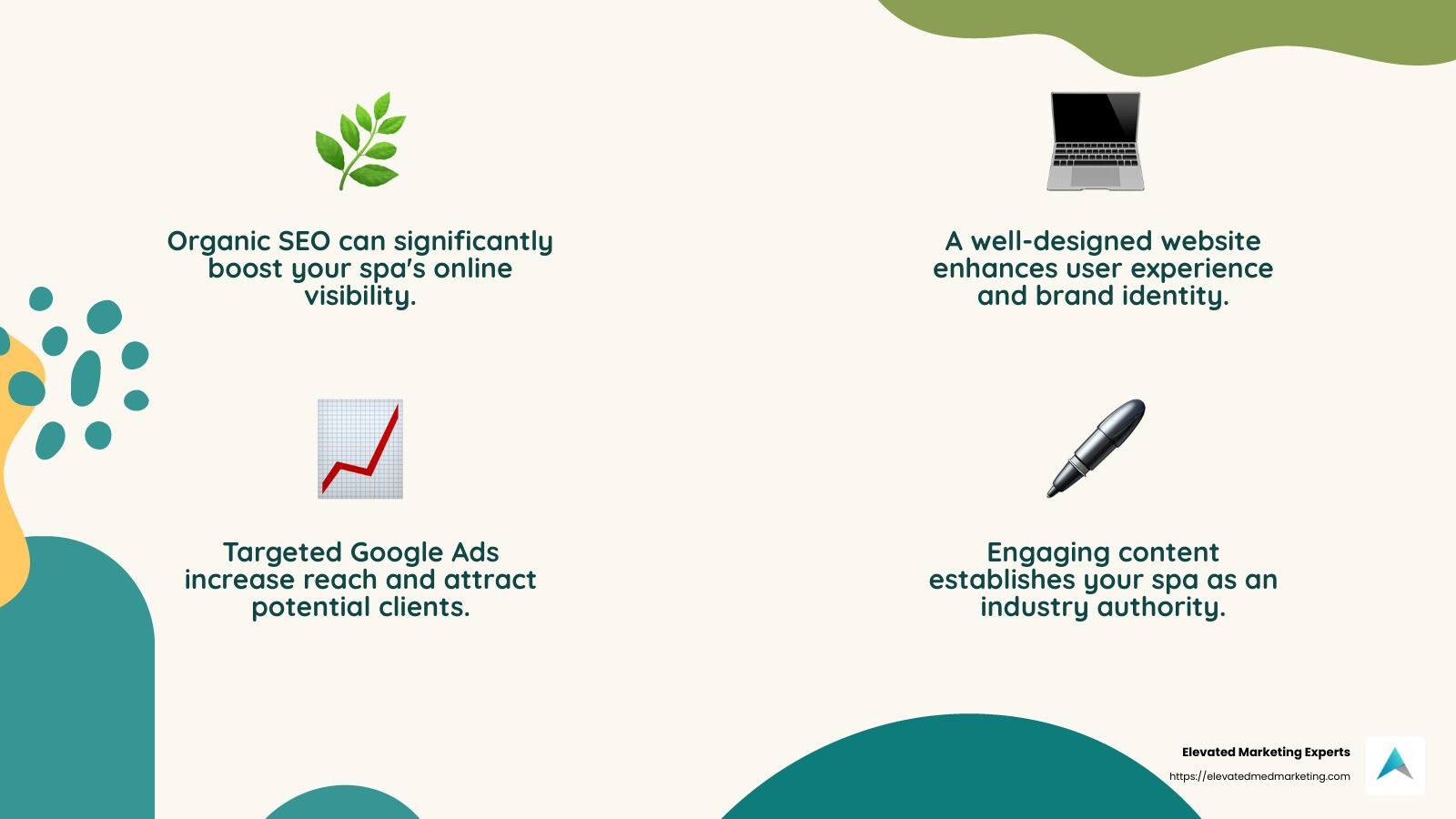
- Organic SEO: We optimize your spa’s website to improve search engine rankings, driving more organic traffic.
- Website Design: Our team creates user-friendly, visually appealing websites that reflect your brand’s identity and facilitate easy navigation.
- Google Ads Management: We manage targeted ad campaigns to increase your reach and attract potential clients.
- Content Creation: Our content strategies are designed to engage your audience and establish your spa as an authority in the industry.
Our Proven Results
Our case studies demonstrate our success in boosting the online visibility of spas and aesthetic practices. By focusing on data-driven strategies and continuous optimization, we help our clients achieve long-term SEO benefits.
Get Started
Liftd Marketing Experts is committed to helping your spa achieve its full potential online. We offer comprehensive digital marketing services custom to your unique needs. To learn more about how we can help your spa thrive, visit our Med Spa Digital Marketing page.
By partnering with us, you gain access to a team that is passionate about your success. Let’s work together to ensure your spa not only stands out but excels in the digital world.


