

Responsive website design for plastic surgeons: Top 5 Secrets
Responsive website design for plastic surgeons is the cornerstone of a thriving online presence in today’s digital age. For a plastic surgeon or medical spa owner, your website isn’t just a digital storefront; it’s a vital part of your marketing strategy and the first impression many potential patients have of your practice. With so many seeking privacy in their cosmetic journey, your online presence must offer a seamless, mobile-friendly experience that embodies professionalism and expertise.
Here’s a quick breakdown of what responsive website design means for plastic surgeons:
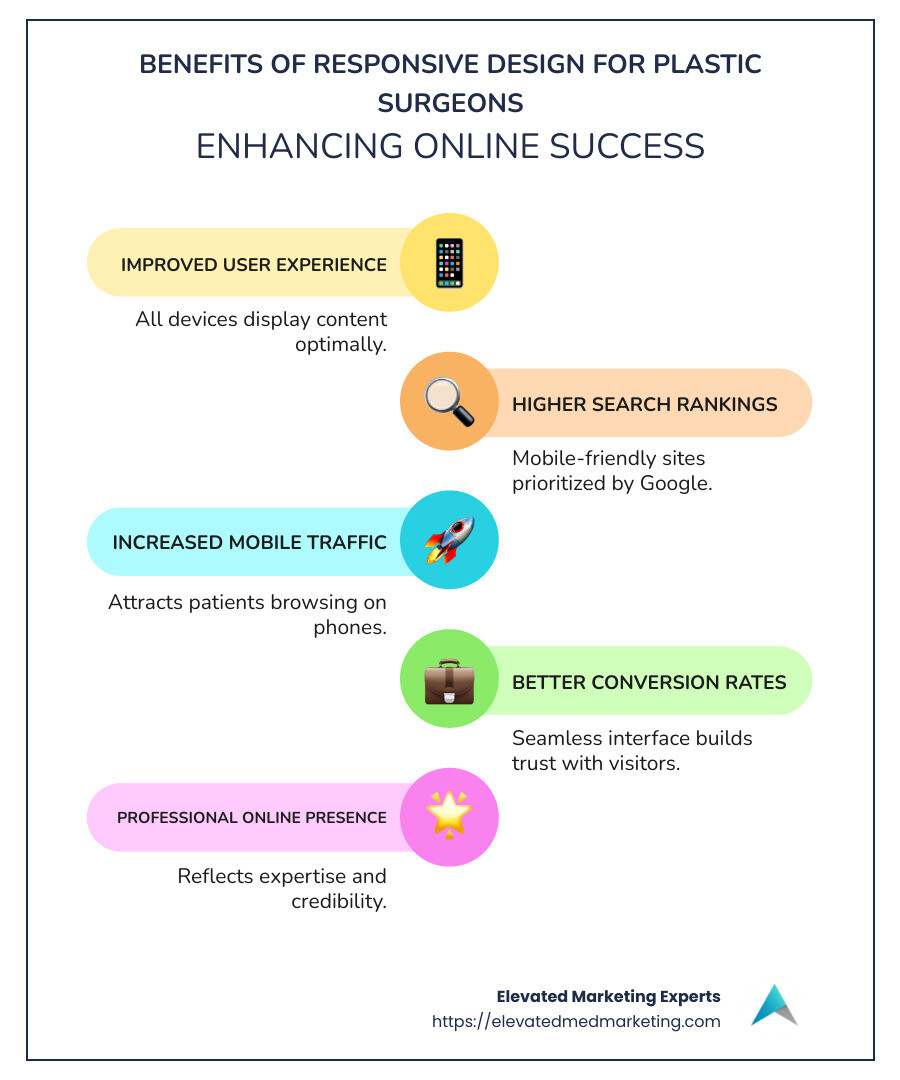
- Ensures your website looks great and functions well on all devices, whether a desktop, tablet, or smartphone.
- Improves user experience by adjusting content layout based on screen size, making navigation intuitive and enjoyable.
- Boosts search engine rankings, as Google prioritizes mobile-friendly sites, increasing your online visibility.
- Converts more visitors into patients by providing a trustworthy, convenient online interface.
I’m Joe Amaral. As someone who has transitioned from a successful career in sales and management to digital marketing, I’ve seen how responsive website design for plastic surgeons can lift a practice’s online success. Let’s explore this further as we dig into its importance.
Importance of Responsive Web Design for Plastic Surgeons
In plastic surgery, responsive website design isn’t just a luxury—it’s an absolute necessity. Why? Because your website is often the first touchpoint for potential patients. It’s where they form their first impression of your practice.
Responsive design ensures your website looks and functions perfectly on all devices, from desktops to smartphones. This adaptability is crucial, as more and more people use their phones to browse the web. In fact, Google now prioritizes mobile-friendly sites in search results, meaning a responsive design can significantly boost your search engine rankings.
But it’s not just about rankings—it’s about user experience. When a visitor lands on your site, they should find it easy to steer, regardless of the device they’re using. A seamless experience keeps them engaged and encourages them to explore your services further.
Imagine a potential patient scrolling through your site on their phone. They can easily read about your services, view before-and-after photos, and even book a consultation—all because your site adjusts beautifully to their screen size. This kind of user-friendly experience builds trust and makes it more likely that they’ll choose your practice over a competitor’s.
Moreover, a responsive site can help convert visitors into patients. When users find your site easy to use and visually appealing, they’re more likely to take action, whether that’s filling out a contact form or scheduling an appointment.
In summary:
- Improved User Experience: Adaptive layouts make navigation easy and enjoyable.
- Better SEO: Mobile-friendly sites rank higher on search engines.
- Higher Conversion Rates: A trustworthy and convenient interface encourages action.
In short, investing in a responsive website design is investing in your practice’s success. It’s about meeting your patients where they are—on their devices—and offering them the seamless experience they expect.
Next, we’ll dive into the key elements that make a plastic surgery website truly successful.
Key Elements of a Successful Plastic Surgery Website
Creating a successful plastic surgery website involves more than just aesthetics. It’s about combining visual appeal, user-friendly navigation, and SEO optimization to ensure your site stands out and converts visitors into patients.
Visual Appeal
In the visually-driven world of plastic surgery, your website must look stunning. It should reflect the quality and professionalism of your practice. Use high-quality images, such as before-and-after photos, to showcase your expertise. These visuals not only attract attention but also build trust with potential patients.
A clean, modern design with simple colors can communicate professionalism and reliability. Avoid clutter. Instead, let your visuals tell the story of your practice’s success.
User-Friendly Navigation
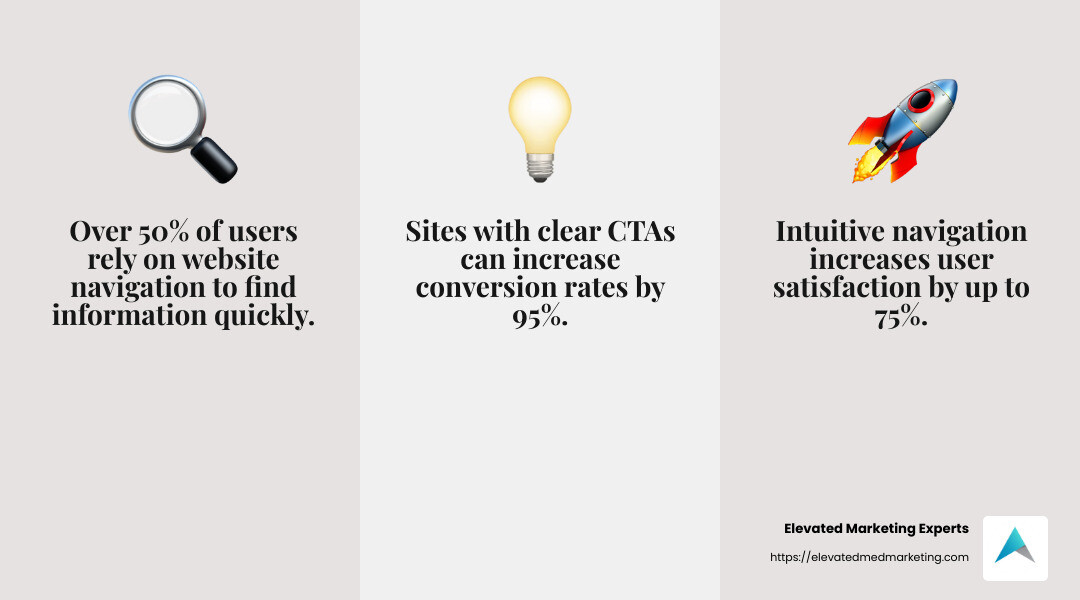
Navigation should be intuitive and straightforward. Visitors should easily find what they’re looking for without getting frustrated. Consider these tips:
- Prominent Menus: Keep important links like services, testimonials, and contact information easily accessible.
- Clear Call-to-Actions (CTAs): Guide visitors to take the next step, whether it’s scheduling a consultation or learning more about a procedure.
- Consistent Layout: Maintain a uniform layout across pages to ensure a seamless browsing experience.
SEO Optimization
SEO is crucial for getting your website noticed in search engines. A well-optimized site ranks higher, making it easier for potential patients to find you. Here’s how to improve your SEO:
- Responsive Design: As highlighted earlier, a mobile-friendly site boosts your SEO efforts.
- Keywords: Use relevant keywords like “plastic surgery,” “cosmetic procedures,” and others naturally within your content.
- Quality Content: Provide informative and engaging content that answers common patient questions and showcases your expertise.
By focusing on these key elements, your plastic surgery website can offer an exceptional user experience, attract more visitors, and convert them into loyal patients.
Next, we’ll explore best practices for responsive website design that can further improve your site’s performance.
Best Practices for Responsive Website Design
When it comes to crafting a responsive website design for plastic surgeons, there are several best practices to ensure your site not only looks great but also performs effectively. These practices revolve around SEO strategies, interactive features, and conversion tools.
SEO Strategies
Search Engine Optimization (SEO) is the backbone of any successful website. For plastic surgeons, it’s crucial to rank high in search results. Here’s how you can optimize your site:
Keyword Integration: Use relevant keywords like “plastic surgery”, “cosmetic surgeon”, and location-specific terms naturally in your content. This helps potential patients find your practice when searching online.
Meta Tags and Descriptions: Ensure each page has unique meta tags and descriptions. These snippets help search engines understand what your page is about and improve click-through rates.
Fast Loading Times: Optimize images and code to ensure your site loads quickly. Slow pages can increase bounce rates and hurt your SEO.
Interactive Features
Interactive features engage visitors and encourage them to spend more time on your site. Here are a few ideas:
Before-and-After Galleries: Allow users to scroll through before-and-after photos. This visual proof can build trust and showcase your expertise.
Procedure Videos: Short, informative videos explaining procedures can help explain the process and make potential patients feel more comfortable.
Live Chat: Implement a live chat feature to answer visitor questions in real-time. This can improve user experience and increase conversion rates.
Conversion Tools
Converting visitors into patients is the ultimate goal. Effective conversion tools can make this happen:
Clear Call-to-Actions (CTAs): Use prominent CTAs like “Schedule a Consultation” or “Contact Us Today” to guide visitors toward taking the next step.
Online Booking System: An integrated booking system allows potential patients to easily schedule appointments, reducing barriers to conversion.
Testimonials and Reviews: Display patient testimonials and reviews prominently. Social proof is powerful and can influence decision-making.
By implementing these best practices, your plastic surgery website will not only attract more visitors but also engage them effectively and convert them into patients.
Next, we’ll look at some top examples of effective plastic surgery websites to inspire your design.
Top Examples of Effective Plastic Surgery Websites
To truly understand what makes a plastic surgery website successful, let’s dive into some standout examples. These websites not only excel in design but also in functionality, user experience, and responsiveness.
Parva Plastic Surgery
Parva Plastic Surgery’s website is a masterclass in blending aesthetics with functionality. The site is visually stunning and easy to steer, making it a prime example of responsive website design for plastic surgeons.
Detailed Procedure Information: Each surgical and non-surgical procedure is carefully detailed, helping potential clients understand what to expect. This transparency builds trust and sets the practice apart from competitors.
Before-and-After Galleries: The site features extensive before-and-after galleries, showcasing the impressive results achieved by Dr. Parva and his team. These visuals act as social proof, reinforcing the quality of their work.
New York Group for Plastic Surgery
This website is sleek and modern, immediately instilling confidence in the practice’s capabilities.
High-Resolution Imagery: The use of high-quality images throughout the site, from hero images to detailed galleries, highlights the surgeons’ expertise and artistry.
Accessibility Features: A standout feature is the accessibility button, ensuring the site is usable by all visitors, reflecting the practice’s dedication to inclusivity.
Strong Calls to Action: The site employs powerful CTAs and user-friendly contact forms, encouraging visitors to take the next step in their journey.
Nip & Tuck Plastic Surgery
Nip & Tuck Plastic Surgery’s website exudes professionalism through its simple design and sophisticated color palette.
Educational Content: The site offers a wealth of educational resources, including detailed procedure descriptions and informative blog posts. This content empowers visitors to make informed decisions about their aesthetic goals.
Online Scheduling System: A built-in appointment booking feature simplifies the process for potential clients, making it easier to schedule consultations.
Live Chat Support: The addition of a chat box provides personalized assistance, enhancing user experience and ensuring timely support.
These examples demonstrate that an effective plastic surgery website combines visual appeal with user-friendly navigation and robust functionality. By drawing inspiration from these sites, you can create a digital presence that attracts, engages, and converts potential patients.
Frequently Asked Questions about Responsive Website Design
What is responsive website design?
Responsive website design is a method that ensures a website looks good and functions well on all devices, from desktops to smartphones. It uses flexible layouts, images, and CSS media queries to adapt to different screen sizes and orientations. This means no more pinching or zooming to read text or see images on smaller screens.
A responsive design creates a seamless experience for users, making it easier for them to steer your site, find information, and engage with your content. For plastic surgeons, this is crucial because potential patients often browse on their phones or tablets. A site that looks great and works smoothly on any device can make your practice stand out.
How does responsive design impact SEO?
Responsive design is not just about aesthetics; it also plays a significant role in SEO optimization. Search engines like Google prioritize mobile-friendly sites in their rankings. So, having a responsive design can improve your search engine ranking and increase visibility.
Furthermore, a responsive site reduces bounce rates. When users find a site easy to use on any device, they’re more likely to stay longer, explore more pages, and return in the future. This user engagement sends positive signals to search engines, boosting your SEO efforts.
Why is mobile responsiveness crucial for plastic surgeons?
With more people using mobile devices to search for services, mobile responsiveness is vital for plastic surgeons. An easy-to-steer, attractive site on a smartphone can significantly improve user engagement, leading to more inquiries and consultations.
For plastic surgeons, a mobile-responsive site can showcase before-and-after photos effectively, provide easy access to contact forms, and even offer online booking options. This convenience can turn casual visitors into potential patients, giving your practice a competitive edge.
In summary, embracing responsive website design is essential for plastic surgeons aiming to improve their online presence and reach more patients. Up next, we’ll explore how to implement best practices for responsive design in your website.
Conclusion
In digital marketing for plastic surgeons, Elevated Marketing Experts stands out with its industry expertise and custom digital marketing solutions. We understand that a robust online presence is essential for attracting and converting potential patients, and a well-crafted responsive website is at the heart of this strategy.
Our team specializes in building responsive website designs for plastic surgeons that not only look stunning but also function seamlessly across all devices. This ensures that your practice is accessible to every potential patient, whether they’re browsing on a desktop, tablet, or smartphone. By optimizing user experience, we help you engage with your audience effectively, turning visitors into loyal patients.
But our services go beyond just design. We offer a comprehensive suite of digital marketing solutions, including organic SEO, Google Ads management, and content creation. Our goal is to elevate your practice’s online visibility and drive more traffic to your site, ultimately increasing your patient base.
Partnering with us means leveraging our extensive knowledge and experience in the aesthetic and wellness industry. We are committed to helping your practice grow by providing customized strategies that align with your specific goals and needs.
Ready to transform your online presence and boost your practice’s success? Contact us today to learn more about our responsive web design services and how we can help your plastic surgery practice thrive in the digital age.


