

PPC Advertising for Plastic Surgeons: 5 Amazing Tips 2024
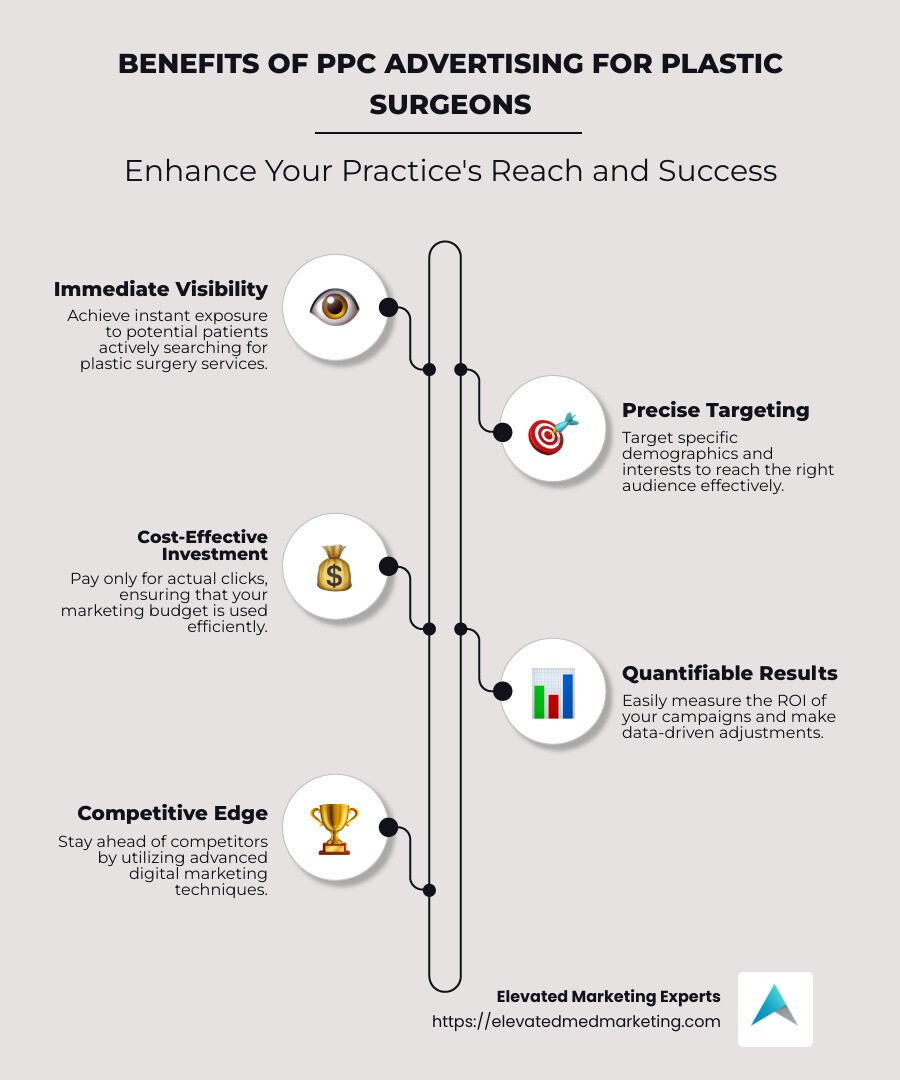
PPC advertising for plastic surgeons is an effective way to reach potential patients and grow your practice’s online presence. In the competitive field of plastic surgery, where new trends and treatments regularly emerge, traditional marketing is often not enough. A well-structured PPC advertising campaign can place your services directly in front of individuals actively searching for plastic surgery options. Here’s a quick overview of why it’s important and how it provides quick returns:
- Immediate Visibility: Unlike organic SEO, PPC delivers instant traffic.
- Precise Targeting: Reach specific demographics interested in your services.
- Cost-Effective: Only pay for clicks, ensuring your budget is wisely spent.
- Quantifiable Results: Easily measure ROI and tweak campaigns as needed.
Implementing a strategic PPC campaign will ensure you are not overshadowed by competitors who already use these advanced digital marketing methods.
My name is Joe Amaral, and I have a rich background in digital marketing, having founded multiple startups in the field. With a passion for helping businesses thrive online, I specialize in PPC advertising for plastic surgeons, combining creativity and analytical skills to design effective campaigns. Let’s explore how PPC can revolutionize your practice’s outreach in the following sections.
What is PPC Advertising for Plastic Surgeons?
PPC advertising stands for “pay-per-click” advertising, a digital marketing model where advertisers pay a fee each time their ad is clicked. This approach is especially effective for plastic surgeons, who operate in a highly competitive environment. By using PPC, they can directly target individuals actively searching for their services.
How the Pay-Per-Click Model Works
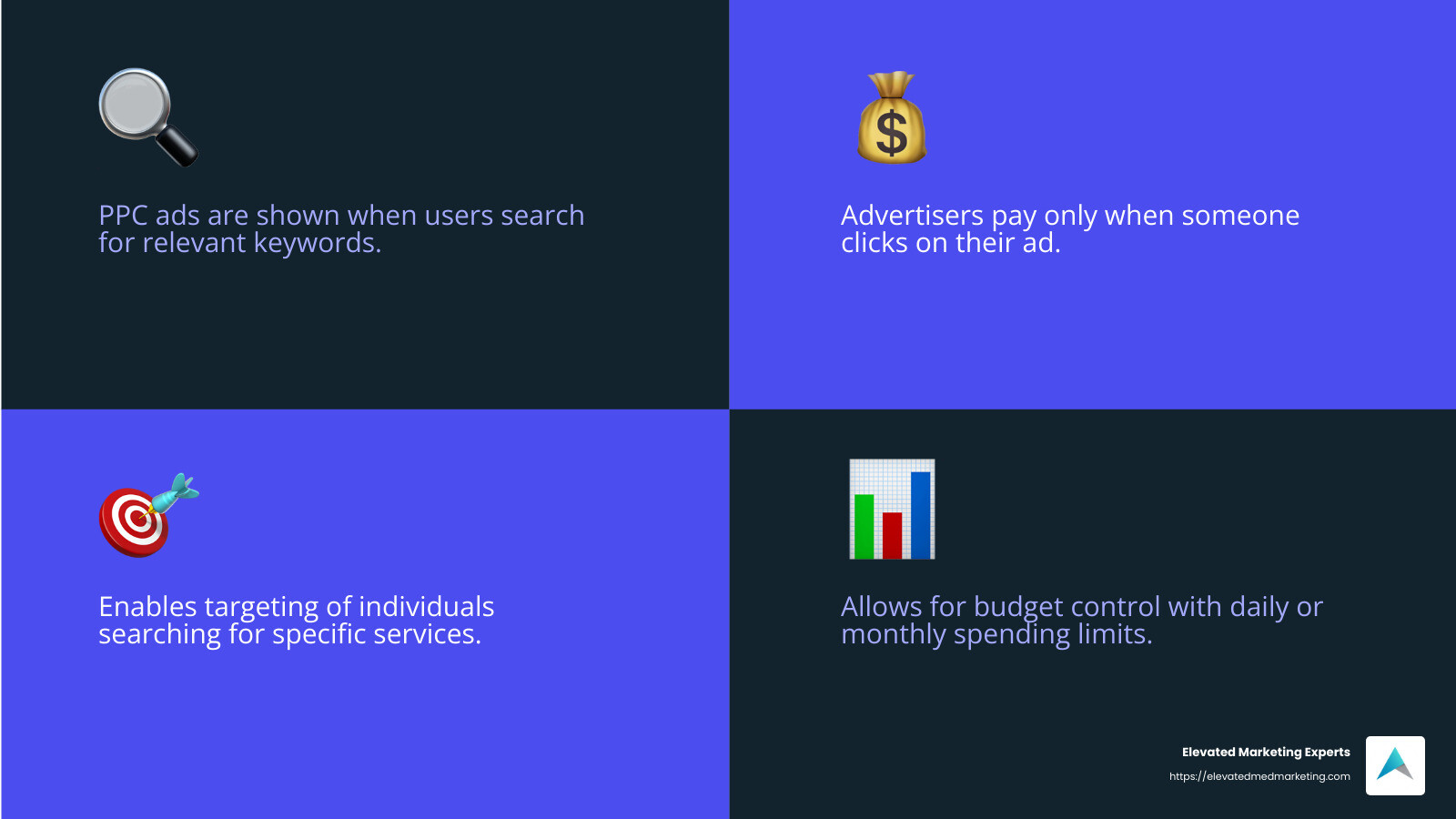
In the PPC model, ads are displayed on platforms like Google, Facebook, or Bing. Advertisers bid on keywords relevant to their services, and when someone searches for those terms, the ads appear. The cost is only incurred when someone clicks on the ad, making it a cost-effective choice for plastic surgeons.
Cost-Effectiveness of PPC for Plastic Surgeons
One of the standout features of PPC advertising for plastic surgeons is its cost-effectiveness. Unlike traditional advertising, where you pay upfront for ad placement regardless of performance, PPC ensures you only pay when potential patients engage with your ad. This means your budget is spent on actual leads rather than mere exposure.
- Budget Control: Set daily or monthly limits to ensure spending aligns with your financial goals.
- Targeted Spending: Focus on high-intent keywords that bring in quality leads, optimizing your return on investment (ROI).
- Flexible Adjustments: Easily modify campaigns based on performance data to improve outcomes.
By leveraging the benefits of PPC, plastic surgeons can efficiently attract more patients and maximize their marketing investment.
Benefits of PPC Advertising for Plastic Surgeons
In the competitive world of plastic surgery, standing out is crucial. PPC advertising for plastic surgeons offers several key benefits that can give you an edge over the competition.
Instant Visibility
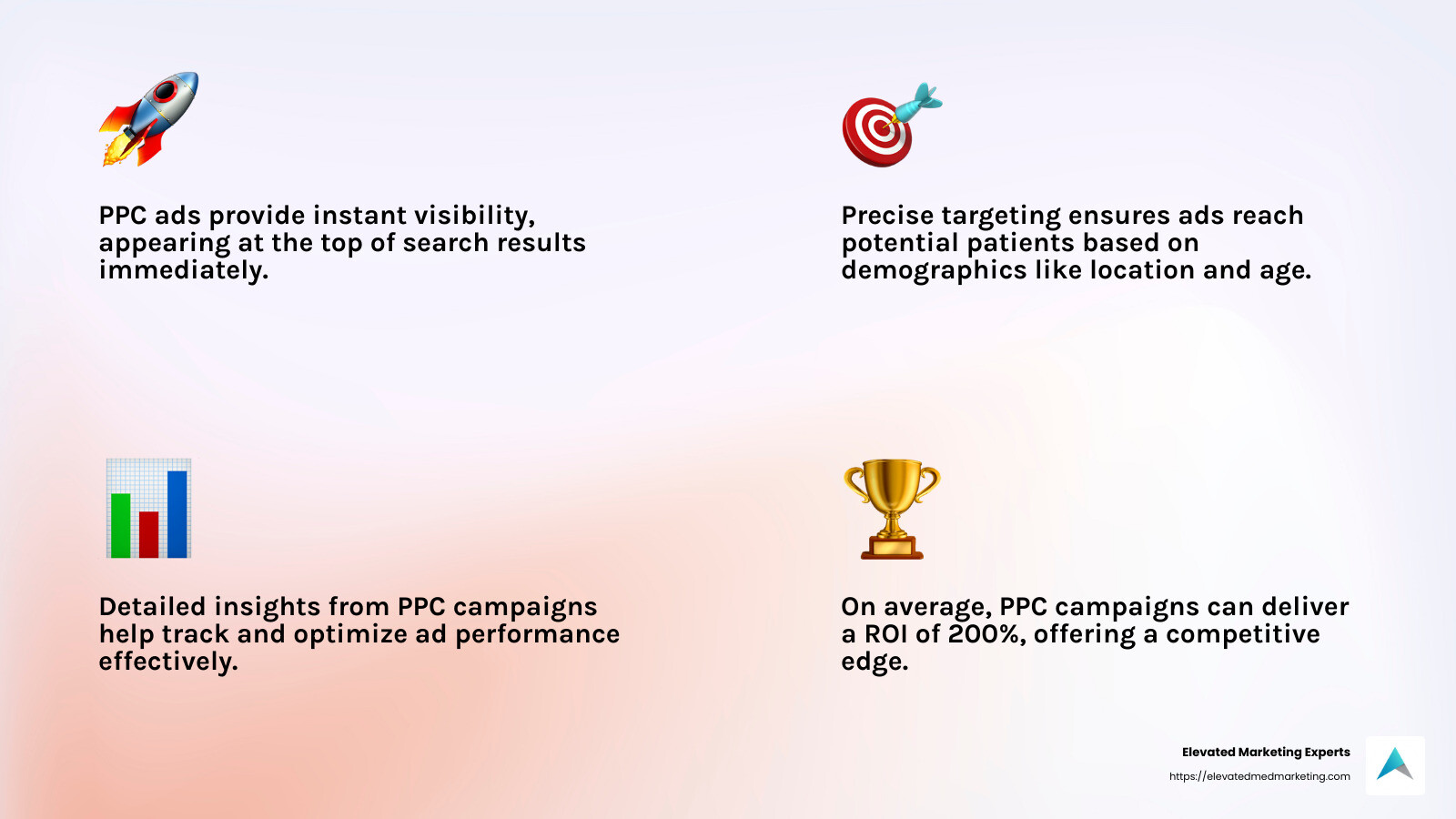
One of the most significant advantages of PPC is the immediate visibility it provides. Unlike SEO, which can take months to show results, PPC ads appear at the top of search engine results pages as soon as your campaign goes live. This means potential patients see your services right away, increasing the chances of attracting new clients quickly.
Targeted Traffic
PPC allows for precise targeting, ensuring your ads reach the right audience. You can target potential patients based on location, age, gender, and even income level. This precision means you’re not just getting more visitors to your site, but the right kind of visitors—those who are likely to convert into patients.
- Location Targeting: Attract local clients by focusing your ads on specific geographic areas.
- Demographic Targeting: Tailor your ads to reach people who fit your ideal patient profile.
Measurable Insights
PPC advertising provides detailed insights into campaign performance, allowing you to track clicks, impressions, and conversions. This data helps you understand what’s working and what isn’t, enabling you to make informed decisions to optimize your campaigns.
Competitive Edge
With many plastic surgeons using PPC, not participating can mean losing potential clients to competitors. By leveraging PPC, you ensure your practice remains visible in a crowded market. This strategy not only attracts new patients but also reinforces your brand’s presence online.
By using the power of PPC advertising for plastic surgeons, you can achieve faster growth and a stronger market position. Up next, we’ll dive into how PPC advertising works, focusing on bidding strategies and ad placements.
How PPC Advertising for Plastic Surgeons Works
Understanding how PPC advertising for plastic surgeons operates is key to maximizing its potential. Let’s explore the mechanics, starting with bidding on keywords and the types of ads available.
Bidding on Keywords
The foundation of PPC is bidding on keywords. This is where you decide which search terms you want your ads to appear for. Start by conducting thorough keyword research using tools like Google Keyword Planner. This tool helps identify keywords relevant to your practice, such as “rhinoplasty specialists” or “liposuction clinics near me.”
Cost-per-click (CPC) is the amount you pay each time someone clicks on your ad. Popular keywords tend to have higher CPCs due to competition. To manage costs, focus on long-tail keywords, which are more specific and often less expensive.
Ad Placement and Google Ads Auction
Once you’ve selected your keywords, the next step is ad placement. Google Ads operates on an auction system. When a user searches for a term, Google evaluates all relevant ads and decides which ones to display based on a combination of bid amounts and quality scores.
Quality Score is a critical factor. It reflects the relevance and quality of your ads, keywords, and landing pages. A higher Quality Score can lead to better ad positions at a lower cost. To boost your Quality Score, ensure your ad copy and landing pages align closely with the search intent of your chosen keywords.
Types of PPC Ads for Plastic Surgeons
PPC offers various ad types, each suited to different marketing goals:
Search Ads: These are text ads that appear at the top of search engine results. They’re ideal for capturing users actively looking for services like yours.
Video Ads: With video content on the rise, platforms like YouTube offer PPC video ads. These can be particularly engaging, allowing you to showcase before-and-after results or patient testimonials.
Local Services Ads (LSAs): Perfect for targeting local patients, LSAs appear at the top of Google search results and show information like your practice’s rating and contact details.
Remarketing: This strategy targets users who’ve previously visited your website. By showing them custom ads, you can encourage them to return and convert into patients.
Email Ads: These ads appear in Gmail and look like regular emails. They are a subtle yet effective way to reach potential patients directly in their inbox.
By understanding and leveraging these elements of PPC advertising for plastic surgeons, you can effectively reach your target audience and optimize your advertising budget. Next, we’ll dig into the best practices for creating compelling PPC campaigns, including keyword research and ad copy creation.
Best Practices for PPC Advertising for Plastic Surgeons
Creating effective PPC advertising for plastic surgeons requires a strategic approach. Let’s explore some best practices, covering keyword research, ad copy creation, landing page optimization, and audience targeting to ensure your campaigns are as effective as possible.
Keyword Research
Keyword research is the backbone of any successful PPC campaign. Start by using the Google Keyword Planner to find keywords that potential patients are searching for. Focus on both broad and long-tail keywords to capture a wider audience while keeping costs manageable.
Keyword Match Types: Use different match types, such as broad match, phrase match, and exact match, to control how closely a search query must match your keyword for your ad to appear. This helps in refining your audience reach.
Negative Keywords: Identify terms that are irrelevant to your services and add them as negative keywords. This prevents your ads from showing up in unrelated searches, saving you money and improving your ad relevance.
Ad Copy Creation
Crafting compelling ad copy is crucial for grabbing attention and driving clicks.
Compelling Headlines: Use clear and engaging headlines that include your main keywords. This not only improves relevance but also increases your ad’s click-through rate.
Ad Relevance: Ensure your ad copy aligns with the keywords and user intent. This boosts your Quality Score, potentially lowering your cost-per-click.
Call-to-Action (CTA): Include a strong, clear call-to-action that encourages users to take the next step, whether it’s booking a consultation or learning more about your services.
Landing Page Optimization
Your ad’s job is to attract clicks, but your landing page must convert those clicks into action.
Dedicated Landing Pages: Create pages specifically custom to each ad campaign. This ensures a cohesive user experience and increases the likelihood of conversion.
Clear CTA: Make sure your landing page has a prominent and persuasive call-to-action. It should be easy for visitors to understand what action to take next.
A/B Testing: Regularly test different elements of your landing pages, such as headlines, images, and CTAs. A/B testing helps you identify what works best for your audience and optimizes conversion rates.
Audience Targeting
Reaching the right audience is key to maximizing your PPC efforts.
Custom Audiences: Use Google Ads to create custom audiences based on demographics, interests, and behaviors. This helps tailor your ads to those most likely to be interested in your services.
Demographic Targeting: Focus on specific age groups, genders, or other demographic factors that align with your ideal patient profile.
Geotargeting: Adjust your bids based on location to ensure your ads are seen by people in your target areas. This is especially useful for plastic surgeons who serve specific geographic regions.
By following these best practices, you can create a well-rounded PPC strategy that effectively reaches and converts your target audience. Next, we’ll explore how automation and reporting tools can further improve your PPC campaigns.
PPC Automation and Reporting Tools
As a plastic surgeon, managing PPC advertising can be time-consuming. That’s where automation and reporting tools come in. They simplify the process, making your campaigns more efficient and effective.
PPC Automation Tools
Automation software is essential for optimizing your PPC campaigns without constant manual input. Here are some of the top tools:
Wordstream PPC Advisor: This tool helps streamline your campaigns by suggesting keyword and bid optimizations. It’s user-friendly and great for those new to PPC.
Optmyzr: Known for its powerful automation features, Optmyzr offers one-click optimizations, custom alerts, and detailed reports, helping you save time while improving performance.
Google Ads Editor: A free tool, it’s perfect for managing large campaigns. With offline editing capabilities, you can easily make bulk changes and upload them when you’re ready.
Semrush PPC Toolkit: This is a comprehensive suite offering keyword research, competitor analysis, and campaign management tools to boost your PPC efforts.
Using these tools, you can automate tasks like bid management, ad rotation, and keyword optimization to improve your campaign’s efficiency.
PPC Reporting Tools
Regular and accurate reporting is crucial for tracking your PPC campaign’s success. Here are some leading tools to consider:
Reporting Ninja: This tool offers customizable reporting templates that integrate with various data sources. It’s ideal for creating visually appealing and informative reports.
Swydo: Known for its easy-to-use interface, Swydo provides automated reporting and performance dashboards. This helps you stay on top of your campaigns with minimal effort.
By employing these reporting tools, you can gain valuable insights into your campaign’s performance, allowing you to make informed decisions and adjustments.
Tracking and Managing Campaigns
Effective PPC management involves continuous tracking and optimization. Here are a few tips:
Conversion Tracking: Set up conversion tracking to measure the success of your campaigns. Define what counts as a conversion, whether it’s a phone call, form submission, or consultation booking.
Budget Management: Start with a modest budget and increase it as you identify profitable keywords and strategies. Use the cost projection feature in Google Keyword Planner to guide your spending.
Performance Analysis: Regularly review your campaign data to identify trends and areas for improvement. Focus on metrics like click-through rates (CTR), cost-per-click (CPC), and conversion rates.
By integrating automation and reporting tools into your PPC strategy, you can maximize your reach, improve efficiency, and achieve better results. Next, we’ll dig into some common challenges faced in PPC advertising for plastic surgeons.
Common Challenges in PPC Advertising for Plastic Surgeons
Navigating PPC advertising for plastic surgeons can be tricky. There are several unique challenges you might encounter, especially when dealing with healthcare-related advertising. Let’s break down some of these problems.
Google Policies and Restrictions
Google has strict policies when it comes to advertising medical services. These policies are in place to protect users and ensure that ads are not misleading. For plastic surgeons, this means you must be careful with how you present your services in your ads.
One major challenge is obtaining a Healthcare-Related Advertising Certificate for Google. This certificate is crucial for running compliant Google Ads campaigns. It ensures your ads meet all necessary regulations, reducing the risk of disapprovals.
Additionally, Google often restricts certain medical terms. This can limit the language you use in your ads, making it essential to find creative ways to convey your message without violating these rules.
Restricted Medical Terms
Certain medical terms are restricted or banned in PPC campaigns. This is particularly relevant for plastic surgeons, as some procedures might fall under these restrictions. For instance, terms like “weight loss surgery” or “cosmetic improvements” might trigger red flags, limiting your ad’s reach.
To work around this, focus on using approved terminology and emphasize patient benefits and outcomes rather than specific procedures. Additionally, you can use broad match or phrase match types to capture related searches without violating restrictions.
Retargeting Limitations
Retargeting is a powerful tool in PPC advertising, allowing you to reach users who have previously visited your website. However, in the medical field, there are limitations on how you can retarget potential patients.
Privacy concerns and regulations like HIPAA can restrict the use of personal data for retargeting. This means you need to be cautious about how you collect and use data for your campaigns.
One way to steer these limitations is by using anonymized data and focusing on broader audience segments. This allows you to retarget effectively while staying within legal boundaries.
Understanding and overcoming these challenges is crucial for successful PPC advertising for plastic surgeons. By staying informed and compliant, you can effectively reach your target audience and grow your practice. Now, let’s explore some frequently asked questions about PPC advertising in this field.
Frequently Asked Questions about PPC Advertising for Plastic Surgeons
What is the profit margin for plastic surgeons?
Plastic surgeons often enjoy a high profit margin, with many practices seeing margins over 70%. This figure can vary based on the services offered and the operational costs of the facility. For instance, practices that own their facilities might have different financial dynamics compared to those renting space. Owning a facility can lead to lower overhead costs, increasing the profit margin.
How do plastic surgeons advertise?
Plastic surgeons use a variety of methods to reach potential patients, with Google Ads being a popular choice. These ads provide instant visibility and allow for precise targeting, ensuring that the right audience sees them at the right time. Remarketing is another effective strategy, enabling surgeons to engage with users who have previously visited their website. This keeps the practice top-of-mind for potential patients who may not have converted on their first visit.
Targeted advertising is crucial. By focusing on specific demographics such as age, gender, and location, surgeons can ensure that their ads reach the most relevant audience. This targeted approach increases the likelihood of converting clicks into consultations and surgeries.
How much does PPC advertising cost?
The cost of PPC advertising for plastic surgeons can vary widely. On average, practices might spend anywhere from a few hundred to several thousand dollars per month. The cost-per-click (CPC) is influenced by factors such as competition for keywords and the geographic area being targeted. For example, highly competitive keywords like “rhinoplasty” can have a higher CPC, while less competitive terms might be more affordable.
It’s essential to set a budget that aligns with your practice’s goals and financial capacity. By carefully selecting keywords and optimizing your campaigns, you can control costs and maximize your return on investment. Regularly reviewing campaign performance and adjusting strategies accordingly will help ensure that your advertising spend is both efficient and effective.
Now that we’ve covered some common questions, let’s dig into the tools and strategies that can improve your PPC campaigns.
Conclusion
At Elevated Marketing Experts, we specialize in helping plastic surgeons like you thrive in the digital landscape. Our team understands the unique challenges and opportunities within the plastic surgery industry and is dedicated to crafting custom PPC strategies that deliver results.
Our comprehensive approach to PPC advertising for plastic surgeons combines industry expertise with cutting-edge tools. We focus on creating campaigns that not only increase visibility but also drive targeted traffic to your practice. By leveraging our knowledge in Google Ads management, keyword research, and audience targeting, we ensure your ads reach the right people at the right time.
We also offer a range of other digital marketing services, including SEO, website design, and content creation, to support your overall online presence. Our goal is to provide a seamless and integrated marketing experience that helps your practice stand out in a competitive field.
Partnering with us means gaining access to a team that is committed to your success. We prioritize transparency and communication, ensuring you are informed and involved every step of the way. Our focus on measurable insights means you can track your campaign’s performance and make data-driven decisions to optimize your return on investment.
Ready to elevate your practice with expert PPC management? Contact us today to learn more about our services and how we can help you achieve your marketing goals. Let’s work together to maximize your reach and grow your practice.


