

Plastic Surgery PPC: 5 Proven Ways to Boost Success
Open uping Success with Plastic Surgery PPC
Plastic surgery ppc is changing how surgeons reach their target audience. With high demand for treatments like rhinoplasty and facelifts, a strategic approach to advertising is crucial for standing out. Here’s the essence of using PPC for your practice:
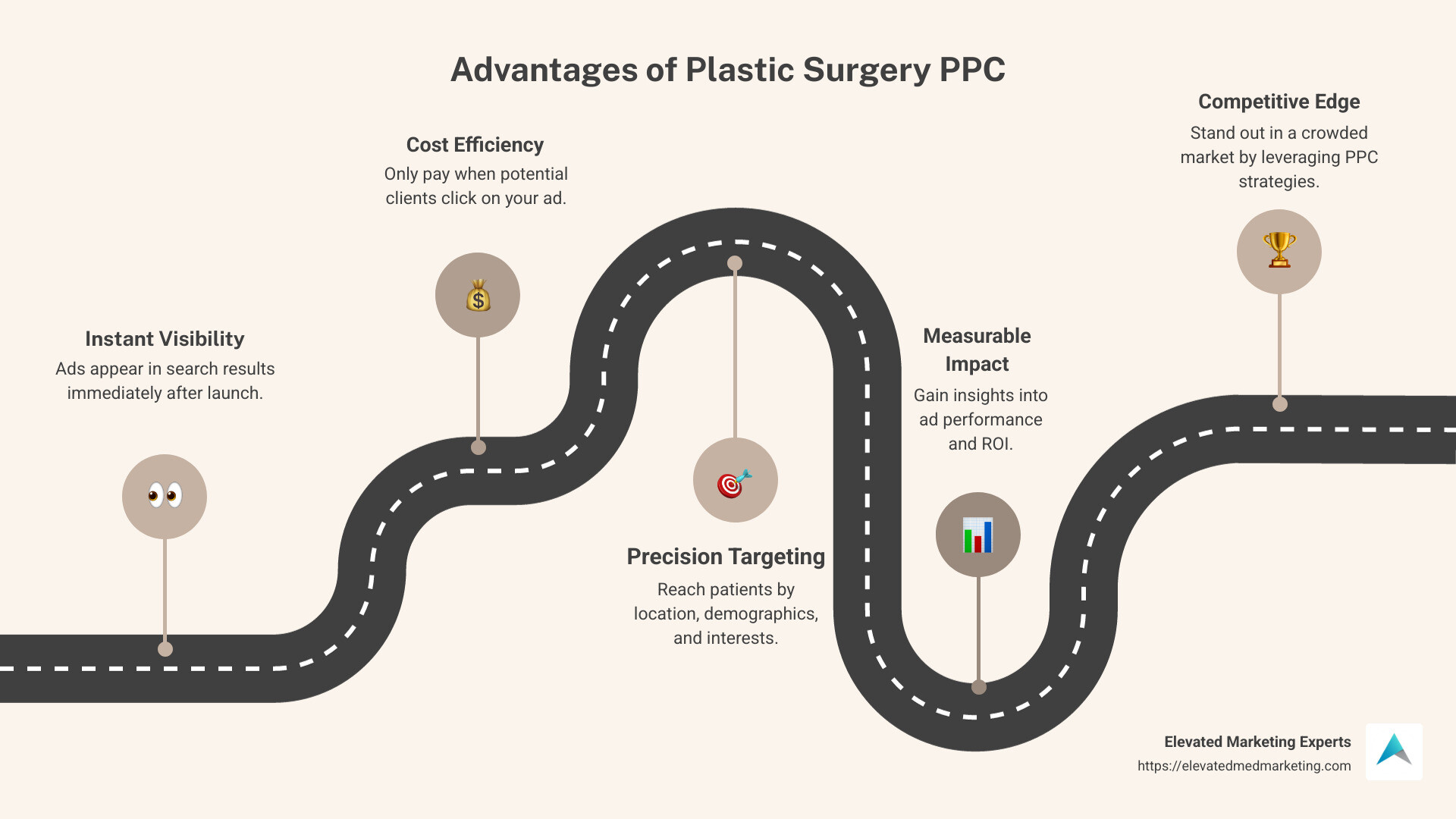
- Instant Visibility: Launch PPC ads to immediately appear in search results.
- Cost Efficiency: Pay only when potential clients click on your ad.
- Precision Targeting: Reach patients by location, demographics, and interests.
- Measurable Impact: Gain insights into ad performance and ROI.
In the competitive world of cosmetic surgery, PPC helps your practice shine and keeps you ahead of rivals leveraging similar tactics.
My name is Joe Amaral. With a rich background in both sales and digital marketing, I specialize in plastic surgery ppc strategies that drive measurable results. Transitioning from a Fortune 500 company to establishing successful marketing startups, my focus is now on leveraging cutting-edge technology to optimize advertising for cosmetic surgeons.
Understanding Plastic Surgery PPC
Pay-per-click (PPC) advertising is a game-changer for plastic surgery practices aiming to boost visibility and attract new patients. Let’s break down how this works and explore some of the top platforms available.
What is Pay-per-click (PPC)?
In simple terms, PPC is a form of online advertising where you pay a fee each time someone clicks on your ad. Unlike traditional advertising, where you pay upfront regardless of the outcome, PPC ensures your money is spent on actual interactions. This method is particularly effective for plastic surgeons as it targets individuals actively searching for cosmetic procedures.
Key Platforms for Plastic Surgery PPC
- Google Ads
Google Ads is the most popular PPC platform, offering extensive reach and robust tools for targeting and analysis. Whether you’re looking to promote your new rhinoplasty technique or advertise a seasonal offer, Google Ads can place your practice at the top of search results when potential patients are looking for services like yours.

- Facebook Ads
Facebook Ads allow for highly targeted campaigns based on user demographics, interests, and behaviors. This platform is especially beneficial for plastic surgeons due to its visual nature, enabling you to showcase before-and-after photos or patient testimonials effectively. Moreover, Facebook’s data-driven insights can help tailor your campaigns for better engagement.
- Bing Ads
Although Google is the search giant, don’t overlook Bing Ads. Bing can be a cost-effective option with less competition, meaning lower costs per click. For practices looking to stretch their advertising budget, Bing Ads can complement your Google Ads strategy by reaching a different segment of potential patients.
- Amazon Ads
While not as common for plastic surgery, Amazon Ads can still play a role, especially if your practice offers related products or services. For instance, if you’re selling skincare products or recovery aids, Amazon Ads can help boost visibility and sales.
- AdRoll
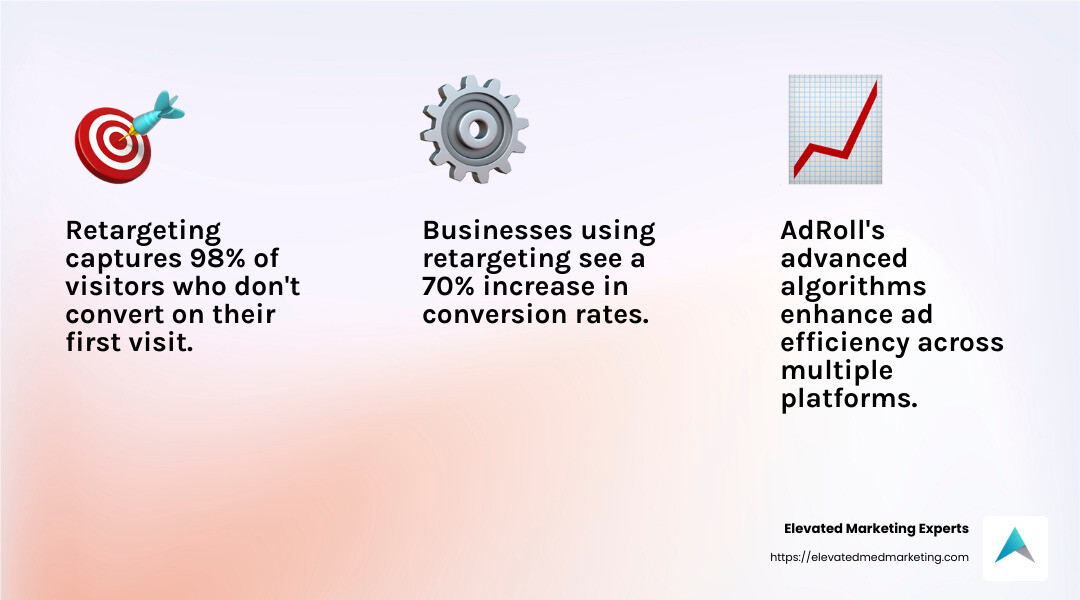
AdRoll is known for its retargeting capabilities, which are crucial for plastic surgeons. Retargeting allows you to reach users who have previously visited your site but didn’t convert. This gentle nudge can remind potential patients of your services, increasing the chances of conversion.
In summary, plastic surgery PPC offers a strategic way to connect with potential patients. By leveraging platforms like Google Ads and Facebook Ads, you can tailor your advertising efforts to meet your practice’s specific needs, ensuring you reach the right audience with the right message. Next, we’ll explore the advantages of using PPC in your plastic surgery marketing strategy.
Advantages of Plastic Surgery PPC
Instant Visibility
One of the standout benefits of plastic surgery PPC is its ability to provide immediate visibility. Unlike SEO, which can take months to show results, PPC ads appear at the top of search results as soon as you launch your campaign. This means potential patients searching for services like “rhinoplasty in Miami” will see your practice right away, increasing the likelihood of attracting new clients.
Precision Targeting
PPC gives you the power to target your ads with laser precision. You can specify who sees your ads based on factors like location, age, gender, and even income level. For example, if you’re a plastic surgeon in Los Angeles, you can target ads to users within a specific radius of your clinic. This ensures your ads reach those most likely to convert into patients, maximizing your advertising spend.
Measurable Insights
With PPC, you get access to a treasure trove of data that can help refine your advertising strategy. Platforms like Google Ads provide detailed analytics on ad performance, clicks, conversions, and more. This means you can see exactly how your ads are performing and make data-driven decisions to improve results. For instance, if you notice a high click-through rate (CTR) but low conversions, you might need to tweak your landing page to better capture leads.
Competitive Edge
In the competitive world of plastic surgery, standing out is crucial. PPC allows you to stay ahead of competitors who might not be using this advertising method. By bidding on relevant keywords and optimizing your ads, you can capture traffic that might otherwise go to your competitors. If you’re not advertising, someone else likely is, and they could be capturing potential patients who might have chosen your practice.
Plastic surgery PPC is a powerful tool that offers immediate results, precise audience targeting, valuable insights, and a competitive advantage. By integrating PPC into your marketing strategy, you can effectively attract and convert potential patients, helping your practice grow. Next, we’ll dive into how to optimize your PPC campaigns for the best results.
How to Optimize Your Plastic Surgery PPC Campaigns
Optimizing your plastic surgery PPC campaigns involves several key steps, each crucial for maximizing your return on investment. Let’s explore these strategies.
Keyword Research
The foundation of any successful PPC campaign is effective keyword research. You need to identify the terms potential patients are using when they search for services like yours. Use tools like Google Keyword Planner to find keywords with high search volume but low competition. For example, instead of bidding on broad terms like “plastic surgery,” focus on more specific keywords like “facelift in Houston” to attract more qualified leads.
Bidding Strategies
Once you’ve identified your keywords, it’s time to set your bidding strategy. Smart bidding is crucial to ensure you’re not overspending. Consider using Google’s automated bidding strategies, which adjust bids based on the likelihood of a conversion. This can help you get the most out of your budget by focusing on high-converting keywords. It’s not about bidding high; it’s about bidding smart.
Ad Types
Choosing the right ad type is another important step. For plastic surgeons, text-based search ads are often effective because they appear directly in search results where potential patients are looking. However, don’t overlook display ads, which can showcase your services visually on relevant websites. You might also consider video ads on platforms like YouTube to provide a more engaging look at your practice and procedures.
Landing Pages
A well-designed landing page is crucial for converting clicks into consultations. When someone clicks on your ad, they should be directed to a landing page that is relevant, informative, and easy to steer. Use compelling visuals and clear calls to action (CTAs) to encourage visitors to contact your practice. Ensure the landing page matches the promise of your ad to keep potential patients engaged.
Automation Tools
Finally, leverage automation tools to streamline your PPC campaigns. Tools like Google Ads’ automated bidding can save time and improve efficiency by adjusting bids in real-time based on performance data. Additionally, consider using remarketing tools to target users who have previously visited your site but didn’t convert. This can help bring them back and increase the chances of conversion.
By focusing on these key areas—keyword research, bidding strategies, ad types, landing pages, and automation tools—you can effectively optimize your plastic surgery PPC campaigns. This will help you attract more qualified leads and ultimately grow your practice. Next, we’ll explore the top PPC platforms for plastic surgeons.
Top PPC Platforms for Plastic Surgeons
When it comes to advertising online, choosing the right platform is crucial. Different platforms offer unique advantages that can help plastic surgeons reach their target audience effectively. Let’s take a closer look at some of the top PPC platforms you should consider.
Google Ads
Google Ads is the go-to platform for many businesses, including plastic surgeons. Why? Because it offers instant visibility on the world’s largest search engine. With Google Ads, you can target specific keywords like “rhinoplasty near me” or “best plastic surgeon in NYC.” This ensures your ads appear when potential patients are actively searching for services. Google also provides robust tools for measuring performance, helping you refine your campaigns for better results.
Facebook Ads
Facebook Ads offers a different approach. It allows for precision targeting based on demographics, interests, and behaviors. This is ideal for plastic surgeons looking to reach specific groups, such as women aged 30-50 interested in cosmetic procedures. Facebook also provides insights into users’ online habits, which can help tailor your messaging and improve engagement. Plus, the visual nature of Facebook makes it perfect for showcasing before-and-after photos or patient testimonials.
Instagram Ads
Instagram, owned by Facebook, is another powerful platform for plastic surgeons. Known for its visual content, Instagram Ads can help you create engaging campaigns with images and videos that highlight your practice’s results. The platform’s younger demographic makes it ideal for reaching potential patients considering procedures like lip fillers or Botox. Influencer collaborations on Instagram can also amplify your reach and build trust with followers.
Microsoft Ads
Microsoft Ads, formerly known as Bing Ads, shouldn’t be overlooked. While its market share is smaller than Google’s, it still reaches millions of users. Microsoft Ads can be particularly effective for targeting an older, more affluent audience. The cost-per-click (CPC) on Microsoft Ads is often lower, providing a more cost-effective way to reach potential patients. Plus, integrating with Microsoft’s ecosystem can offer additional insights into user behavior.
Each of these platforms—Google Ads, Facebook Ads, Instagram Ads, and Microsoft Ads—offers unique benefits for plastic surgeons. By understanding the strengths of each, you can choose the best mix to achieve your advertising goals. Up next, we’ll dive into some frequently asked questions about plastic surgery PPC.
Frequently Asked Questions about Plastic Surgery PPC
What is a PPC procedure?
In the context of digital marketing, PPC (Pay-Per-Click) is not a medical procedure but an advertising method. It allows plastic surgeons to pay for their ads only when potential patients click on them. This approach is efficient because it targets people actively searching for plastic surgery services, ensuring that your ad budget is spent on interested prospects.
For a deeper dive into the nuances of PPC and its applications in the medical field, the Plastic and Reconstructive Surgery (PRS) journal often covers cutting-edge marketing strategies for surgeons, although it primarily focuses on surgical techniques and outcomes.
How does PPC help with conversion rate optimization?
Conversion Rate Optimization (CRO) is all about turning website visitors into actual patients. PPC plays a significant role in this process by driving targeted traffic to your site. When someone clicks on your ad, they are usually interested in your services, making them more likely to convert.
To improve CRO, it’s crucial to use features like call tracking. This tool helps you understand which ads lead to phone inquiries or bookings, allowing you to adjust your strategy for better results. By analyzing data from PPC campaigns, you can refine your landing pages and calls-to-action, ensuring a seamless journey from ad click to consultation booking.
Is it necessary to invest in PPC if I am already paying for SEO?
The question of SEO vs PPC often arises in digital marketing discussions. While SEO focuses on organic growth by optimizing your website to appear in search results, it can take months or even years to see significant results. This is especially true in competitive fields like plastic surgery.
On the other hand, PPC offers immediate traffic. As soon as you launch a PPC campaign, your ads can appear in search results, driving potential patients to your site right away. This quick visibility can be crucial for new practices or when launching new services.
While both SEO and PPC have their merits, using them together can provide a balanced approach. SEO builds a strong foundation for long-term growth, while PPC offers a quick boost in visibility and patient acquisition.
In the next section, we’ll explore how Liftd Digital Marketing leverages industry expertise to offer comprehensive solutions that combine these strategies effectively.
Conclusion
At Elevated Marketing Experts, we understand that navigating the digital landscape can be daunting, especially in the competitive world of plastic surgery. That’s where our industry expertise comes into play. We specialize in crafting comprehensive solutions that not only improve your online presence but also drive tangible results for your practice.
Why Choose Us?
Industry Expertise: Our team has years of experience in digital marketing for plastic surgeons. We know what works and what doesn’t, and we use that knowledge to tailor strategies specifically for your practice.
Comprehensive Solutions: We offer a full suite of digital marketing services, from organic SEO to Google Ads management, branding, content creation, and more. This holistic approach ensures that all aspects of your online presence are optimized for success.
Proven Results: Our track record speaks for itself. We have helped numerous plastic surgery practices achieve their marketing goals, whether it’s increasing website traffic, boosting patient inquiries, or improving conversion rates.
Custom Strategies: We understand that every practice is unique. That’s why we take the time to get to know your specific needs and goals, crafting a customized marketing plan that aligns with your vision.
Ongoing Support: Digital marketing is not a one-time effort. We provide continuous support and optimization to ensure your campaigns remain effective and adapt to changing trends and algorithms.
By partnering with us, you gain access to a team dedicated to elevating your practice to new heights. Whether you’re just starting out or looking to expand, our comprehensive solutions can help you achieve sustained growth and success.
Ready to transform your advertising strategy? Explore our PPC services and see how we can make a difference for your practice. Let’s work together to create a digital marketing strategy that brings your vision to life.


