

Why Effective Plastic Surgery Marketing Strategies Matter
Marketing is essential for every business, and plastic surgery marketing strategies are no exception. Standing out in the rapidly growing field of cosmetic surgery requires more than just providing excellent services. Engaging with potential patients through the right marketing tactics is crucial for attracting and retaining clients.
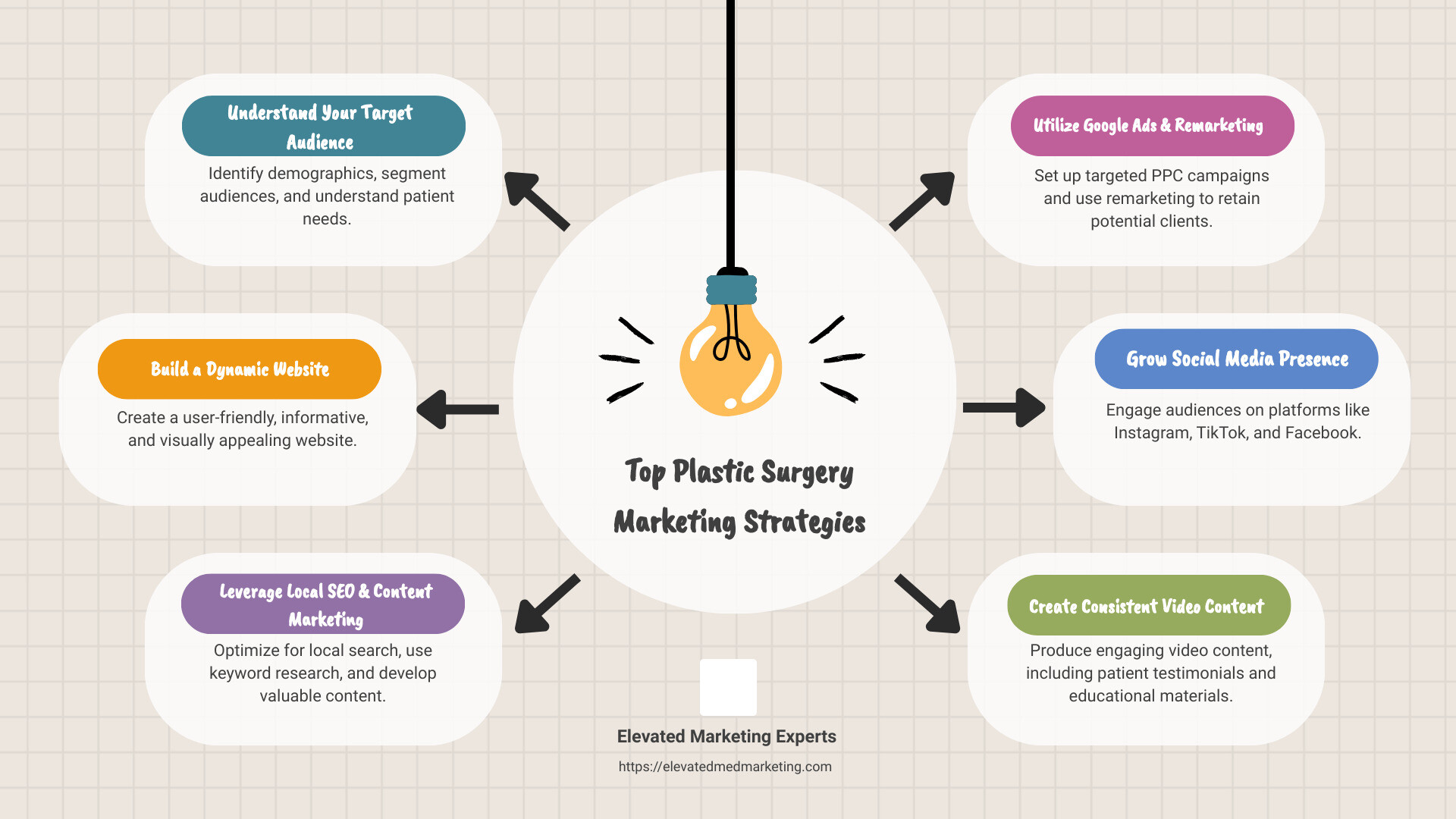
For a quick overview, here are the top plastic surgery marketing strategies you should focus on:
1. Understanding Your Target Audience
2. Building a Dynamic, Interactive Website
3. Leveraging Local SEO and Content Marketing
4. Utilizing Google Ads and Remarketing
5. Growing Your Social Media Presence
6. Creating Consistent Video Content
7. Managing Your Online Reputation
The expanding global market for cosmetic surgeries, which was valued at $67.3 billion in 2021 and is projected to reach $201.0 billion by 2031, underscores the importance of effective marketing strategies to stay competitive. Social media plays a large role in shaping trends and driving consumer behavior, making it a powerful tool in your marketing arsenal.
I’m Joe Amaral, a seasoned expert in plastic surgery marketing strategies. With a background in digital marketing and software development, I specialize in crafting strategies that elevate online presence and drive patient engagement.
Let’s dive deeper into how you can implement these strategies to boost your practice.
Understanding Your Target Audience
Knowing your target audience is the foundation of any effective marketing strategy. For plastic surgery marketing strategies, this means understanding the demographics, segmentation, and specific needs of your potential patients. Let’s break this down.
Demographics
The demographics of plastic surgery patients are diverse. While 90% of cosmetic surgery procedures are performed on women, don’t discount the growing number of male patients. From 1997 to 2012, the number of procedures performed on men increased by 106%. This indicates a significant market opportunity.
Consider these key demographics:
- Gender: Primarily female but increasing male interest.
- Age: The most common age group is 40-54 years old, but procedures are also popular among younger people and teens. Preventive procedures are becoming common in people in their twenties and thirties.
- Income: Only 13% of those considering plastic surgery have household incomes over $90,000, according to the American Society of Plastic Surgeons.
Understanding these demographics can help you tailor your marketing messages to resonate with different segments of your audience.
Segmentation
Segmentation involves dividing your audience into smaller, more manageable groups based on shared characteristics. This allows for more personalized and effective marketing campaigns.
Here are some ways you can segment your audience:
- By Procedure Type: Different procedures attract different demographics. For example, breast augmentation might appeal more to younger women, while facelifts may attract an older demographic.
- By Gender: Create separate campaigns for men and women, focusing on the specific benefits that each gender is looking for.
- By Age Group: Tailor your messages to address the concerns of different age groups. Younger audiences might be interested in preventive treatments, while older patients might be looking for anti-aging solutions.
Patient Needs
Understanding the needs of your patients is crucial for crafting messages that resonate. Here are some common needs and concerns among plastic surgery patients:
- Aesthetic Improvement: Patients are often looking to enhance their appearance, whether that’s through procedures like liposuction, eyelid surgery, or facelifts.
- Confidence Boost: Many patients seek surgery to feel better about themselves and boost their self-esteem.
- Medical Reasons: Some procedures are performed for medical reasons, such as reconstructive surgery after an accident or breast reduction to alleviate back pain.
By addressing these needs in your marketing messages, you can connect with your audience on a deeper level.
Case Study: Effective Targeting Through Call Analytics
One healthcare practice refined its marketing strategy by analyzing call data. They discovered that most inquiries came from women aged 35-50 interested in non-surgical treatments. By focusing their marketing efforts on this demographic, they saw a significant increase in patient engagement and conversions.
Conclusion
Understanding your target audience is the first step in creating successful plastic surgery marketing strategies. By diving deep into demographics, segmentation, and patient needs, you can craft messages that resonate and drive engagement.
Build a Strong Brand
Creating a strong brand is essential for any plastic surgery practice. A well-executed brand not only sets you apart from competitors but also builds trust and loyalty among patients. Let’s dive into how you can achieve this through branding, brand audits, and custom websites.
Branding
Branding is more than just a logo or a tagline. It’s about positioning your practice in a way that resonates with your target audience. For example, think of how certain brands are synonymous with specific qualities, like safety or luxury.
Real-World Examples:
- Dr. Trocki in South Jersey: Known for his “I Love Dr. Trocki” billboards, this tagline has become ingrained in the community’s consciousness over 20 years.
- Portland Clinics: Some clinics have branded themselves as the go-to surgeons for specific clientele, like exotic dancers seeking breast augmentation.
Brand Audit
A brand audit is crucial for ensuring that your online presence aligns with your brand values. This involves claiming your profiles on important directories and making sure they link to the correct site and reflect your brand positively.
Steps for a Brand Audit:
- Claim Profiles: Ensure your practice is listed on directories like Google My Business, Yelp, and Healthgrades.
- Consistency: Verify that your contact information, logo, and brand message are consistent across all platforms.
- Positive Reflection: Make sure your profiles reflect your brand in a positive light.
Custom Website
Your website is the cornerstone of your digital marketing efforts. A custom website not only conveys your brand’s unique value but also helps you rank higher on search engines.
Key Features of a Custom Website:
- User Experience: Easy navigation and a clean design.
- SEO Optimization: High-quality content and optimized keywords to improve search rankings.
- Contact Forms: Easy ways for potential clients to get in touch.

Building a strong brand is an ongoing process that requires attention to detail and consistency. Next, we’ll explore the plastic surgery marketing funnel and how to guide potential patients from awareness to action.
The Plastic Surgery Marketing Funnel
Understanding the plastic surgery marketing funnel is key to guiding potential patients from discovering your practice to booking a consultation. Each stage in the funnel—awareness, interest, consideration, and action—requires different strategies and approaches.
Awareness
Awareness is the first stage where potential patients learn about your practice.
Tactics to build awareness:
– SEO and PPC: Optimize your website for search engines and run Google Ads to appear at the top of search results. This helps people find you when they search for plastic surgery services.
– Social Media: Platforms like Instagram, TikTok, and Facebook are great for reaching a broad audience. Post regularly and use hashtags related to plastic surgery to increase visibility.
– Billboards and Radio: Traditional media can still be effective. A well-placed billboard or a catchy radio ad can make people aware of your practice.
Interest
Once potential patients are aware of your practice, the next stage is interest. Here, you need to capture their attention and make them want to learn more about your services.
Tactics to generate interest:
– Engaging Content: Share before-and-after photos, patient testimonials, and educational videos on your website and social media.
– Influencer Partnerships: Collaborate with influencers who can showcase your work and recommend your services to their followers.
– Email Marketing: Send informative emails about different procedures, recovery tips, and success stories to keep potential patients engaged.
Consideration
In the consideration stage, potential patients are evaluating whether to choose your practice. They are likely comparing you with other surgeons and looking at reviews and credentials.
Tactics to encourage consideration:
– Reviews and Testimonials: Display positive reviews prominently on your website and social media. According to Inc.com, 84% of people trust online reviews as much as personal recommendations.
– Detailed Information: Provide comprehensive details about procedures, including risks, benefits, and costs. Use FAQs and blog posts to address common concerns.
– Consultation Offers: Offer free or discounted initial consultations to lower the barrier for potential patients to take the next step.
Action
The final stage is action, where potential patients decide to book a consultation or proceed with a procedure.
Tactics to drive action:
– Clear Calls-to-Action (CTAs): Make it easy for patients to book consultations with clear CTAs on your website and social media profiles.
– Online Booking: Implement an online booking system to streamline the scheduling process.
– Follow-Up: Use automated email sequences to follow up with leads who have shown interest but haven’t yet booked a consultation.
Case Study:
Dr. Jane Doe, a plastic surgeon in New York, utilized a comprehensive marketing funnel strategy. By optimizing her website for SEO, running targeted PPC campaigns, and actively engaging on social media, she increased her patient inquiries by 30% within three months. Her focus on detailed procedure information and showcasing patient testimonials helped convert those inquiries into consultations.
Next, we’ll dive into the top plastic surgery marketing strategies, starting with Search Engine Optimization (SEO).
Top Plastic Surgery Marketing Strategies
To thrive in the competitive world of plastic surgery, you need a solid marketing strategy. Here are some of the best plastic surgery marketing strategies that can help you stand out and attract more patients.
1. Search Engine Optimization (SEO)
SEO is crucial for getting your practice noticed online. By optimizing your website, you can rank higher in search results and attract more organic traffic.
Local SEO: Make sure your practice is listed on Google My Business. This helps you appear in local searches, which is essential since most patients look for surgeons near them.
Keyword Research: Identify the keywords your potential patients are using. Tools like Google Keyword Planner can help. Focus on terms like “best plastic surgeon near me” or “cosmetic surgery.”
Content Optimization: Write blog posts and articles that answer common questions about plastic surgery. This not only helps with SEO but also establishes you as an expert.
Schema Markup: Implement schema markup on your website to improve how search engines read your site. This can increase your chances of appearing in rich snippets.
2. Pay-Per-Click (PPC) Advertising
PPC advertising allows you to appear at the top of search results instantly. It’s a great way to get immediate visibility.
Google Ads: Create targeted campaigns to reach potential patients. Use specific keywords and geo-targeting to focus your ads on people in your area.
Remarketing: Show ads to people who have visited your website but didn’t book a consultation. This keeps your practice top-of-mind.
Campaign Setup: Use A/B testing to find the most effective ad copy and landing pages. This can help you get the best return on your investment.
Ad Copy: Write compelling ad copy that highlights your unique selling points. Use clear calls-to-action like “Book a Free Consultation” to encourage clicks.
3. Social Media Marketing
Social media is a powerful tool for engaging with potential patients and building your brand.
Platforms: Focus on platforms where your target audience spends their time. Instagram and Facebook are popular choices for plastic surgery marketing.
Engagement: Post regularly and interact with your followers. Respond to comments and messages promptly to build a community.
Content Types: Share before-and-after photos, patient testimonials, and educational content. Use stories and live videos to give a behind-the-scenes look at your practice.
Video Marketing: Video content is highly engaging. Share patient stories, procedural explanations, and Q&A sessions to connect with your audience.
4. Email Marketing
Email marketing is an effective way to keep in touch with your patients and nurture leads.
Segmentation: Divide your email list into segments based on patient interests and past interactions. This allows you to send more personalized content.
Personalized Content: Send emails that address the specific needs and interests of each segment. This can include special offers, new blog posts, or upcoming events.
Automated Sequences: Set up automated email sequences to nurture leads. For example, send a series of emails that guide potential patients through the consultation process.
5. Reputation Management
Your online reputation can make or break your practice. Managing it effectively is crucial.
Reviews: Encourage satisfied patients to leave positive reviews on platforms like Google and Yelp. Respond to all reviews, both positive and negative, to show that you care about patient feedback.
Online Presence: Make sure your practice is listed on all relevant directories and that your information is up-to-date. This improves your local SEO and makes it easier for patients to find you.
ORM Solutions: Use online reputation management (ORM) tools to monitor your reviews and mentions. This helps you stay on top of your online reputation and address any issues promptly.
Next, we’ll explore how to build an effective website that captures and converts potential patients.
1. Search Engine Optimization (SEO)
Local SEO
Local SEO helps your practice appear in searches like “best plastic surgeon near me.” This is crucial because people looking for services nearby often have high intent to book an appointment. Ensure your site is listed in local directories like Google My Business, Yelp, and Healthgrades. Consistency is key—keep your name, address, and phone number (NAP) the same across all listings.
Also, gather local reviews. Positive reviews can boost your local search ranking and build trust with potential patients.
Keyword Research
Keyword research is the backbone of any effective SEO strategy. Identify what terms your potential patients are searching for. For example, “top nose job specialist in [your city]” or “affordable lip fillers [your city].” Use tools like Google Keyword Planner or Ahrefs to find relevant keywords.
Incorporate these keywords naturally into your website content, including your bio, service pages, and blog posts. This helps search engines understand what your site is about and improves your chances of appearing in relevant searches.
Content Optimization
Your content should be relevant, informative, and engaging. High-quality content not only helps with SEO but also establishes you as an authority in the field. Create a blog and post regularly about topics like common procedures, patient stories, and industry news.
Use on-page SEO techniques like:
– Including keywords in headings and subheadings
– Using alt text for images
– Writing meta descriptions that include your target keywords
Example: A blog post titled “What to Expect During a Rhinoplasty Consultation in [Your City]” can attract local traffic and provide valuable information to prospective patients.
Schema Markup
Schema markup is a form of microdata that helps search engines understand your website content better. For plastic surgery practices, this can include details about your services, operating hours, and reviews. Tools like Yoast SEO and RankMath make it easier to implement schema on your site.
Using the correct schema markup can enhance your search engine listings, making them more informative and clickable. For instance, showing star ratings from patient reviews directly in search results can draw more attention and clicks.
Next, we’ll explore how to build an effective website that captures and converts potential patients.
2. Pay-Per-Click (PPC) Advertising
Pay-per-click (PPC) advertising is one of the most effective plastic surgery marketing strategies. It allows you to reach potential patients actively searching for your services. Let’s break down how to leverage Google Ads, remarketing, campaign setup, and ad copy to boost your practice.
Google Ads
Google Ads is a powerful PPC platform that places your ads in front of people searching for related keywords. For instance, if someone searches “best plastic surgeon near me,” your ad can appear at the top of the search results. This gives you immediate visibility.
Key Benefits:
– Targeted Reach: Your ads show up for specific search terms.
– Cost-Effective: You only pay when someone clicks on your ad.
– Measurable Results: Track performance and adjust as needed.
Remarketing
Remarketing is a strategy that targets people who have already visited your website but didn’t convert. These visitors are more likely to be interested in your services, making them valuable leads.
How It Works:
1. Visitor Tags: A small piece of code (remarketing tag) is added to your website.
2. Ad Display: When these visitors browse other sites, they see your ads, reminding them of your services.
Campaign Setup
Setting up a PPC campaign involves several steps to ensure it’s effective.
Steps:
1. Keyword Research: Use tools like Google’s Keyword Planner to find high-traffic, low-competition keywords.
2. Budget Setting: Decide how much you’re willing to spend daily.
3. Bid Strategy: Choose a bidding strategy that aligns with your goals, like maximizing clicks or conversions.
4. Ad Groups: Organize ads into groups based on similar keywords for better targeting.
5. Landing Pages: Ensure your ads link to relevant, high-quality landing pages on your website.
Ad Copy
Effective ad copy is crucial for attracting clicks and conversions.
Tips for Writing Ad Copy:
– Be Direct: Clearly state what you offer.
– Use Keywords: Include target keywords to match search queries.
– Highlight Benefits: Mention what sets your practice apart, like “board-certified” or “20+ years of experience.”
– Call to Action: Encourage users to take action with phrases like “Book a Consultation Today.”
Example:
Headline: Looking for a Top Plastic Surgeon?
 Description: Board-certified with 20+ years of experience. Book your consultation today!
By following these steps and tips, you can create a PPC campaign that effectively drives traffic and conversions to your plastic surgery practice.
Next, we’ll explore how to build an effective website that captures and converts potential patients.
3. Social Media Marketing
Social media is a powerful tool for plastic surgery marketing strategies. It can help you connect with potential patients, showcase your work, and build your brand. Let’s break down how to use different platforms, engage your audience, and leverage video content effectively.
Platforms
Instagram: Instagram is ideal for plastic surgery marketing because it’s visual. Share before-and-after photos to show your skills. Use Instagram Stories and Reels for behind-the-scenes content. According to Elevated Marketing Experts, Instagram’s biggest age group is 25-34, which is perfect for aesthetic services.
Facebook: Facebook’s advanced advertising engine lets you target specific demographics. You can create theme-based content that resonates with your audience. For example, share posts about skin care tips or non-surgical treatments. This helps build your credibility and reach potential patients who may not be directly searching for plastic surgery.
TikTok: TikTok is great for short, engaging videos. Share quick tips, patient testimonials, or fun facts about procedures. TikTok’s algorithm can help your content go viral, reaching a broader audience.
Engagement
Engaging with your audience is key to building trust and loyalty. Here’s how to do it:
- Respond to Comments: Answer questions and thank users for their comments. This shows you care and are approachable.
- Run Contests: Encourage followers to share their stories or tag friends. Offer a free consultation or a discount as a prize.
- Polls and Q&A: Use Instagram Stories or Facebook polls to ask followers what content they want to see. Host live Q&A sessions to answer their questions in real time.
Content Types
Different types of content can keep your social media feed interesting and engaging:
- Before-and-After Photos: These are highly effective in showcasing your work. Make sure to get patient consent before sharing.
- Educational Posts: Share informative content about different procedures, recovery tips, and skin care advice.
- Patient Testimonials: Real stories from satisfied patients can build trust and attract new clients.
- Behind-the-Scenes: Show your team, your clinic, and the day-to-day activities. This humanizes your practice and makes you more relatable.
Video Marketing
Video is a must for social media marketing. By 2021, 80% of internet traffic came from videos. Here are some ideas:
- Patient Testimonials: Short videos of patients sharing their experiences can be very powerful. These videos add authenticity and build trust.
- Explanatory Videos: Create short videos explaining different procedures. Use simple language and visuals to make it easy to understand.
- Candid Staff Videos: Show your team in action. This can include anything from consultations to fun moments in the clinic. It makes your practice feel more welcoming and real.
Conclusion
By using the right platforms, engaging with your audience, and creating varied and high-quality content, you can effectively market your plastic surgery practice on social media. Next, we’ll explore how to build an effective website that captures and converts potential patients.
4. Email Marketing
Email marketing is a powerful tool for reaching and retaining patients. Let’s break down how to make it work for your practice using segmentation, personalized content, and automated sequences.
Segmentation
Segmenting your email list means dividing it into smaller groups based on specific criteria. This could be interests, location, or past interactions with your practice.
For example, you might have one group for patients interested in facial procedures and another for those looking into body contouring. By segmenting your list, you can send more relevant messages to each group.
Why it works: People are more likely to open and engage with emails that speak directly to their interests and needs.
Personalized Content
Once you’ve segmented your list, the next step is to create personalized content. This means tailoring your emails to the individual recipient. Use their name, mention their previous treatments, or suggest procedures they might be interested in.
Example: “Hi Sarah, we hope you’re enjoying your new look after your recent liposuction. We thought you might be interested in our upcoming webinar on maintaining perfect skin post-surgery.”
Why it works: Personalized emails make recipients feel valued and understood, increasing their likelihood of engaging with your practice.
Automated Sequences
Automated email sequences are pre-written emails that are sent out automatically based on specific triggers. These can include welcome emails for new subscribers, follow-ups after consultations, or post-procedure care instructions.
Example: After a patient books a consultation, they receive a series of emails:
1. Welcome Email: “Thank you for booking a consultation with us!”
2. Reminder Email: “Your consultation is in two days. Here’s what to expect.”
3. Follow-Up Email: “We hope your consultation went well. Here’s some more information on the procedure you’re interested in.”
Why it works: Automated sequences ensure timely communication without the need for manual effort, keeping patients informed and engaged at every step.
Real-World Success
Case Study: A plastic surgery clinic segmented their email list into new leads, current patients, and past patients. They sent personalized content to each group and set up automated sequences for follow-ups and post-procedure care. The result? A 35% increase in patient retention and a 20% boost in new consultations.
Key Takeaways
- Segment your email list to send more relevant messages.
- Personalize your content to make each recipient feel valued.
- Use automated sequences to maintain timely and consistent communication.
By implementing these email marketing strategies, you can keep your patients informed, engaged, and loyal to your practice.
Next, we’ll dive into the importance of reputation management and how to handle online reviews effectively.
5. Reputation Management
Reputation management is crucial for plastic surgery practices. Your online reputation can make or break your practice. Studies show that about 80% of patients read reviews before booking an appointment. So, how do you ensure your reputation shines online?
Reviews
Reviews are the modern-day word-of-mouth. They influence potential patients’ decisions.
Positive Reviews: Encourage satisfied patients to leave positive reviews. After every appointment, send a thank-you email with a gentle reminder to review your services. You can also display in-clinic signs prompting patients to share their experiences on review sites.
Negative Reviews: Not every review will be glowing. Handle negative reviews promptly and professionally. Responding quickly shows you value feedback and are committed to improving patient experience. For example, if a patient mentions long wait times, acknowledge their concern and explain the steps you’re taking to address it.
Online Presence
Your online presence is more than just reviews. It’s how you appear across the internet. This includes your website, social media profiles, and local directory listings.
Website: Ensure your website is up-to-date, easy to navigate, and mobile-friendly. A well-designed website can inspire trust and attract more patients.
Social Media: Use platforms like Instagram, Facebook, and TikTok to showcase your work. Post before-and-after photos, patient testimonials, and educational content. Engaging with your audience on social media can boost your reputation and attract new patients.
Local Directory Listings: Maintain consistent NAP (Name, Address, Phone number) across all listings. This helps with local SEO and makes it easier for potential patients to find you.
ORM Solutions
Online Reputation Management (ORM) solutions can help you monitor and manage your online reputation. These tools can collect reviews, respond to them, and analyze feedback to improve your services.
Collecting Reviews: ORM tools can automate the process of asking for reviews. They can send reminders via email or text, making it easier for patients to leave feedback.
Responding to Reviews: Some ORM solutions offer templates and suggestions for responding to reviews. This ensures your responses are professional and timely.
Analyzing Feedback: ORM tools can analyze reviews to identify common themes. For example, if multiple patients mention a friendly staff, you know it’s a strength to highlight in your marketing.
Implementing these plastic surgery marketing strategies will help you build a strong online reputation, attract more patients, and grow your practice.
Next, we’ll discuss how to build an effective website that enhances user experience and showcases your expertise.
Building an Effective Website
Creating an effective website is crucial for any plastic surgery practice. Your website isn’t just a digital business card; it’s a powerful tool for attracting and converting potential patients. Here are key elements to focus on:
User Experience
User experience (UX) is all about making your website easy and enjoyable to use. A well-designed UX can keep visitors on your site longer and increase the likelihood they will book a consultation.
- Clear Navigation: Make it easy for visitors to find what they are looking for. Use simple menus and clear labels.
- Fast Loading Times: Slow websites frustrate users. Make sure your site loads quickly.
- Mobile-Friendly Design: Many people will visit your site on their phones. Ensure your site looks good and works well on all devices.
Interactive Tools
Interactive tools can make your website more engaging and informative. These tools help prospective patients understand their options and feel more confident about their decisions.
- Virtual Consultations: Allow users to book and attend consultations online. This convenience can be a big selling point.
- Self-Assessment Quizzes: These quizzes can help visitors identify which procedures might be right for them.
- Procedure Simulators: Tools that show potential results can help users visualize the outcomes of different treatments.
Before and After Gallery
A before and after gallery is one of the most powerful elements on a plastic surgery website. It shows real results and helps build trust with potential patients.
- High-Quality Images: Use clear, well-lit photos. Avoid mugshots; instead, use pleasant backgrounds and good lighting.
- Variety: Include photos of different procedures and a range of patient types. This helps visitors find examples they can relate to.
- Interactive Features: Use sliders or videos to make the gallery more engaging. This helps visitors better understand the transformations.
Pro Tip: Each photo in your gallery acts like a silent salesperson. Make sure they are working for you by being bright and appealing.
CaptureMD
Creating consistent, high-quality video content can be time-consuming, but it’s essential for modern marketing. CaptureMD simplifies this process.
- Branded Videos: Easily create videos that reflect your brand and showcase your expertise.
- Patient Testimonials: Authentic testimonials build trust and provide social proof.
- Story Videos: Use animated logos and background music to make your story videos more engaging.
By focusing on these elements, you can build an effective website that not only attracts visitors but also converts them into loyal patients.
Next, we’ll explore the power of content marketing and how it can further boost your practice.
Content Marketing
Content marketing is a powerful tool to attract and engage potential patients. It involves creating valuable content that educates, informs, and builds trust with your audience. Let’s explore the key components:
Blogging
Blogging is essential for plastic surgery marketing strategies. It boosts your website’s SEO and positions you as an expert in the field.
- Educational Articles: Write about common procedures, recovery tips, and patient experiences. For example, explain the benefits and risks of breast augmentation in simple language.
- Consistency: Regularly publishing new articles keeps your audience engaged and improves your search engine rankings. Aim for at least one blog post per week.
- Avoid Over-Promotion: Focus on providing value rather than just promoting your practice. This builds trust and credibility.
Educational Content
Educational content is key to informing potential patients about your services and expertise.
- Procedure Guides: Create detailed guides on different procedures. Include pre-operative and post-operative care tips.
- FAQs: Answer common questions about plastic surgery. This can help alleviate patient concerns and build confidence.
- Visual Aids: Use images, infographics, and diagrams to make complex information easier to understand.
Patient Stories
Patient stories are a powerful way to build trust and showcase your results.
- Testimonials: Share authentic patient testimonials. These stories provide social proof and help potential patients relate to your existing ones.
- Before-and-After Galleries: Create user-friendly galleries with interactive sliders. This allows visitors to see real-life transformations.
- Video Testimonials: Videos are more engaging than text. Capture genuine patient experiences and share them on your website and social media.
Video Content
Video content is highly effective in engaging your audience and providing valuable information.
- Educational Videos: Create short videos explaining different procedures. Use simple language and visuals to make the content accessible.
- Patient Testimonials: Video testimonials build trust and provide a personal touch. Capture patients sharing their experiences and results.
- Behind-the-Scenes: Show behind-the-scenes footage of your clinic. This can include staff introductions, facility tours, and day-to-day operations.
By leveraging these content marketing strategies, you can attract and engage potential patients, build trust, and establish yourself as an authority in the field of plastic surgery.
Next, we’ll discuss the importance of leveraging video content to further enhance your marketing efforts.
Leveraging Video Content
OTT & C-TV Advertising
Over-the-Top (OTT) and Connected TV (C-TV) platforms are game-changers for reaching potential plastic surgery patients. These platforms allow you to hyper-target your audience with precision. For example, you can show ads to viewers based on their demographics, interests, and even their past online behavior.
A case study from Elevated Marketing Experts highlights how a plastic surgery clinic saw a 30% increase in consultation bookings after launching a series of targeted OTT ads. These ads focused on popular procedures like rhinoplasty and liposuction, providing concise and engaging content.
Patient Testimonials
Nothing builds trust like hearing from real patients. Patient testimonials offer genuine insights into your services and results. Videos featuring patients sharing their journey and satisfaction can significantly boost your credibility.
For instance, a testimonial video might show a patient discussing their experience with a facelift procedure, highlighting their concerns, the surgery process, and their satisfaction with the results. According to Forbes, mixing idealistic content with realistic patient stories can increase engagement and trust.
CaptureMD
Creating consistent, high-quality video content can be challenging, but tools like CaptureMD make it easier. CaptureMD helps you produce branded videos, patient testimonials, and behind-the-scenes footage with professional-quality animations and background music.
Using CaptureMD, you can seamlessly integrate your practice’s branding into each video, ensuring a cohesive and professional look. This can save you time and resources while maintaining high production standards.
Behind-the-Scenes Content
Behind-the-scenes videos offer a peek into your clinic’s daily operations. Showcasing your staff, facilities, and even the preparation for procedures can humanize your brand and make potential patients feel more comfortable.
For example, a behind-the-scenes tour of your clinic can highlight your state-of-the-art facilities, introduce your experienced surgeons, and show the meticulous care that goes into each procedure. This type of content builds transparency and trust.
Conclusion
Leveraging video content through OTT, C-TV, patient testimonials, and tools like CaptureMD can significantly enhance your plastic surgery marketing strategies. These videos not only capture attention but also build trust and establish your practice as a credible authority in the field.
Next, we’ll explore Frequently Asked Questions about Plastic Surgery Marketing Strategies to address common queries and provide further insights.
Frequently Asked Questions about Plastic Surgery Marketing Strategies
How to market a plastic surgery practice?
Marketing a plastic surgery practice involves a mix of online and offline strategies to reach potential patients at different stages of their decision-making process.
Online Strategies:
Search Engine Optimization (SEO): Optimize your website to rank higher on search engines. Use relevant keywords like “plastic surgery” and “cosmetic procedures” to attract local traffic. Ensure your content answers common patient questions and includes before-and-after galleries.
Pay-Per-Click (PPC) Advertising: Use Google Ads to target specific demographics. Remarketing can help re-engage visitors who have shown interest in your services but didn’t book an appointment initially.
Social Media Marketing: Platforms like Instagram, TikTok, and Facebook are excellent for showcasing your work. Post regular updates, patient testimonials, and educational content to engage your audience. Use video content to demonstrate procedures and outcomes.
Email Marketing: Segment your email list to send personalized content. Automated sequences can nurture leads and keep your practice top-of-mind for potential patients.
Offline Strategies:
Billboards: Place billboards in high-traffic areas to increase local awareness. This is especially effective for branding and making your practice known in the community.
Radio and TV: Advertise on local radio and TV stations to reach a broader audience. These mediums are great for creating awareness and driving interest in your services.
How is plastic surgery marketed?
Plastic surgery is marketed through a combination of digital and traditional channels, each serving a unique purpose in the marketing funnel.
Digital Channels:
Instagram, TikTok, and Facebook: These platforms are ideal for visual content. Showcase before-and-after transformations to highlight your expertise. Engage with followers through polls, Q&A sessions, and live videos.
SEO and PPC: SEO helps attract organic traffic, while PPC ads target potential patients actively searching for plastic surgery services. Both strategies are crucial for visibility and lead generation.
Email Marketing: Keep patients informed about new procedures, special offers, and post-operative care tips. Personalized emails can help build long-term relationships.
Traditional Channels:
Billboards and Outdoor Advertising: Effective for increasing local awareness. A well-placed billboard can capture the attention of commuters and residents.
Radio and TV: Great for reaching a wide audience. Use these channels to share patient success stories and information about your services.
Who is the target market for plastic surgery?
The target market for plastic surgery is diverse, encompassing various demographics with different needs and motivations.
Age and Gender:
All Ages: While most patients fall within the 40 to 54 age bracket, younger adults and even teens are increasingly seeking cosmetic procedures.
Gender: Although 90% of cosmetic procedures are performed on women, the number of men opting for plastic surgery has been rising. From 1997 to 2012, procedures on men increased by 106%.
Motivations:
Look Younger: Many patients seek procedures to rejuvenate their appearance and combat signs of aging.
Feel Better: Some opt for plastic surgery to boost their self-esteem and confidence.
Segmentation:
- Income and Lifestyle: Not just the affluent seek plastic surgery. According to the American Society of Plastic Surgeons, only 13% of those considering plastic surgery have household incomes over $90,000.
Understanding these demographics helps tailor your marketing strategies to address the specific needs and concerns of different patient groups, making your practice more appealing to a broader audience.
In the next section, we will dive deeper into Building an Effective Website, focusing on user experience, interactive tools, and before-and-after galleries to enhance your practice’s online presence.
Conclusion
At Elevated Marketing Experts, we understand the unique challenges and opportunities in plastic surgery marketing. Our extensive industry experience allows us to craft tailored strategies that cater specifically to the needs of plastic surgeons.
Comprehensive Strategies for Growth
We offer a wide range of comprehensive strategies to ensure your practice stands out in a competitive market. From SEO and PPC advertising to social media management and content creation, our goal is to help your practice attract, convert, and retain patients effectively.
Why Partner with Us?
Proven Track Record: Our strategies are backed by data and success stories. For instance, leveraging video content can boost engagement significantly. According to research, video ads are highly effective in connecting with potential patients.
Tailored Solutions: We don’t believe in one-size-fits-all. Each practice is unique, and our strategies are customized to meet your specific needs.
Ongoing Support: Marketing is not a set-it-and-forget-it task. We continuously monitor and refine our strategies to ensure optimal performance and ROI.
Expert Guidance: Our team consists of experts who specialize in plastic surgery marketing. We stay updated with the latest trends and technologies to keep your practice ahead of the curve.
Ready to Boost Your Practice?
The future is bright for the cosmetic surgery industry, but it’s also competitive. To thrive, you need a strategic marketing plan that sets you apart. Partner with Elevated Marketing Experts and let’s elevate your practice to new heights.
Contact us today to learn more about how we can help grow your plastic surgery practice.
In our next section, we will explore Building an Effective Website, focusing on user experience, interactive tools, and before-and-after galleries to enhance your practice’s online presence.


