

Understanding the Plastic Surgery Industry
The plastic surgery industry is a dynamic and changing field that significantly impacts the lives of many individuals around the world. This industry encompasses a broad range of procedures aimed at enhancing physical appearance, correcting deformities, and improving overall self-esteem.
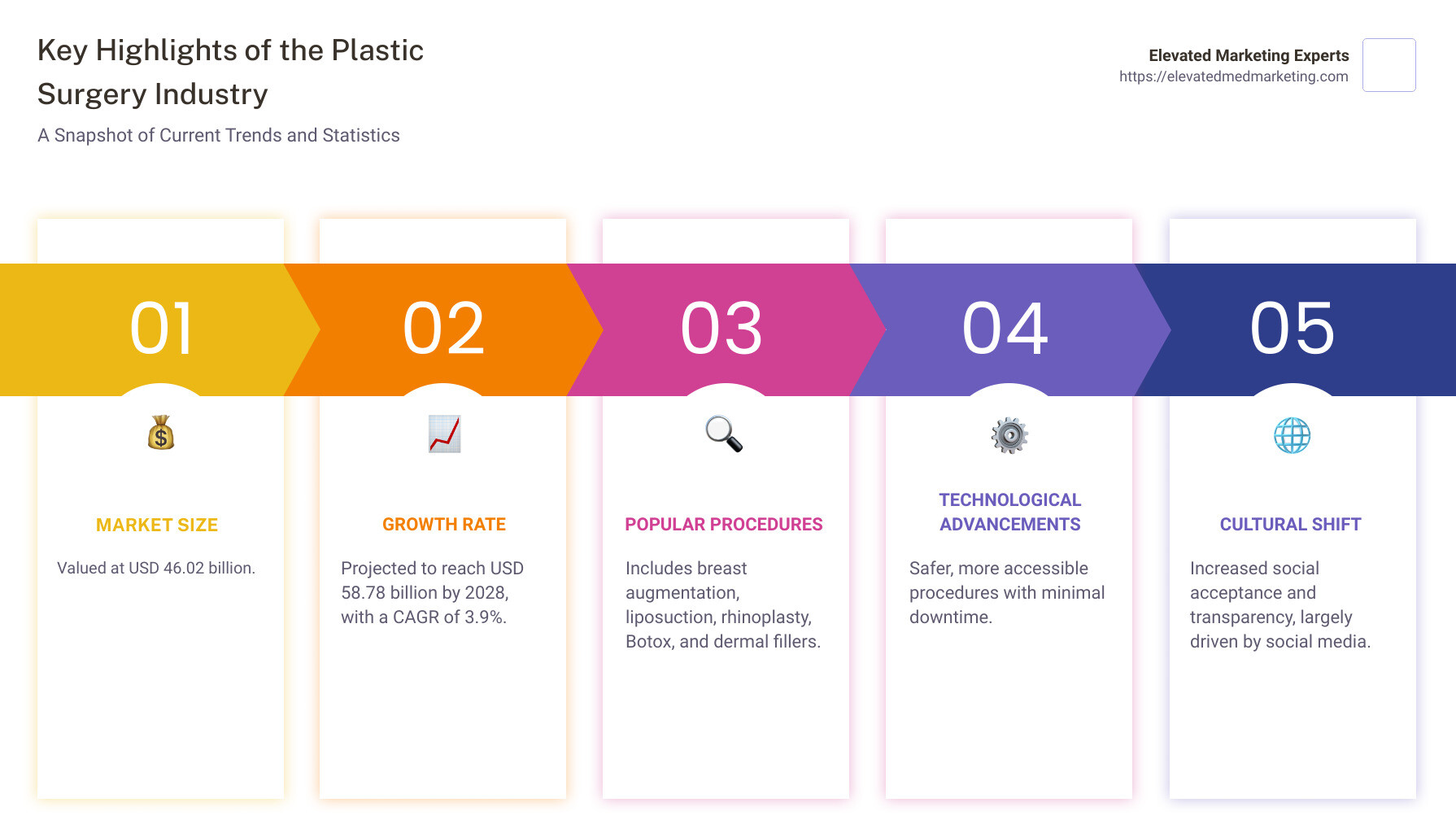
Key Highlights of the Plastic Surgery Industry:
- Market Size: Currently valued at approximately USD 46.02 billion.
- Growth Rate: Projected to reach USD 58.78 billion by 2028, with a CAGR of 3.9%.
- Popular Procedures: Breast augmentation, liposuction, rhinoplasty, Botox, and dermal fillers.
- Technological Advancements: Safer, more accessible procedures with minimal downtime.
- Cultural Shift: Increased social acceptance and transparency, largely driven by social media.
Historically, plastic surgery dates back to ancient civilizations but has only become mainstream in modern times. Surgeons now perform a myriad of procedures, from life-saving reconstructive surgeries to elective cosmetic enhancements. Over the decades, advancements in medical technology and a shift in societal attitudes have propelled the industry forward, sparking a surge in both surgical and non-surgical procedures.
Today, the plastic surgery industry is more accessible than ever, driven by rising disposable incomes, a growing aging population, and an increased focus on aesthetics. Procedures like Botox, dermal fillers, and laser therapies have gained immense popularity, offering effective results with minimal downtime. These non-invasive options attract a diverse demographic, making subtle enhancements within quick reach for many individuals.
I’m Joe Amaral, and I bring a wealth of experience from founding various businesses, including digital marketing firms. My in-depth understanding of the plastic surgery industry enables me to provide valuable insights tailored to the needs of practitioners looking to enhance their online presence.
The Rise of the Plastic Surgery Industry
The plastic surgery industry has experienced remarkable growth over the past few decades. From its early days, shrouded in secrecy and stigma, to its current status as a mainstream option for self-enhancement, the industry has come a long way.
Market Size and Valuation
The global cosmetic surgery market has seen substantial expansion. In 2022, the market was valued at USD 55.68 billion and is projected to reach USD 75.20 billion by 2030, with a Compound Annual Growth Rate (CAGR) of 3.9% from 2023-2030. Another report by Allied Market Research suggests an even more optimistic forecast, with the market expected to hit $201.0 billion by 2031, growing at a CAGR of 11.6% from 2022 to 2031.
Technological Advancements
Technological innovations have been a driving force behind the industry’s growth. New products and procedures have made cosmetic surgery safer and more effective. For instance, Cynosure launched the Elite iQ aesthetic workstation in June 2020 for laser hair removal and skin revitalization. Additionally, Johnson & Johnson received FDA approval for the Mentor MemoryGel Boost Breast Implant in January 2021, showcasing the continuous advancements in surgical products.
Social Acceptance
Social acceptance of cosmetic procedures has also played a significant role in the industry’s rise. In the past, plastic surgery was often seen as a taboo subject. However, the narrative has changed dramatically in recent years. Influencers and celebrities openly sharing their surgical journeys on platforms like Instagram have demystified these procedures, making them more approachable and acceptable.
According to the American Society for Aesthetic Plastic Surgery, there has been a 446% increase in cosmetic procedures since 1997, with a notable 17% increase in men opting for these surgeries as early as 2007. This shift indicates a broader acceptance across different demographics, breaking down previous stereotypes associated with cosmetic surgery.
Factors Driving Growth
Several factors contribute to the ongoing growth of the plastic surgery industry:
Technological Innovations: Advanced techniques and safer procedures attract a larger audience.
Social Media Influence: Platforms like Instagram provide a space for users to share their experiences and results, influencing potential patients.
Changing Beauty Standards: Evolving perceptions of beauty and self-care drive more people to seek cosmetic enhancements.
Increased Accessibility: More clinics and financing options make cosmetic procedures accessible to a wider demographic.
Conclusion
The rise of the plastic surgery industry is a testament to the interplay between technological advancements and shifting societal attitudes. As technology continues to evolve and social acceptance grows, the industry is poised for even more significant growth in the coming years. This leads us into the next section, where we will explore the current trends shaping the industry.
Current Trends in the Plastic Surgery Industry
The plastic surgery industry is experiencing dynamic changes, driven by technological advancements, social media influence, and the COVID-19 pandemic. Let’s delve into the key trends shaping the industry today.
Popular Procedures
Several procedures have emerged as favorites among patients:
Liposuction: This procedure saw a 23% rise in 2022 compared to 2019. It involves removing excess fat deposits to improve body contours.
Breast Augmentation: Always popular, this procedure involves implants or fat transfer to enhance breast size and shape.
Abdominoplasty (Tummy Tuck): Up by 37% since 2019, this procedure removes excess skin and fat from the abdomen while tightening muscles.
Eyelid Surgery: This procedure addresses drooping eyelids and puffiness, offering a more youthful appearance.
Neuromodulator Injections: Treatments like Botox remain popular for reducing wrinkles and fine lines.
Social Media Influence
Social media, especially Instagram, has revolutionized the plastic surgery industry. With over 1.4 billion users, Instagram offers a platform for surgeons to showcase their work and engage with potential patients.
Patient Transparency: Patients often share their cosmetic surgery experiences on Instagram, using hashtags to link their posts to specific providers. This transparency helps others make informed decisions.
Hashtags and Influencer Marketing: Hashtags like #plasticsurgery and #cosmeticprocedure make it easy for users to find relevant content. Influencers also play a significant role by promoting procedures and sharing their results.

COVID-19 Impact
The pandemic has significantly impacted the plastic surgery industry in several ways:
Work-from-Home Recovery: Many people took advantage of working from home to undergo procedures, as it allowed for easier recovery without taking extended leave from work.
Post-Pandemic Trends: The industry saw a 19% increase in cosmetic procedures since 2019. People are more willing to invest in procedures that improve their appearance and boost their confidence.
Increased Flexibility: With more flexible schedules and possibly more disposable income due to fewer travel expenses, many opted for cosmetic enhancements.
Dr. Heather Lee from the Quatela Center noted, “Patients have more time and maybe some more expendable income. There’s something about the pressing of now and having control and autonomy of that.”

These trends highlight the evolving nature of the plastic surgery industry. As technology advances and societal attitudes shift, the industry will continue to grow and adapt. This leads us to the next section, where we will explore the global landscape of plastic surgery.
Global Plastic Surgery Landscape
Leading Countries
When it comes to the plastic surgery industry, certain countries lead the way. The United States is a top player, performing over 4 million cosmetic surgery procedures in 2018 alone. Brazil and Mexico follow closely, each conducting more than 1 million procedures in the same year.
However, South Korea stands out when looking at plastic surgery procedures per capita. Approximately one in five individuals in South Korea has undergone plastic surgery. This high rate is largely driven by societal norms and the significant emphasis on beauty standards.
Regional Market Shares
The global plastic surgery market is divided into several key regions, each with its own unique characteristics and market dynamics.
North America holds the largest share, accounting for 31.33% of the market in 2022. The United States, in particular, has a strong presence due to its advanced healthcare infrastructure and high disposable incomes. This region is also known for its cultural acceptance of cosmetic procedures, further driving market growth.
In Europe, the market is also robust, with countries like Germany and the United Kingdom being major contributors. The region benefits from a combination of advanced medical facilities and a growing awareness of aesthetic procedures.
Asia-Pacific is another significant region, driven by countries like South Korea and Japan. South Korea, in particular, is renowned for its high per capita rate of plastic surgeries. Medical tourism also plays a crucial role in this region, attracting patients from all over the world seeking high-quality yet affordable procedures.
While Latin America may not hold as large a market share as North America or Europe, countries like Brazil and Mexico are notable for their high number of procedures. These countries have become popular destinations for medical tourism, offering a range of surgical and non-surgical options at competitive prices.
These regional dynamics highlight the diverse and expanding nature of the plastic surgery industry. Each region has its own strengths and unique market drivers, contributing to the global growth and evolution of this sector.
Future Outlook of the Plastic Surgery Industry
Market Projections
The plastic surgery industry is poised for significant growth. In 2022, the market was valued at USD 55.68 billion and is projected to reach USD 75.20 billion by 2030, with a CAGR of 3.9% during 2023-2030. Another study suggests an even more optimistic outlook, predicting the market will reach $201.0 billion by 2031, growing at a CAGR of 11.6% from 2022 to 2031.
These projections underscore the increasing demand for both surgical and minimally invasive procedures. The rising acceptance of plastic surgery and advancements in medical technology are key drivers behind this growth.
Technological Innovations
Technological advancements are revolutionizing the plastic surgery industry. Here are some key innovations:
- 3D Imaging and Virtual Reality (VR): These technologies provide realistic simulations of post-surgery appearances. This enhances the consultation process, allowing patients to visualize results before undergoing procedures.
- Artificial Intelligence (AI): AI-assisted surgical techniques are improving the precision and outcomes of surgeries. AI can help in pre-operative planning and even during surgery for more accurate results.
- Minimally Invasive Techniques: Procedures like lip augmentation with fillers and neuromodulator injections (e.g., Botox) are becoming increasingly popular. These treatments offer quicker recovery times and less discomfort, attracting a broader range of patients.
- FDA Approvals: New products and devices are continuously being approved by the FDA, ensuring safer and more effective treatments. For example, breast implants and dermal fillers have seen significant advancements in terms of safety and durability.
Emerging Trends
Several trends are shaping the future of the plastic surgery industry:
- Personalization: There’s a growing emphasis on personalized care. Surgeons are tailoring procedures to meet individual aesthetic goals, leading to higher patient satisfaction.
- Social Media Influence: Platforms like Instagram play a crucial role in shaping public perception and demand for plastic surgery. Patients often share their before-and-after photos, which can influence others to opt for similar procedures.
- Ethics and Transparency: As the industry grows, there’s a stronger focus on ethical practices and transparency. Surgeons are prioritizing honest representation of results and maintaining patient confidentiality.
- Patient-Centric Care: Building strong doctor-patient relationships and providing comprehensive pre- and post-operative care are becoming standard practices.
These innovations and trends are not just enhancing the effectiveness and safety of procedures but also making plastic surgery more accessible and acceptable to a broader audience.
The future of the plastic surgery industry looks promising, with continuous advancements and a focus on personalized, patient-centric care.
Frequently Asked Questions about the Plastic Surgery Industry
What is the cosmetic surgery industry?
The cosmetic surgery industry focuses on enhancing a person’s appearance through surgical and non-surgical procedures. This industry includes a wide range of treatments, from liposuction and breast augmentation to neuromodulator injections and skin revitalization. It operates predominantly in the private sector, with procedures performed in specialized clinics and medical spas. While some cosmetic procedures are available through public health systems like the NHS, they are typically limited to cases where the surgery is deemed medically necessary.
Is plastic surgery part of the beauty industry?
Yes, plastic surgery is closely linked to the beauty industry. It overlaps with the fashion and cosmetic sectors as it caters to individuals looking to enhance their physical appearance. However, it is also firmly rooted in the medical industry. Procedures are performed by trained medical professionals, and many cosmetic products require FDA approvals and adhere to strict safety standards. This dual nature makes plastic surgery a unique intersection of beauty and medicine.
What is the demand for plastic surgery?
The demand for plastic surgery has seen remarkable growth over the years. According to the American Society for Aesthetic Plastic Surgery, there has been a 446% increase in cosmetic procedures since 1997. This surge is partly due to the influence of social media platforms like Instagram, where users can easily access information about procedures and view results.
The market is projected to continue growing. For instance, Fortune Business Insights reports that the global cosmetic surgery market is expected to reach USD 75.20 billion by 2030, with a CAGR of 3.9% from 2023 to 2030. Another report by Allied Market Research suggests an even more optimistic forecast, with the market expected to hit $201.0 billion by 2031, growing at a CAGR of 11.6% from 2022 to 2031.
These statistics highlight the increasing acceptance and popularity of cosmetic procedures, driven by technological advancements, changing beauty standards, and the growing emphasis on self-improvement.
Conclusion
The plastic surgery industry has experienced significant growth and transformation over the years. From its early beginnings to the advanced, minimally invasive procedures we see today, the industry has come a long way. The market is projected to continue growing, with estimates suggesting it could reach up to $201 billion by 2031. This growth is fueled by technological advancements, changing beauty standards, and the increasing social acceptance of cosmetic procedures.
Industry Resilience
Despite challenges such as ethical concerns, patient safety issues, and the impact of COVID-19, the plastic surgery industry has shown remarkable resilience. The pandemic may have temporarily slowed down elective procedures, but the industry quickly adapted. With the rise of work-from-home setups, many individuals found it easier to recover from procedures without taking extended leave from work.
Elevated Digital Marketing
In this evolving landscape, Elevated Digital Marketing plays a crucial role. We help plastic surgery practices navigate the digital world, ensuring they reach their target audience effectively. Our expertise in content strategy, social media marketing, and data analytics enables practices to stand out in a competitive market. With a focus on personalized and ethical marketing, we help practices build trust and credibility with their patients.
For more on how we can help your practice thrive, visit our Plastic Surgery Digital Marketing page.
Future Growth Potential
Looking ahead, the future of the plastic surgery industry is bright. Technological innovations such as AI, virtual reality, and advanced surgical techniques promise to make procedures safer and more effective. As societal attitudes continue to evolve, we can expect even greater acceptance and demand for cosmetic procedures.
In summary, the plastic surgery industry is poised for significant growth. With continued advancements in technology and a focus on personalized care, the industry will continue to thrive, offering individuals the opportunity to enhance their appearance and boost their confidence.


