

Crafting the Perfect Plastic Surgery Ad: Tips for Success
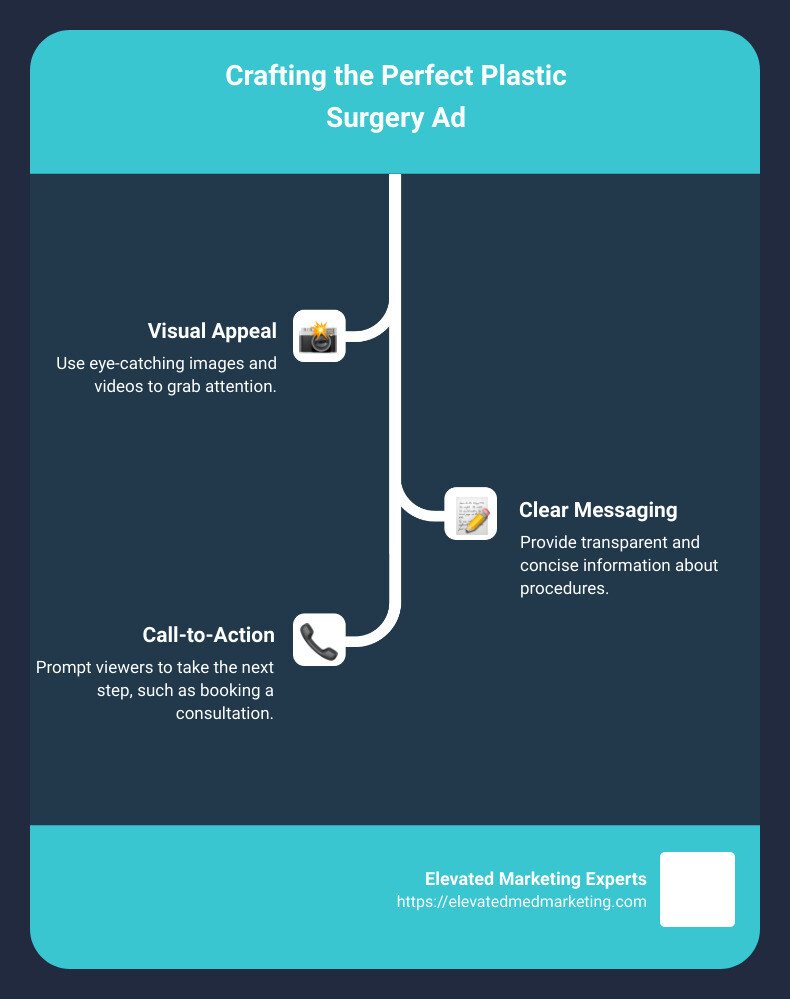
When creating a plastic surgery ad, it’s crucial to grab attention and build trust with potential clients. Here are three essential elements to include:
- Visual Appeal: Eye-catching images and videos
- Clear Messaging: Transparent and concise information about procedures
- Call-to-Action: Prompt viewers to take the next step, like booking a consultation
Creating an effective plastic surgery ad involves more than just pretty pictures and persuasive words. It requires understanding your audience’s needs and concerns while adhering to advertising regulations. Let’s dig into the foundational aspects of crafting an ad that not only draws attention but also converts inquiries into booked consultations.
My name is Joe Amaral. With a background in digital marketing and a passion for helping businesses like yours thrive, I’ve seen how a well-crafted plastic surgery ad can make all the difference.
Understanding Your Audience
To create a compelling plastic surgery ad, you need to understand your audience deeply. Knowing who your potential patients are, what they need, and how they think is crucial for crafting ads that resonate and drive action. Let’s break it down into three key areas: target demographics, patient needs, and audience segmentation.
Target Demographics
First, identify the main groups interested in plastic surgery. Generally, these include:
- Age Groups: Most plastic surgery patients fall between the ages of 18-65. Younger adults may seek procedures like rhinoplasty, while older adults might be more interested in facelifts or Botox.
- Gender: While women make up the majority of plastic surgery patients, the number of men seeking cosmetic procedures is on the rise. Understanding the different needs and concerns of each gender is key.
- Income Level: Plastic surgery is often expensive, so your target audience is likely to have a higher disposable income. This could include professionals, business owners, and those in high-paying industries.
Patient Needs
Understanding what drives people to seek plastic surgery helps in crafting messages that speak directly to their motivations and concerns. Key motivations include:
- Improving Quality of Life: Many consumers opt for elective procedures to enhance their quality of life.
- Appearance Changes: A significant portion is motivated by the desire to change their appearance.
- Health and Wellness: Some patients seek plastic surgery as part of a broader health and wellness plan.
Audience Segmentation
Segmenting your audience allows you to tailor your ads to specific groups, making them more effective. Here are a few ways to segment your audience:
- By Procedure: Different procedures attract different demographics. For example, younger women may be more interested in breast augmentation, while older men may seek hair transplants.
- By Motivation: Some patients are driven by aesthetic improvements, while others may seek surgery for medical reasons. Tailor your messaging to address these distinct motivations.
- By Geographic Location: Localizing your ads can make them more relevant. Highlight your clinic’s proximity and convenience to attract local patients.
Understanding your audience is the cornerstone of any successful plastic surgery ad. Once you know who you’re talking to, addressing their needs and segmenting your audience effectively can make your ads more impactful and drive better results.
Key Elements of a Successful Plastic Surgery Ad
Creating a plastic surgery ad that stands out involves several key elements. Let’s break them down:
Visual Appeal
Visuals are crucial. High-quality images and videos grab attention and build trust. Crisp, clear photos show your commitment to quality.
Clear Messaging
Your message should be straightforward and easy to understand. Avoid jargon. Use simple language to explain what you offer and why it’s beneficial. For example, instead of saying “rhinoplasty,” say “nose reshaping surgery.”
Call-to-Action (CTA)
A strong call-to-action can guide potential clients toward taking the next step. Whether it’s scheduling a consultation or requesting more information, make sure your CTA stands out.
Patient Testimonials
Real stories from real patients can significantly boost your credibility. Sharing testimonials—especially those that include before-and-after photos—can make your practice more relatable and trustworthy. Authenticity is key here. Consider using video testimonials for a more engaging experience.
Before-and-After Photos
Before-and-after photos are a powerful tool. They visually demonstrate the effectiveness of your procedures. Ensure that these photos are high-quality and show a clear, dramatic change. This not only builds trust but also sets realistic expectations for potential clients.
Incorporating these elements into your plastic surgery ad will make it more effective and engaging.
Digital Advertising Strategies for Plastic Surgeons
Social Media Marketing
Social media platforms like Facebook and Instagram are essential for reaching your audience. Social media marketing allows you to engage with potential clients where they spend a lot of their time.
Tips:
- Create engaging content: Use a mix of educational posts, patient testimonials, and promotional offers.
- Leverage video: Document day-to-day activities, share pre- and post-op routines, and provide helpful tips.
- Engage with followers: Respond to comments and messages to build trust and relationships.
PPC Campaigns
Pay-Per-Click (PPC) campaigns are a quick way to boost your visibility. Platforms like Google Ads allow you to target specific keywords related to plastic surgery.
Benefits:
- Immediate results: Unlike SEO, PPC gives you instant visibility.
- Targeted reach: You can focus on specific demographics, locations, and even times of day.
- Measurable: Track performance and adjust your strategy in real-time.
SEO (Search Engine Optimization)
SEO is crucial for organic traffic. It ensures your website appears on the first page of search engine results when potential clients search for plastic surgery services.
Strategies:
- Keyword optimization: Use relevant keywords like “plastic surgery,” “cosmetic surgeon,” and specific procedures.
- Quality content: Regularly update your blog with informative articles about procedures, aftercare, and patient stories.
- Local SEO: Optimize for local searches by creating a Google My Business profile and collecting positive reviews.
Google Ads
Google Ads is a powerful tool for reaching people actively searching for plastic surgery services.
Advantages:
- High intent: Users searching for specific procedures are likely ready to book.
- Customizable: Adjust bids, keywords, and ad copy to maximize ROI.
- Local targeting: Focus your ads on specific geographic areas for better results.
Facebook Ads
Facebook Ads offer robust targeting options and are great for building brand awareness.
Best Practices:
- Custom Audiences: Target previous website visitors or those who have engaged with your content.
- Lookalike Audiences: Reach new people who are similar to your best existing customers.
- Ad formats: Use carousel ads to showcase before-and-after photos or video ads for testimonials.
Instagram Ads
Instagram Ads are perfect for visual storytelling. Given Instagram’s restrictions, ensure your ads comply with their guidelines, especially for age-sensitive content.
Tips:
- High-quality visuals: Use stunning images and videos to capture attention.
- Influencer partnerships: Collaborate with influencers who can authentically promote your services.
- Stories and Reels: Use these features for more dynamic and engaging content.
By integrating these digital advertising strategies, you can effectively reach and engage with your target audience, driving more traffic to your practice. Next, we’ll discuss how to leverage social media for even greater impact.
Leveraging Social Media for Plastic Surgery Ads
Instagram Restrictions
Instagram has implemented new restrictions on posts related to diet products and cosmetic surgery. Ads promoting weight loss products or cosmetic procedures that include an incentive to buy or a price must be targeted at users over 18 years old. This change is crucial to protect younger, impressionable users.
Tips:
- Targeted Ads: Make sure your ads are set to reach users 18 and older.
- Compliant Content: Avoid “miraculous” claims about procedures to comply with Instagram’s guidelines.
Facebook Groups
Facebook groups offer a powerful way to build a community around your practice. Engaging with potential patients in these groups can help you establish trust and credibility.
Tips:
- Create a Group: Start a group focused on plastic surgery tips and support.
- Engage Regularly: Answer questions, share success stories, and provide valuable information.
- Promote Events: Use the group to announce webinars, Q&A sessions, or special offers.
Content Marketing
Creating valuable and informative content can help attract and retain potential clients. Blog posts, videos, and infographics about plastic surgery can position you as an expert in the field.
Tips:
- Educational Content: Write blog posts about pre- and post-surgery care, common procedures, and patient testimonials.
- Shareable Posts: Make it easy for your audience to share your content on social media.
- Regular Updates: Keep your content fresh and up-to-date to maintain engagement.
Influencer Partnerships
Partnering with influencers can significantly boost your reach. Influencers who align with your brand can authentically promote your services to their followers.
Case Study:
Carolina Age Management Institute successfully used influencer partnerships to promote their services, resulting in increased brand awareness and client inquiries.
Tips:
- Choose Wisely: Select influencers whose audience matches your target demographic.
- Authentic Promotion: Ensure the influencer’s promotion feels genuine and not forced.
- Track Results: Measure the impact of influencer partnerships on your brand’s reach and engagement.
By leveraging these social media strategies, you can effectively engage with your target audience and grow your plastic surgery practice. Next, we’ll explore the legal and ethical considerations you need to keep in mind.
Legal and Ethical Considerations
When creating a plastic surgery ad, it’s crucial to follow legal and ethical guidelines. This ensures your ads are not only effective but also compliant with regulations.
Advertising Regulations
New Guidelines: As of July 1, 2023, the Medical Board of Australia has implemented new guidelines specifically for advertising cosmetic surgery. These guidelines aim to protect patients by ensuring that ads are honest, balanced, and realistic.
Key Points:
- Honesty: Ads should not exaggerate the benefits or downplay the risks of procedures.
- Balance: Present both the pros and cons of a procedure.
- Realism: Avoid making promises that are not achievable.
For more details, you can refer to the Medical Board’s guidelines.
Age Restrictions
Certain services, such as weight loss treatments, laser treatments, and injectables, must be advertised only to individuals aged 18 and older. This is to protect younger audiences from making impulsive decisions about their bodies.
Platforms with Age Restrictions:
- Facebook: Ads for cosmetic procedures must target users aged 18+.
- Instagram: Similar restrictions apply, ensuring that sensitive content is not shown to minors.
Truthful Representation
Your ads must provide truthful and accurate information. Misleading ads can not only harm your reputation but also lead to severe penalties.
Avoid:
- False Claims: Don’t claim that a procedure is “risk-free” or “guaranteed to work.”
- Manipulated Images: Ensure before-and-after photos are genuine and not digitally altered.
Patient Consent
Before using any patient images or testimonials in your ads, obtain explicit consent. This is not just ethical but also a legal requirement.
Steps to Ensure Consent:
- Written Agreement: Have patients sign a consent form allowing you to use their images and testimonials.
- Clear Communication: Explain how their images will be used and where they will appear.
Example: Carolina Age Management Institute effectively uses patient testimonials in their ads, ensuring each patient has provided written consent.
By adhering to these legal and ethical considerations, you can create effective and compliant plastic surgery ads. Next, we’ll address some frequently asked questions about plastic surgery ads.
Frequently Asked Questions about Plastic Surgery Ads
What are the most effective platforms for plastic surgery ads?
Google, Facebook, and Instagram are the top platforms for plastic surgery ads. Each has unique benefits:
- Google: Offers extensive reach through search ads and display networks. It’s great for targeting users actively searching for plastic surgery services.
- Facebook: Excellent for demographic targeting and creating engaging ads. Facebook groups also help build a community around your practice.
- Instagram: Perfect for visual content. Use it to showcase before-and-after photos, patient testimonials, and educational videos.
How can I ensure my plastic surgery ad complies with regulations?
Compliance is crucial to avoid penalties and maintain trust. Follow these steps:
- Understand Advertising Rules: Familiarize yourself with the guidelines for medical practitioners who advertise cosmetic surgery. These guidelines emphasize honest, balanced, and informative advertising.
- Age Restrictions: Target ads for services like weight loss and dermal fillers to users aged 18 and above.
- Truthful Representation: Avoid exaggerated claims. Ads should reflect realistic outcomes and potential risks.
- Patient Consent: Always obtain written consent before using patient images or testimonials.
What should I include in a plastic surgery ad to attract more clients?
To make your plastic surgery ad stand out, include these elements:
- Visuals: High-quality before-and-after photos and videos. These visuals help potential clients see the results they can achieve.
- Testimonials: Share real patient experiences. Authentic testimonials build trust and credibility.
- Call-to-Action (CTA): Encourage immediate action. Phrases like “Book a Free Consultation” or “Learn More” can drive engagement.
By leveraging these platforms and adhering to regulations, you can create effective, compliant, and engaging plastic surgery ads.
Conclusion
At Elevated Marketing Experts, we understand the unique challenges of marketing in the plastic surgery industry. With our extensive industry experience, we have helped numerous practices attract, convert, and retain patients through effective digital marketing solutions.
Our team specializes in creating comprehensive marketing strategies custom to your practice’s specific needs. From SEO-optimized content creation to engaging social media campaigns, we cover all aspects of digital marketing to ensure your practice stands out.
We also stay ahead of emerging trends and technologies to provide cutting-edge solutions. Whether it’s leveraging AI for personalized marketing or using VR for realistic post-surgery simulations, we ensure your practice is at the forefront of innovation.
Partner with us to lift your plastic surgery practice to new heights. Visit our Plastic Surgery Digital Marketing page to learn more about how we can help you achieve unparalleled growth and success.
By choosing Elevated Marketing Experts, you’re not just investing in marketing; you’re investing in the future of your practice. Let’s work together to create the perfect plastic surgery ad and drive your practice forward.


