

Patient acquisition strategies: Top 10 Proven Tactics 2025
Why Patient Acquisition Strategies are Essential in Today’s Healthcare Market
Patient acquisition strategies involve methods healthcare providers use to attract and convert new patients. Here are the critical strategies to improve acquisition quickly:
- Optimize Your Online Presence: Ensure your website is user-friendly, mobile-responsive, and optimized for local SEO.
- Leverage Digital Marketing: Use SEO, targeted online ads, and meaningful content that addresses patient needs.
- Manage Your Online Reputation: Encourage positive reviews and professionally respond to negative feedback.
- Use Educational Content and Webinars: Engage potential patients by providing valuable information that builds trust.
- Implement Innovative Technologies: Adopt telemedicine, automated booking, and patient portals to streamline interactions.
Picture this: You’re investing money in online ads, updating your website, posting regularly on social media, and managing patient reviews, but as one frustrated healthcare marketer put it:
“Potential patients still seem to slip through the cracks.”
If that sounds familiar, you’re not alone. Today’s healthcare market is competitive. Patients are digitally savvy consumers. They research online reviews, ask friends for recommendations, and expect seamless technology when booking appointments. If your practice doesn’t meet these expectations, you’re likely losing patients.
Understanding how to effectively attract new patients isn’t a nice-to-have—it’s essential. Whether you’re a plastic surgeon looking to book more consultations or a medical spa owner aiming to stand out in a busy urban area, mastering these strategies is crucial to your success.
I’m Joe Amaral, and my experience building successful digital marketing businesses has shown me the critical role that patient acquisition strategies play. Now on my third startup, I continue to help healthcare providers leverage these strategies to attract and retain patients effectively.

Patient acquisition strategies glossary:
- Advanced segmentation techniques
- Google Ads budget optimization
Understanding Patient Acquisition
Patient acquisition is simply the process healthcare providers use to attract and convert new patients. Think of it as everything your practice does—from the moment a potential patient first learns about you online, through digital marketing efforts, all the way to scheduling their very first appointment.
In today’s competitive healthcare market, having strong patient acquisition strategies isn’t just helpful—it’s essential. While about 87.6% of people already have a usual healthcare provider, that leaves a significant 12.4% of potential patients actively looking for new medical practices. Even current patients may switch providers if they find better care, more convenient services, or specialized treatment options elsewhere. Your practice needs effective strategies to attract and win over these individuals.
Patient acquisition goes beyond simply filling empty appointment slots. It’s about sustainable growth: building a loyal patient base who will keep your practice thriving long into the future. When done right, acquisition lays a solid foundation for lasting patient relationships, fueling steady growth and increased revenue for your practice.

Patient Acquisition vs. Patient Retention
Patient acquisition and patient retention often get grouped together—but they’re not quite the same thing. Acquisition is about attracting new people to your practice, while retention focuses on keeping existing patients happy and loyal.
When comparing the two, patient acquisition is usually more expensive—typically costing anywhere from 5 to 25 times more than retaining existing patients! Acquisition drives your initial growth and expansion, while retention creates stable, predictable revenue over time.
To put it simply: patient acquisition marketing highlights your unique services and benefits to new patients. Meanwhile, retention marketing emphasizes relationships and ongoing care to encourage existing patients to keep coming back.
| Patient Acquisition | Patient Retention |
|---|---|
| Focuses on attracting new patients | Focuses on keeping existing patients |
| Higher cost (5-25x more expensive) | More cost-effective |
| Drives initial growth and expansion | Provides stable, predictable revenue |
| Marketing emphasizes services and unique benefits | Marketing emphasizes relationship and ongoing care |
| Success measured by new patient numbers and acquisition cost | Success measured by patient lifetime value and retention rate |
As one healthcare marketing expert cleverly put it, “Patient retention is a referendum on the effectiveness of patient acquisition marketing.” In other words, your retention rate shows whether your practice delivered on the promises made during the acquisition stage. (No pressure!)
Studies consistently show that improving patient retention by just 5% can boost profits by an impressive 25% to 95%. Clearly, retention is incredibly cost-effective, but that doesn’t mean you can afford to neglect acquiring new patients. Both patient acquisition and retention need to work hand-in-hand.
Think of patient acquisition as a free trial subscription—it’s your opportunity to show new patients exactly what you’re made of. Patient retention, on the other hand, is about earning their ongoing loyalty. Your patient acquisition strategies should set realistic expectations and highlight the exceptional care your patients will receive.
At Liftd Marketing Experts, we understand this delicate balance. We help aesthetic and wellness practices craft patient acquisition plans that seamlessly blend into their overall patient experience, ensuring new patients stay loyal long after their first visit.
Key Patient Acquisition Strategies
Optimize Your Online Presence
Think of your online presence as the digital version of your practice’s front door. A whopping 90% of people use the internet to find local businesses—including their healthcare providers. That means your website and online presence aren’t just nice-to-haves—they’re absolute essentials for attracting new patients.
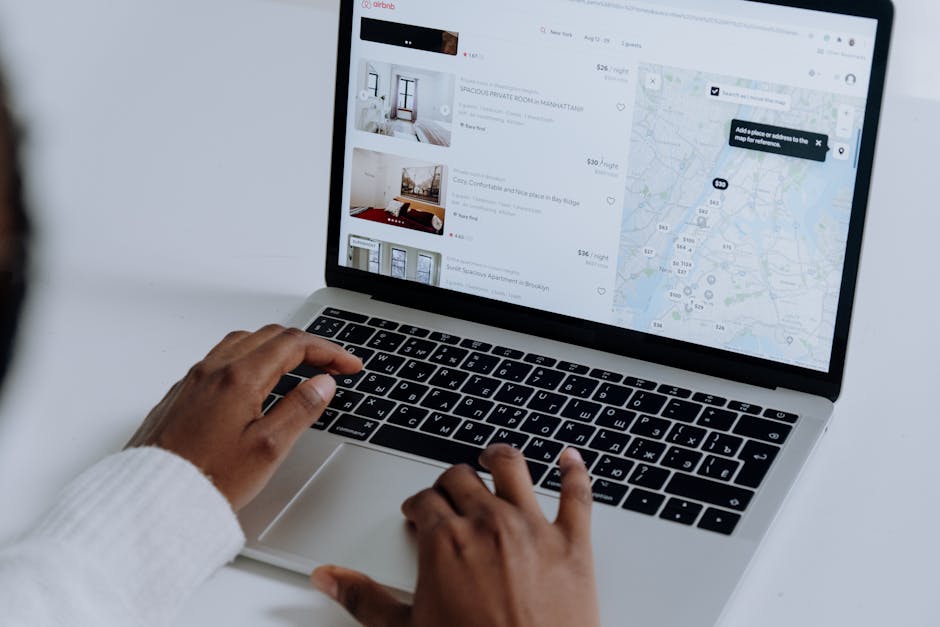
Your website is the cornerstone of your digital presence, but not just any website will do. Did you know that more than 73% of visitors leave websites due to poor mobile responsiveness? Yep, that’s right—your site needs to work smoothly on phones and tablets, or potential patients will simply click away.
Besides being mobile-friendly, your website should load quickly—every extra second of delay can cause a 7% drop in conversions. Yikes! Make sure visitors can quickly find what they need with clear, intuitive navigation. Feature prominent calls-to-action like “Book Your Appointment Today” right where your visitors can easily see them.
Include helpful details about your services, showcase your providers’ credentials, and don’t forget to offer online appointment booking. Research shows that 64% of Gen Xers and 58% of millennials would switch providers just to book appointments online. And bonus: it can reduce your administrative workload by up to 70% and lower no-shows by 34%. That’s a win-win!
Your website isn’t just a fancy digital brochure—it’s designed to convert visitors into patients around the clock. For plastic surgeons and medical spas, this becomes even more important. Patients in aesthetics expect to see before-and-after galleries, video testimonials, and a polished, professional look that matches the quality of your services. At Liftd Marketing Experts, we specialize in creating beautiful websites that not only look great but also bring in more consultations.
Leverage Digital Marketing
Digital marketing might sound complicated, but it’s simply about using the internet to reach and attract potential patients. It includes things like SEO, pay-per-click ads, and content marketing.
Search Engine Optimization (SEO) helps you rank higher in search results when people look for services you offer. Considering that one out of every five Google searches is healthcare-related, investing in SEO is essential. Local SEO is especially important because 72% of people searching for a local business will visit within five miles. (Talk about convenience!)
Pay-Per-Click (PPC) advertising, like Google Ads, can quickly put your practice in front of people actively searching for your services. It’s incredibly targeted, and when done right, can deliver a great return on your investment. One healthcare case study found a massive 2,150% ROI with a patient acquisition cost of just $40 per patient. Not too shabby!

Content marketing is another powerful tool. By creating helpful blogs, videos, and articles that answer common questions, your practice becomes a trusted resource. For example, plastic surgeons might share content about what to expect during recovery, while medical spas can explain the benefits of specific treatments.
To achieve the best results, it’s important to use multiple channels together. In fact, marketers who combine four or more digital channels can see up to 300% more effectiveness compared to sticking with just one.
At Liftd Marketing Experts, we create custom digital marketing strategies specifically for aesthetic practices like yours. Our approach seamlessly integrates SEO, PPC advertising, and content marketing to attract more qualified leads directly to your practice.
Manage Online Reviews and Reputation
Did you know 94% of patients read online reviews when choosing a healthcare provider? That’s pretty much everyone! In fact, 88% trust online reviews just as much as personal recommendations, and nearly half of patients would be willing to go out-of-network for a provider with outstanding online feedback.

You can actively manage your online reputation by encouraging happy patients to leave positive reviews. Automated requests sent after an appointment, friendly reminders from staff, and making the review process simple (think direct links) can significantly boost your ratings.
Of course, negative reviews sometimes happen, but don’t panic. Handle them professionally by thanking the patient for their feedback, offering a sincere but general apology (to protect their privacy), and providing contact information to resolve the issue offline. Ironically, a thoughtful response to a negative review can actually improve your reputation by showing your genuine care for patient satisfaction.
For plastic surgeons and medical spas, visual platforms like Instagram and RealSelf are particularly powerful. Encouraging satisfied patients to share their experiences and results (with proper consent, of course!) can greatly boost your credibility.
Use Local SEO
Healthcare is inherently local. Patients typically seek providers close to home or work, so appearing in local search results is vital. That’s where local SEO shines—especially your Google Business Profile (formerly called Google My Business).

Claim and verify your profile, keep your hours and services updated, and add high-quality photos of your staff and facility. Then, use local keywords (like “plastic surgeon in [your city]”) in your website content, and make sure your practice details are consistent across directories like Healthgrades, Yelp, and Zocdoc.
One aesthetic clinic in Melbourne saw a 156% boost in local visibility after implementing local SEO—resulting in more patient inquiries. At Liftd Marketing Experts, we know exactly how to make your practice stand out locally, driving new patients right to your digital doorstep.
Engage Patients Through Educational Content and Webinars
Providing valuable information through educational content and webinars is an excellent way to build trust and authority—important factors when patients choose providers. Blog articles, videos, infographics, and FAQ pages can answer common patient questions and ease concerns.
Webinars are especially powerful because they allow you to engage directly with potential patients. Attendees can hear from providers, ask questions, and gain confidence in your expertise—all before stepping through your office doors.

A recent study found practices using webinars saw a 157% increase in organic traffic compared to those relying solely on traditional content. Liftd Marketing Experts can help you create dynamic webinars and educational content that attract and convert your ideal patients.
Harness the Power of Social Media
Social media isn’t just for cat photos and funny memes—it’s a powerful channel for healthcare practices. A whopping 95% of consumers say social media effectively connects them with healthcare providers.

For aesthetic practices, Instagram and Facebook are particularly effective thanks to their visual nature. Showcase your results (with patient consent), behind-the-scenes glimpses, and engaging educational content that resonates with your audience. Consistency, authenticity, and respectful patient privacy go a long way toward turning followers into actual patients.
At Liftd Marketing Experts, we craft custom social media strategies specifically designed to help your aesthetic practice shine online.
By using these patient acquisition strategies, you’ll build a thriving practice that reliably brings in new patients. At Liftd Marketing Experts, we’re here to help you achieve that growth every step of the way.
Measuring and Optimizing Patient Acquisition Efforts
Once you’ve implemented your patient acquisition strategies, you’re off to a great start—but the work doesn’t end there! To truly succeed in attracting new patients, you’ve got to track, measure, and continually fine-tune your approach.
Data can seem overwhelming at first, but it’s actually your best friend when it comes to improving your results. By paying close attention to key metrics, you’ll clearly see what’s effective and what’s falling flat. Then you’ll know exactly where to ramp up your efforts—and where it’s time to make some tweaks.

One essential metric is Patient Acquisition Cost (PAC). This figure tells you how efficiently you’re acquiring new patients. Simply divide your total marketing expenses by the number of new patients you gain. For example, if you spend $7,250 on marketing in one month and land 35 new patients, your PAC is $207. You’ll want to keep PAC significantly lower than your Patient Lifetime Value—ideally at least three times lower. Tracking PAC by different channels (like Google Ads, social media, or referrals) helps you easily pinpoint your most cost-effective methods.
Speaking of Patient Lifetime Value (PLV), this is another key number worth measuring. PLV shows you the total revenue expected from a patient throughout their relationship with your practice. To calculate this, multiply the average revenue per visit by the average visits per year and then again by the average number of years a patient stays with you. In aesthetic practices, you might adapt this calculation slightly—for example, looking at average revenue per procedure combined with how many procedures patients usually have over their lifetime. Comparing PLV to PAC can help you see whether you’re getting a healthy return on your investment. Ideally, your PLV should be at least three to five times your PAC or higher.
Another important aspect of measuring your patient acquisition strategies is tracking your conversion rates. This means figuring out how effectively you’re moving potential patients from one stage to the next in your funnel. Are visitors who land on your website actually booking consultations? Are consultations turning into scheduled procedures? Are people engaging with your social media or signing up for webinars becoming actual patients? By knowing exactly where people tend to drop off, you can smooth out friction points and make it easier for potential patients to say “yes.”
Don’t forget to look closely at your referral sources too. When new patients come in, ask them how they found you—was it through Google search, paid ads, patient referrals, professional referrals, community events, or something else? Keeping track of this information helps you invest more resources in the strategies that consistently attract the most patients and trim back on less effective tactics.
And of course, there’s Return on Investment (ROI). This valuable metric tells you exactly how much you’re gaining from each marketing initiative. If you spend $1,000 on a Google Ads campaign and generate $22,500 in new patient revenue, your ROI would be an impressive 2,150%! Monitoring ROI regularly helps you confidently invest in your highest performing campaigns.
Once you’ve gathered all this data, it’s time for the fun part—optimization. Put simply, this means doubling down on what’s working and adjusting or abandoning strategies that aren’t delivering results. Consider testing different elements like your website design, ad copy, email subject lines, or landing pages. Even small changes can make a big difference in conversions. Refine your target audience segments based on demographic or behavioral insights, so your marketing reaches the right people at the right moment. You can also adjust messaging to resonate better with specific patient groups and streamline your patient journey, removing any unnecessary problems.
If this all sounds like a lot—don’t worry! At Liftd Marketing Experts, we specialize in helping aesthetic practices gather, interpret, and act on patient acquisition data. Our team provides clear, actionable insights so you can confidently make data-driven decisions and continue growing your practice. After all, you’re busy helping patients feel their best—let us handle the data and optimization for you.
Frequently Asked Questions about Patient Acquisition Strategies
How Can Healthcare Providers Optimize Their Online Presence to Attract New Patients?
Your online presence is often the first impression potential patients have of your practice. Think of it as your digital front door – it needs to be welcoming, informative, and easy to steer.
Creating a user-friendly website is the foundation of your online presence. The statistics don’t lie – 73.1% of visitors will abandon websites that don’t work well on their mobile devices. Your site should load quickly (because nobody likes waiting), look great on phones and tablets, and clearly show what services you offer.
When it comes to being found online, implementing SEO best practices makes all the difference. With one in five Google searches being health-related, you want to make sure your practice shows up when potential patients are looking. Research keywords your ideal patients are using, create helpful content that answers their questions, and optimize those technical elements like meta descriptions that help search engines understand what your pages are about.
Modern patients expect convenience, and online scheduling delivers exactly that. It’s fascinating that 64% of Gen Xers and 58% of millennials would actually switch healthcare providers just to have the ability to book appointments online. That’s a powerful statement about changing patient expectations!
“We added online scheduling and saw a 30% increase in new patient appointments within the first month,” one practice manager told me. “Plus, our front desk staff was able to focus more on the patients actually in the office.”
Don’t forget to optimize for local search – claim your Google Business Profile, make sure your practice name, address and phone number are consistent everywhere online, and build those local citations that help Google understand you’re a trusted local business.
Throughout your site, use compelling calls-to-action that clearly guide visitors toward taking the next step, whether that’s scheduling that first appointment or requesting more information about a procedure.
For aesthetic practices especially, showcasing your expertise through before-and-after galleries, credentials, and testimonials is crucial. Potential patients want to see evidence of your work before they commit.
Finally, integrate social proof throughout your site. Websites with comprehensive testimonials and reviews experience 32% higher conversion rates – that’s because we all feel more comfortable making decisions when we see others have had positive experiences.
At Liftd Digital Marketing, we specialize in creating websites for aesthetic practices that aren’t just pretty – they’re strategic conversion tools designed to turn visitors into patients.
What Role Do Online Reviews and Reputation Management Play in Patient Acquisition?
Your online reputation can make or break your patient acquisition strategies. A staggering 94% of patients read online reviews when choosing a healthcare provider – that’s higher than almost any other industry!
Reviews matter because they serve as powerful social proof. When potential patients see others sharing positive experiences, it builds confidence in your practice. They’re looking beyond clinical outcomes to understand the entire patient experience – from how friendly your staff is to how comfortable your waiting room feels.
I spoke with a plastic surgeon who shared: “One patient told me she chose our practice specifically because of how thoughtfully we responded to a negative review. She said it showed we really cared about patient satisfaction.”
To effectively manage your online reputation, start by actively soliciting reviews from satisfied patients. The best time to ask is right after a positive appointment when their experience is fresh. Make it easy for them with direct links to your preferred review platforms.
When reviews come in – good or bad – be sure to respond to all of them. For positive reviews, a simple thank you goes a long way. For negative feedback, remember this golden rule: thank them for their feedback, apologize generally for their negative experience, and provide a way to continue the conversation privately. This approach shows you care while protecting patient privacy and avoiding HIPAA violations.
Set up systems to monitor review platforms regularly. Google reviews are essential, but don’t forget healthcare-specific sites like Healthgrades and specialty platforms like RealSelf for aesthetic practices.
The true power of reputation management comes when you address issues revealed in negative reviews. Use that feedback as free consulting to improve your practice and prevent similar problems in the future.
Don’t be shy about highlighting positive reviews on your website and social media (with permission, of course). These testimonials are marketing gold!
Finally, every patient interaction contributes to your online reputation. Training your staff on the importance of patient experience ensures that the reviews you receive reflect the care and attention you want your practice to be known for.
For plastic surgeons and medical spas, visual platforms like Instagram and RealSelf are particularly powerful for reputation building. Patient stories and images (with proper consent) create compelling narratives that prospective patients connect with emotionally.
How Can Healthcare Practices Leverage Local SEO to Improve Patient Acquisition?
When patients need healthcare, they typically look close to home. That’s why local SEO is such a powerful tool for patient acquisition strategies – it connects you with people in your area who need your services.
The cornerstone of local SEO is your Google Business Profile, which appears in 93% of local searches. This free tool is probably the most underused marketing asset I see in healthcare practices. To make it work harder for you:
First, claim and verify your listing so you control the information displayed. Then, complete all sections thoroughly – don’t leave anything blank! Choose the most specific categories that apply to your practice, as this helps Google understand exactly what services you offer.
Add high-quality photos that showcase your facility, team, and services. Patients want to see where they’ll be going before they make an appointment. Keep your hours updated, especially around holidays, and respond to all reviews promptly and professionally.
Don’t forget to post regular updates about events, new services, or special offers. These posts show up directly in Google search results and keep your profile fresh and engaging.
Consistency matters tremendously in local SEO. Ensure your Name, Address, and Phone number (NAP) are identical across all online platforms. Even small differences like “Street” versus “St.” can confuse search engines and potentially harm your rankings.
When creating content for your website, incorporate location-specific keywords throughout. Instead of just targeting “plastic surgeon,” use phrases like “plastic surgeon in [city name]” or “medical spa treatments in [neighborhood].” These location-specific terms help you connect with local searchers.
Creating local content adds another dimension to your SEO strategy. Write blog posts about local health events, information about conditions common in your area, or profiles of local staff members. This content signals to search engines that you’re an active part of the community.
Don’t overlook the importance of local citations and directories. Make sure your practice is listed in healthcare-specific directories like Healthgrades and WebMD, as well as general business directories like Yelp and the Better Business Bureau. Your local chamber of commerce and insurance provider directories are also valuable citation sources.
A Melbourne aesthetic clinic I worked with implemented these local SEO strategies and saw a 156% increase in local search visibility within just six months. This translated directly into more patient inquiries and appointments.
At Liftd Digital Marketing, we develop comprehensive local SEO strategies for plastic surgeons and medical spas that help them become the go-to providers in their communities. By focusing on these local search tactics, we help practices connect with patients right in their own neighborhoods – exactly when those patients are looking for the services they offer.
Conclusion
Mastering patient acquisition strategies isn’t just a nice option; it’s vital if you want your practice to thrive in today’s competitive healthcare landscape. Throughout this guide, we’ve explored how successful patient acquisition goes far beyond just getting new patients through the door. It’s about creating genuine connections, building trust, and delivering consistent, quality experiences from the very first interaction.

At Liftd Marketing Experts, we’ve seen that the most successful practices combine smart digital marketing with good old-fashioned community involvement. While your online presence—like your website, SEO, and social media—is critical, don’t forget the power of real-life relationships, patient referrals, and local visibility. Blending digital excellence with personal connections creates a powerful approach that brings lasting growth.
Measuring your results and optimizing your efforts is also crucial. Pay attention to key metrics like patient acquisition cost (PAC), patient lifetime value (PLV), conversion rates, and ROI. Tracking these numbers helps you understand what’s working, what’s not, and where you can improve. It ensures every dollar invested into your marketing yields real, measurable results.
Every interaction matters—from your website content to your phone staff’s friendliness and responsiveness. Building trust at every touchpoint is essential. Patients today have more choices than ever, so your credibility, transparency, and genuine care need to shine through clearly. Patients aren’t just choosing a doctor or a med spa—they’re choosing someone they can trust with their health, their appearance, and their wellbeing.
Technology can simplify this, too. Innovative tools like telemedicine, automated appointment scheduling, and patient portals make the patient experience smoother and more convenient. Implemented properly, these technologies don’t replace the human touch—they improve it.
Above all, think long-term. Effective patient acquisition strategies don’t just focus on filling the schedule this month; they consider the entire patient journey and lifetime value. It’s about creating relationships that keep patients coming back and turning them into advocates who recommend your practice to others.
For plastic surgeons and medical spas, this is especially important. Your patients typically do extensive research before choosing a provider, and visual content becomes even more critical. Before-and-after galleries, patient testimonials, and educational resources can significantly influence their decision.
At Liftd Marketing Experts, we get it. We’re not your typical digital marketing agency—we specialize in helping aesthetic practices grow. Our experience in your industry means we understand your unique challenges and know exactly how to leverage your strengths effectively. We create personalized campaigns designed specifically for your patient demographic, services, and location.

Whether you’re looking to improve your online presence, optimize your digital marketing campaigns, or develop a holistic patient acquisition plan, our team is here to help. We handle everything from organic SEO and website design to Google Ads management, branding, content creation, and consulting.
Simply put, patient acquisition isn’t just about getting new names on your appointment calendar. It’s about connecting the right patients with the right providers to create meaningful, lasting relationships built on trust, quality care, and exceptional outcomes. If you’re ready to grow your practice and take your patient acquisition to the next level, we’d love to help you make it happen.


