

Inbound Marketing for Doctors: 10 Powerful Tips for Success 2025
Why Inbound Marketing for Doctors is Changing Healthcare Practice Growth
Inbound marketing for doctors is a patient-focused approach that attracts potential patients through valuable content, education, and trust-building rather than interrupting them with ads. Here’s what you need to know:
Key Components:
– Content Marketing – Educational blogs, videos, and resources that answer patient questions
– SEO & Local Search – Getting found when patients search for your services online
– Social Media Engagement – Building relationships through authentic interactions
– Email Nurturing – Personalized follow-up that guides patients through their healthcare journey
– Website Optimization – Converting visitors into booked appointments
Why It Works: 83% of people check a hospital’s website before making an appointment, and 61% of patients trust doctors who provide helpful content more than those who don’t.
The healthcare landscape has changed dramatically. Patients now research everything online before choosing a provider. Unlike traditional advertising that interrupts patients with ads, inbound marketing helps when they’re already looking for answers. It’s permission-based, HIPAA-friendly, and builds the authority that medical practices need to stand out in an increasingly competitive market.
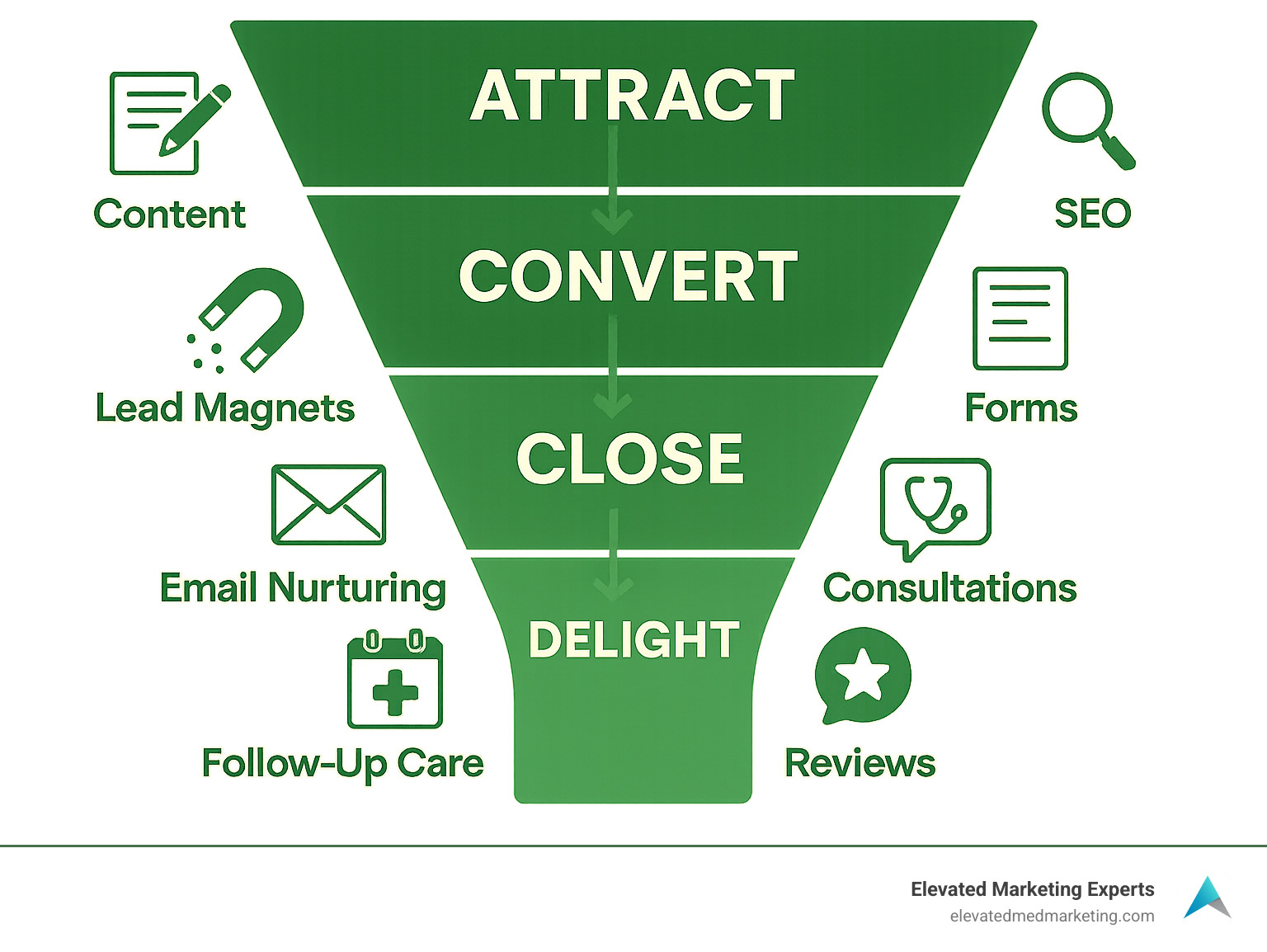
Outbound vs. Inbound: Key Differences for Healthcare
Inbound marketing for doctors flips traditional advertising on its head. Instead of pushing messages at people who aren’t ready to hear them, you create helpful content that patients actually want to find. When someone searches “what to expect after knee surgery” at 2 AM, your educational blog post becomes a welcomed resource, not an unwanted interruption.
| Aspect | Outbound Marketing | Inbound Marketing |
|---|---|---|
| Approach | Push messages to audience | Pull audience with valuable content |
| Patient Response | Often seen as interruption | Welcomed as helpful resource |
| Cost Structure | High ongoing ad spend | Lower long-term costs |
| Trust Building | Limited relationship building | Builds authority and trust over time |
| Compliance | Harder to ensure HIPAA compliance | Naturally HIPAA-friendly |
| Longevity | Stops when you stop paying | Creates evergreen assets |
Patients today do their research before choosing a healthcare provider. They’re looking for doctors who demonstrate expertise and genuine care through helpful content. As Forbes insights on interactive marketing reveal, businesses using interactive, pull-based strategies see significantly higher engagement rates.
Why Inbound Wins in Regulated Industries
HIPAA compliance becomes natural when you’re creating general educational content instead of targeting specific individuals with health conditions. Permission-based engagement forms the foundation – patients choose to read your content because they find value in it. Measurable ROI gives you clarity that traditional advertising never could, showing exactly which content generates the most appointment requests.
Inbound Marketing for Doctors: Core Strategies
When patients need medical care, they don’t want to be sold to – they want to be helped. Inbound marketing for doctors creates valuable content that draws patients to your practice naturally.
Why Inbound Marketing for Doctors Beats Traditional Advertising
You become the trusted expert before patients even meet you. Research shows that 61% of patients have better trust in doctors who provide educational content. Your marketing budget works harder for longer – content creates assets that keep working for years. Every piece of content becomes a business asset that grows more valuable over time.
Top Inbound Marketing for Doctors Tactics You Can Implement Today
Start with the questions you already answer every day. Turn common patient questions into comprehensive blog posts. Video is your secret weapon – over 56% of Americans watch videos on social media platforms. Make complex information digestible through infographics. Host live sessions to build real connections through webinars or Q&A sessions.
Websites using inbound marketing bring 3x more traffic compared to normal websites. More info about Content Marketing Best Practices can help you develop a sustainable content strategy.
SEO & Local Visibility Essentials
Think like your patients, not like a doctor. Focus on what patients actually type into Google. Help search engines understand who you are through schema markup. Your Google Business Profile is marketing gold – include accurate information, quality photos, and respond to reviews promptly.
There’s been a 900% increase in “near me tonight/today” searches over two years. More info about Search Engine Optimization can help you capitalize on this trend.
Social Media & Video Engagement
Be where your patients are – Facebook for 50-64 age group, Instagram for under-35 patients. Short-form videos are having a moment on TikTok and Instagram Reels. Show the human side of your practice through behind-the-scenes content.
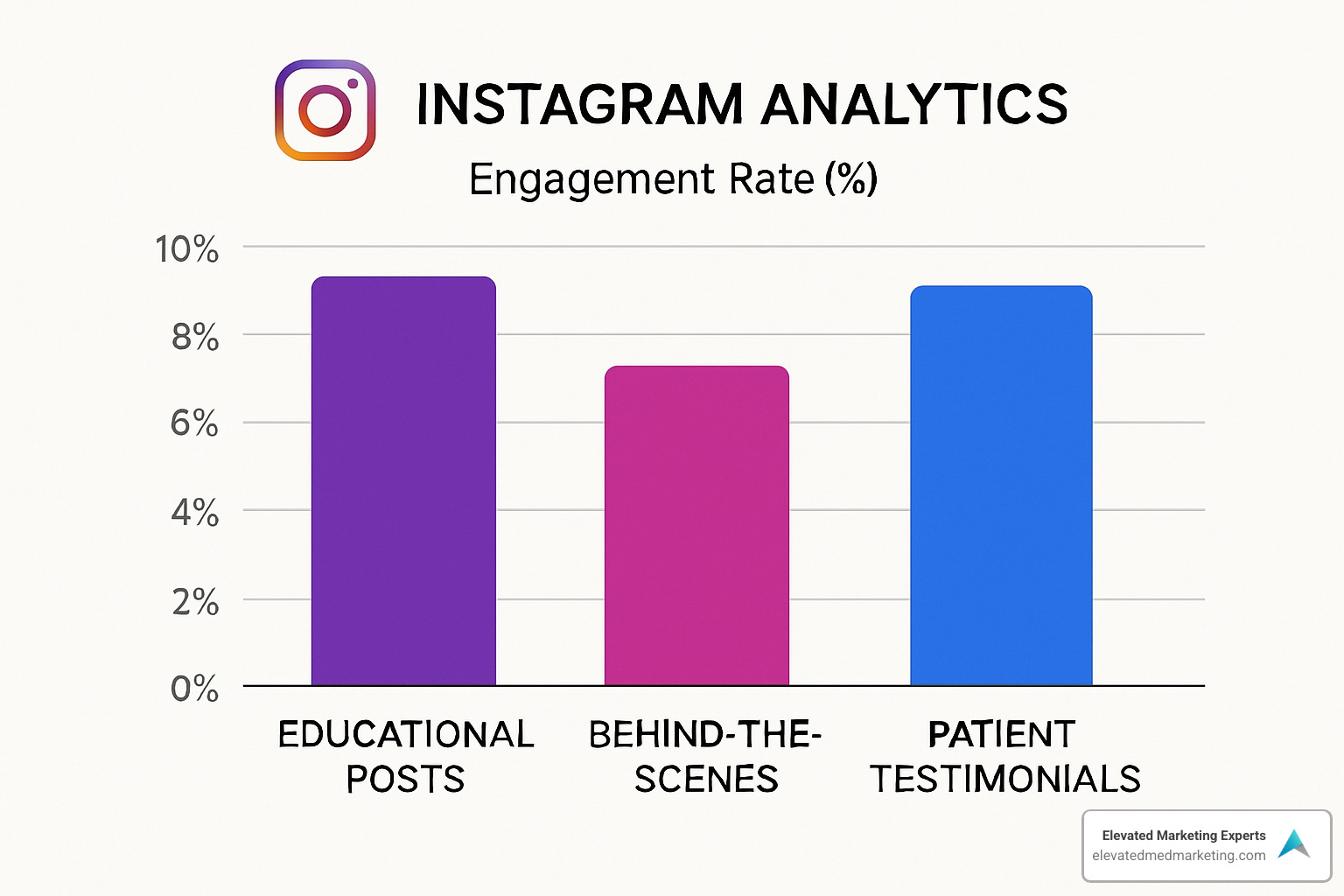
41% of patients report that social media influences their choice of healthcare provider.
Email Marketing & Automation
Segment your email list thoughtfully – new patients need different information than existing patients. Personalization typically sees a 20% rise in sales. Set up automation workflows for welcome series, appointment preparation, and follow-up care.
More info about Content Strategy Service can help you develop comprehensive email marketing strategies.
Website Design That Converts Visitors to Patients
Mobile comes first – 61% of consumers are more likely to contact a business with a mobile-friendly site. Make the next step obvious with clear calls-to-action. Build trust before asking for trust with credentials, testimonials, and security badges.
Leveraging Testimonials & Online Reviews
90% of patients use online reviews to evaluate doctors, and 75% only consider providers with 4+ star ratings. Google research on hospital selection confirms that online reputation significantly influences patient choices.
Create a simple system for generating reviews and turn success stories into powerful marketing tools with proper consent.
Creating Patient Personas & Personalized Content
The secret to successful inbound marketing for doctors isn’t just creating great content—it’s creating the right content for the right people. Patient personas are detailed profiles of your ideal patients with real concerns, fears, and motivations.
Building Your Patient Personas
Start with your current patient base. Look at demographics like age and income, but dig deeper into psychographics—their lifestyle, values, and motivations. Pain points are equally important – what problems are they trying to solve?
Tools like SparkToro provide insights into your audience’s online behavior, showing which websites they visit and content they engage with most.
From Personas to Personalized Content
For anxious first-time patients, create detailed “What to Expect” videos. Busy professionals need quick health tips and mobile-friendly scheduling. Parents and caregivers respond well to family-focused content.
Research shows that 61% of patients have better trust in doctors who provide helpful content. When that content speaks directly to their specific situation, trust increases even more.
Journey Mapping for Better Content
Early-stage patients need educational content about symptoms. Mid-stage patients want credentials and testimonials. Late-stage patients need clear calls-to-action and easy scheduling. Creating content for each stage ensures no potential patient falls through the cracks.
Measuring Success & Optimizing Your Funnel
Unlike traditional advertising where you’re guessing results, inbound marketing for doctors gives you crystal-clear data on what’s working.
The Metrics That Actually Matter
Focus on metrics that tie directly to your bottom line. Website traffic growth shows if more people are finding you, but track your lead-to-patient conversion rate to see how well your website turns visitors into appointments. Content performance metrics reveal which posts resonate most. Don’t forget patient lifetime value – some marketing brings fewer patients initially but attracts higher-value patients.
Your Digital Marketing Toolkit
Google Analytics shows patient behavior on your website. Google Search Console reveals which search terms bring patients to your site. Your email marketing platform provides insights into which campaigns drive bookings.
Making Smart Improvements
A/B testing means trying two versions to see which works better. Funnel analysis helps spot where potential patients get stuck. Continuous improvement separates successful practices from those that plateau.
More info about Content Marketing and SEO provides insights into measuring and optimizing integrated campaigns.
Overcoming Challenges & Integrating Offline Efforts
Implementing inbound marketing for doctors comes with challenges, but most have straightforward solutions.
HIPAA Compliance
Inbound marketing for doctors is actually more HIPAA-friendly than traditional advertising. Stay general rather than specific – create educational content without mentioning individual cases. Always get written consent before using patient stories or photos.
Time Management
Batch content creation works wonders – set aside 2-3 hours monthly to create multiple pieces at once. Repurpose content to multiply your efforts – turn one webinar into multiple blog posts and social media content. Train your team to assist with content creation.
Getting Your Team on Board
Show staff how marketing makes their jobs easier. Educational content reduces repetitive questions, online scheduling streamlines booking, and positive reviews make everyone’s job more enjoyable.
Bridging Online and Offline
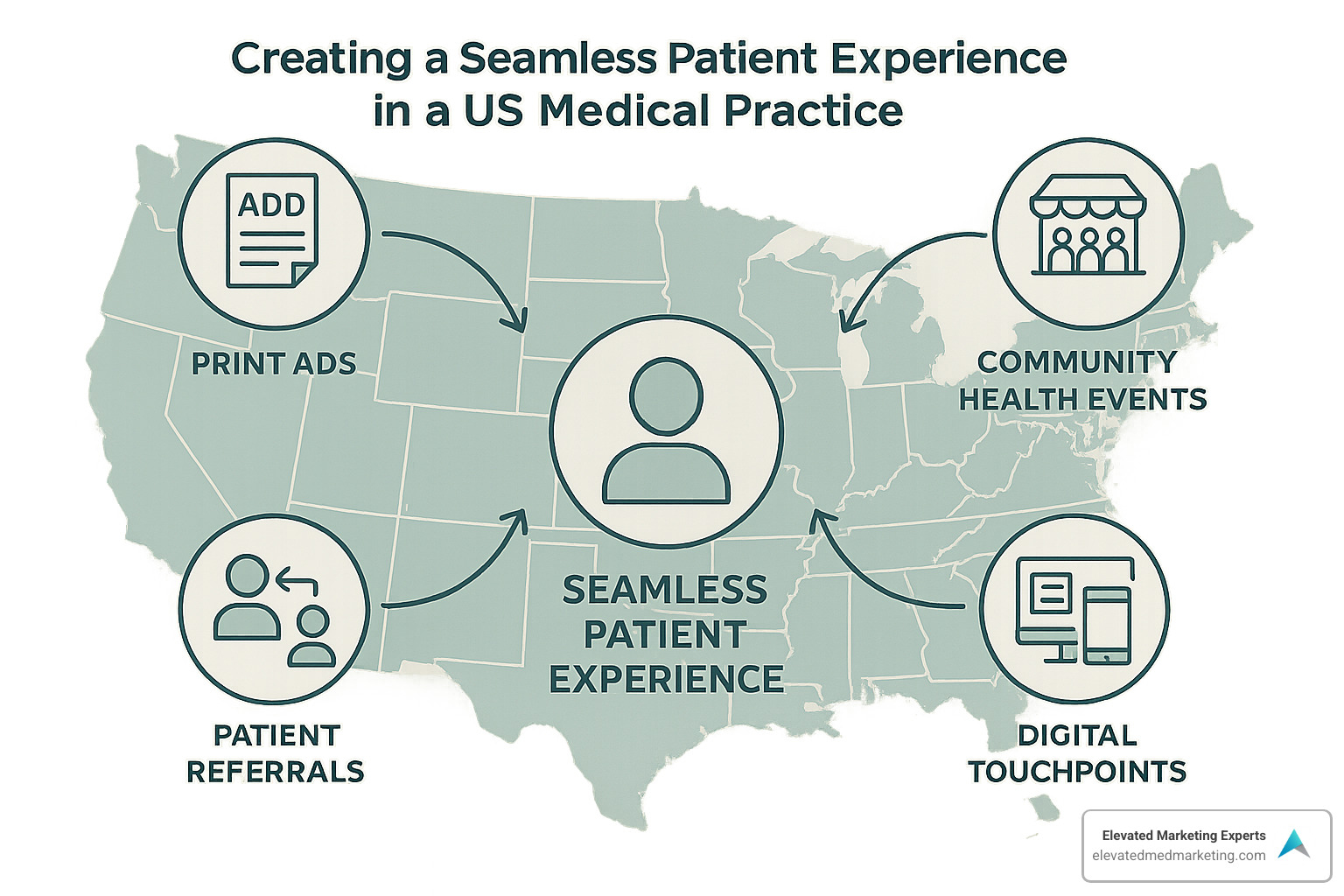
Community events become content goldmines. Print materials can include QR codes linking to landing pages. Referral programs work better with digital sharing tools. Direct mail campaigns can drive traffic to specific landing pages.
As BrightLocal research shows, 61% of mobile users are more likely to contact a local business with a mobile-friendly site.
Frequently Asked Questions about Inbound Marketing for Doctors
How long before inbound marketing shows results?
Inbound marketing for doctors isn’t like flipping a switch – it’s more like planting a garden that grows stronger over time.
Initial signs of progress appear within 3-6 months, but real magic happens after 6-12 months of consistent effort. During your first 1-3 months, you’ll see small increases in website traffic. Months 3-6 bring improved search rankings and increased engagement. The 6-12 month mark shows real results with consistent lead generation. After 12 months, the compound effect takes over with sustainable growth.
The secret ingredient? Consistency.
What content formats work best for medical practices?
Educational blog posts remain the foundation – patients search Google for answers at all hours. Video content is essential – 96% of marketers report improved engagement with video. Infographics make complex medical information digestible. Patient testimonials carry incredible weight – 94% of patients check online reviews. Interactive content like health assessments engage visitors while providing value.
The most successful practices combine multiple formats rather than relying on just one.
How do I stay HIPAA-compliant while marketing?
Focus on education, not individual cases. Write about conditions and treatments in general terms. Always get written consent before using patient photos or stories. Use stock photos or properly consented images. Keep testimonials general unless you have specific permission. Avoid targeting ads based on specific health conditions.
Inbound marketing for doctors is actually more HIPAA-friendly than traditional advertising because it’s permission-based and educational.
Conclusion
Your patients are already online, researching symptoms, comparing providers, and making decisions about their care. Inbound marketing for doctors simply meets them where they already are.
This isn’t about chasing marketing fads – it’s about building genuine relationships with people who need your expertise. When you consistently share helpful content, you become the doctor they trust before they even meet you.
Successful practices don’t try to do everything at once. They pick one strategy, execute it well, and build from there. Getting started doesn’t have to be overwhelming. Begin by auditing your current online presence, develop clear patient personas, then choose one strategy – maybe blogging about common patient questions or creating educational videos.
The key is consistency over perfection. Set up tracking from day one using Google Analytics to monitor what resonates with your audience.
At Liftd Marketing Experts, we’ve seen how inbound marketing for doctors creates sustainable growth that traditional advertising can’t match. While paid ads stop working when you stop paying, great content continues attracting patients for years.
Patients will always choose providers they trust. Inbound marketing builds that trust systematically, one helpful interaction at a time. Every question you answer online adds to your reputation as someone who genuinely cares about helping people.
The question isn’t whether you can afford to invest in inbound marketing – it’s whether you can afford to let your competitors build those relationships while you’re waiting for the phone to ring.


