

Healthcare marketing strategies: Top 5 Powerful Tips
Healthcare marketing strategies are crucial in today’s digital age to meet evolving patient expectations. As the world becomes increasingly digital, healthcare providers must adapt to these changes to stay competitive and relevant. In particular, the rise of telehealth and virtual appointments, accentuated by the COVID-19 pandemic, underscores the need for savvy marketing strategies to maintain and grow patient engagement.
Here are some quick insights into effective healthcare marketing strategies:
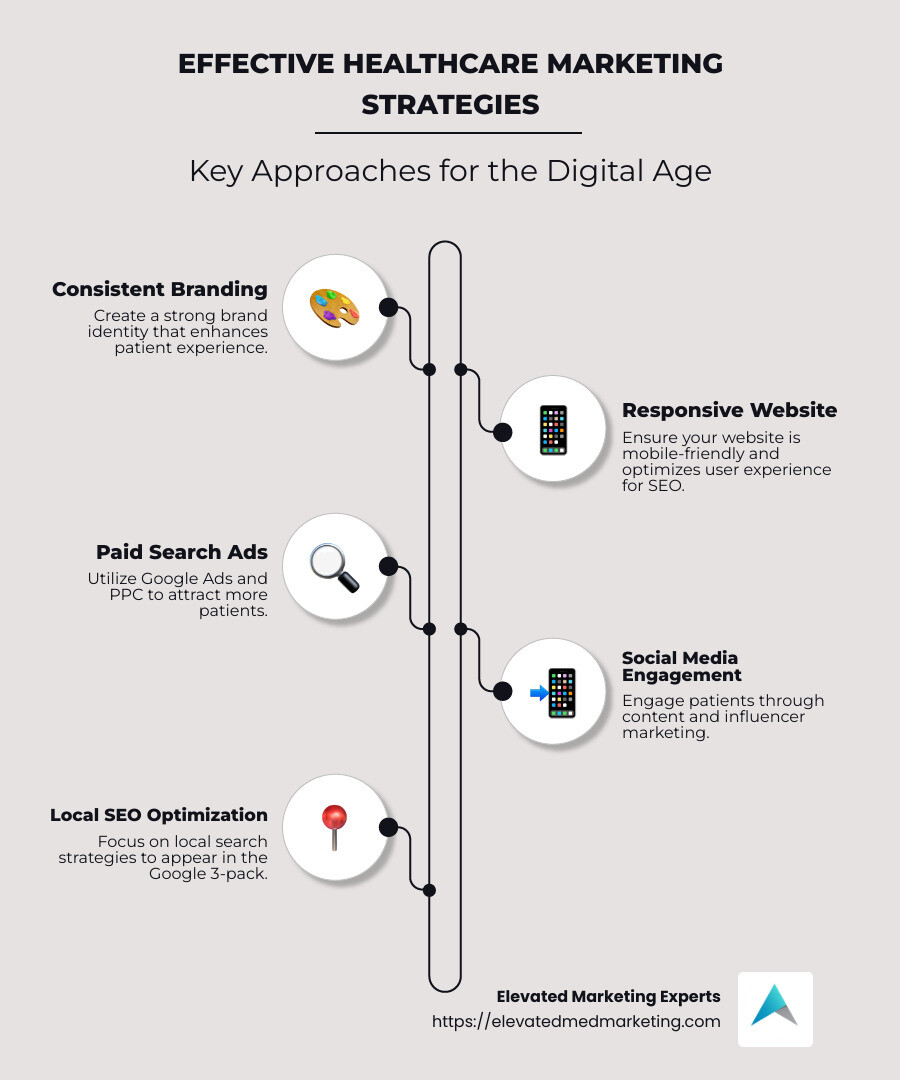
Develop Consistent Branding: Build a strong and recognizable brand identity that improves patient experience.
Build a Responsive Website: Ensure your site is mobile-friendly with excellent user experience for SEO optimization.
Use Paid Search Ads: Leverage Google Ads and pay-per-click options to attract more patients.
Leverage Social Media: Engage and attract patients through content marketing and influencer partnerships.
Optimize for Local SEO: Focus on local search strategies to appear in the coveted Google 3-pack.
The digital change in healthcare is not just about adopting new technologies but also about meeting patient expectations for more personalized and convenient care. This shift requires an innovative approach, combining traditional wisdom with modern tactics to effectively reach and serve patients.
My name is Joe Amaral. With a background in digital marketing and experience in healthcare marketing strategies, I have a keen understanding of how digital tools can lift healthcare practices. I’m passionate about helping healthcare providers succeed in this digital age by improving organic SEO, website design, and ad performance.
Understanding Healthcare Marketing Strategies
In today’s world, healthcare marketing strategies are more important than ever. They bridge the gap between traditional and digital marketing, ensuring that healthcare providers can effectively engage with patients.
Traditional Marketing
Traditional marketing in healthcare includes time-tested methods like print ads, direct mail, and billboards. These methods are still valuable, especially for reaching older demographics or those without reliable internet access. For example, direct mail campaigns have proven effective in encouraging screenings and preventive services, particularly when paired with incentives.
However, the landscape is changing. Traditional marketing alone isn’t enough to meet the needs of today’s tech-savvy patients.
Digital Marketing
Digital marketing has revolutionized how healthcare providers connect with patients. It’s not just about having a website or a social media presence. It’s about creating engaging content that educates and informs.
Content marketing is at the heart of digital strategies. By producing informative blogs, videos, and social media posts, healthcare providers can build trust and establish themselves as thought leaders. For instance, creating educational videos about common health concerns can drive engagement and improve search rankings.
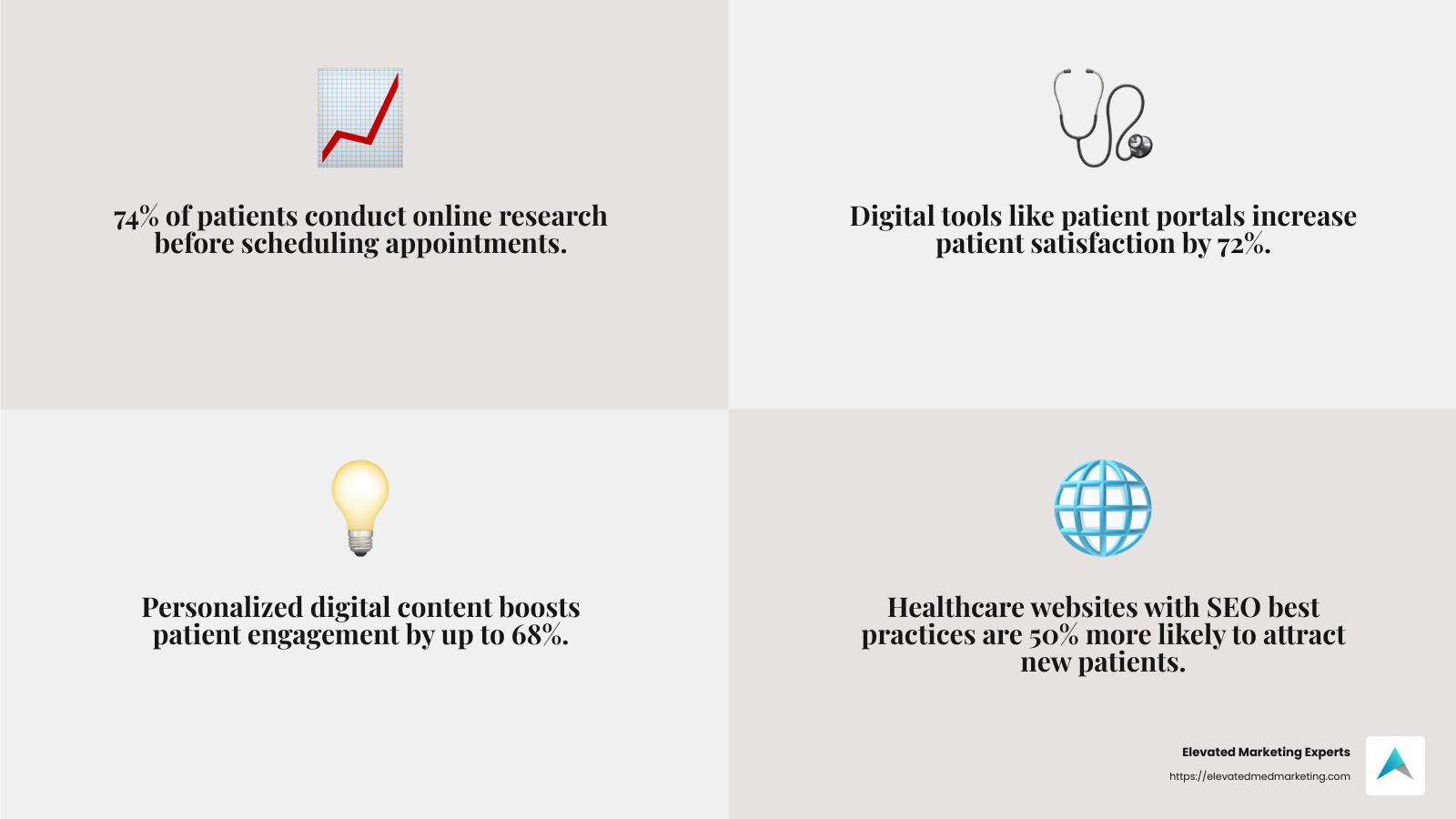
Another critical component is SEO (Search Engine Optimization). Ensuring that your website appears in search results when potential patients look for services is crucial. This involves optimizing for keywords, creating high-quality content, and building backlinks.
Digital marketing also offers personalization opportunities. By understanding patient personas, healthcare providers can tailor their messaging to meet the unique needs of different patient groups. This level of personalization can significantly improve patient engagement and satisfaction.
Patient Engagement
Patient engagement is the ultimate goal of healthcare marketing strategies. Engaged patients are more likely to follow treatment plans, attend regular check-ups, and recommend providers to others.
Digital tools like patient portals and mobile apps facilitate communication and provide easy access to health information. These tools empower patients to take an active role in their healthcare journey, leading to better outcomes.
Moreover, leveraging social media platforms can foster a sense of community and support among patients. Sharing success stories, health tips, and updates can keep patients informed and connected.
In summary, understanding and implementing effective healthcare marketing strategies is about finding the right balance between traditional and digital methods. By focusing on patient engagement and leveraging digital tools, healthcare providers can build lasting relationships with their patients and thrive in a competitive environment.
Top 5 Healthcare Marketing Strategies
Develop Consistent Branding
Consistent branding in healthcare is more than just a logo or color scheme. It’s about creating a brand identity that reflects your values and mission. This identity should be evident in every interaction a patient has with your practice. From the tone of voice in your emails to the design of your waiting room, everything should align with your brand.
A strong brand identity helps build trust and loyalty among patients. It makes your healthcare organization recognizable and memorable. For example, Dr. Sandra Lee, also known as Doctor Pimple Popper, has successfully used her brand to connect with millions through social media by consistently delivering engaging and educational content.
Build a Responsive Website
A responsive website is crucial for enhancing the user experience. Most patients will first encounter your practice online, so your website must be easy to steer and accessible on all devices.
SEO (Search Engine Optimization) is key here. Make sure your website is optimized for search engines to ensure it ranks high in search results. This includes using relevant keywords, creating high-quality content, and ensuring fast loading times.
A well-designed website not only attracts new patients but also improves the experience for existing ones. Features like online appointment booking and patient portals can make a huge difference in patient satisfaction.
Use Paid Search Ads
Using Google Ads and other pay-per-click (PPC) strategies can help you reach a larger audience quickly. With PPC, you pay only when someone clicks on your ad, making it a cost-effective way to attract potential patients.
Target your ads to specific demographics or locations to ensure you’re reaching the right audience. For example, targeting keywords like “COVID vaccination near me” can drive traffic to your site from local searches.
Leverage Social Media
Social media is a powerful tool for healthcare marketing. Platforms like Facebook, Instagram, and TikTok allow you to engage with patients and share valuable content.
Content marketing on social media can include educational posts, patient testimonials, and health tips. These not only inform but also build a community around your practice. Influencer marketing is also gaining traction in healthcare. Partnering with influencers who share your values can amplify your reach and credibility.
Optimize for Local SEO
Local SEO is about ensuring your practice appears in local search results. Most patients prefer healthcare providers close to home, so optimizing for local search is crucial.
Appearing in the Google 3-pack—the top three local search results—can significantly increase your visibility. This involves claiming your Google My Business listing, building local citations, and encouraging patient reviews.
In conclusion, implementing these top 5 healthcare marketing strategies will help you stand out in a crowded market. By focusing on branding, digital presence, and local optimization, you can attract and retain more patients.
Benefits of Healthcare Marketing
When it comes to healthcare, effective marketing is not just a nice-to-have—it’s essential. Let’s explore the key benefits of healthcare marketing: patient retention, brand visibility, and competitive advantage.
Patient Retention
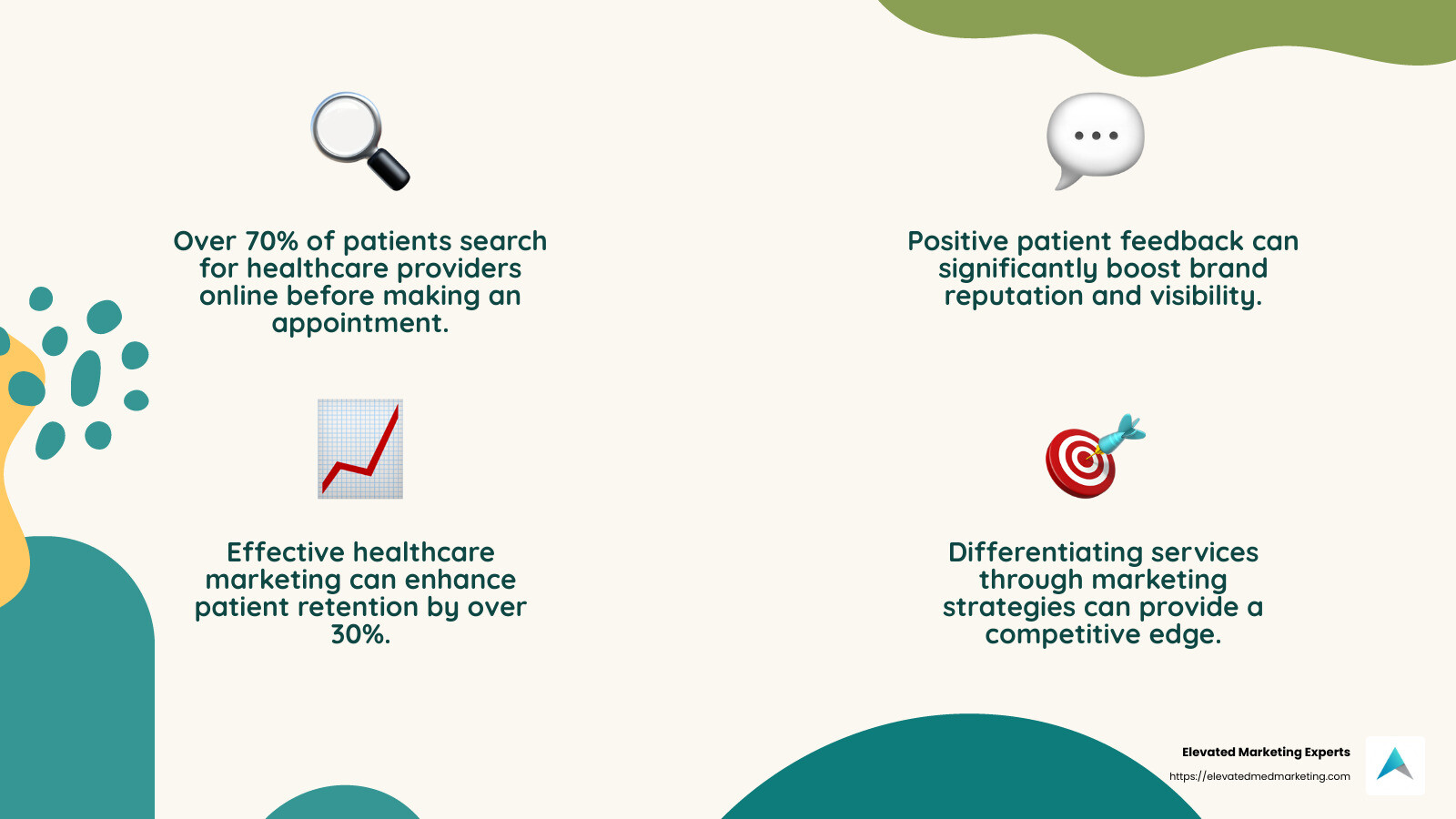
Keeping existing patients is more cost-effective than acquiring new ones. Research shows it costs up to five times less to retain a patient than to gain a new one. Building strong relationships with current patients through personalized communication and consistent engagement is crucial.
Consider implementing a patient service recovery program. This means actively seeking feedback and addressing concerns promptly. Happy patients are more likely to stay loyal and recommend your services to others, leading to increased patient retention.
Brand Visibility
A strong brand makes your healthcare practice recognizable and memorable. Having a visible and trusted brand is crucial. Patients often start their healthcare journey online, searching for providers and reading reviews before making a decision.
Creating educational content can significantly boost your brand visibility. Blogs, videos, and infographics that address common patient concerns not only educate but also position your practice as an authority in the field. For instance, videos are particularly effective, as they drive engagement and improve search engine rankings.
Competitive Advantage
In a crowded healthcare market, standing out is vital. A well-executed marketing strategy can give you a competitive edge. By differentiating your services and showcasing what makes your practice unique, you can attract more patients.
For example, embracing digital tools like telemedicine and health apps can signal to patients that you are an industry leader. Additionally, optimizing your practice for local SEO ensures you appear in top local search results, increasing your chances of attracting local patients.
In summary, effective healthcare marketing improves patient retention, boosts brand visibility, and provides a competitive advantage. By focusing on these areas, you can ensure the growth and success of your practice.
Next, we’ll explore the challenges healthcare marketers face, including navigating regulations and maintaining patient privacy.
Challenges in Healthcare Marketing
Navigating healthcare marketing isn’t all sunshine and rainbows. There are significant problems that marketers must overcome. Let’s break down the key challenges in healthcare marketing: regulations, patient privacy, and economic debts.
Regulations
Healthcare marketing is a regulated space. There are strict rules to follow, like HIPAA in the U.S., which governs how patient information is shared. Violating these can lead to hefty fines and loss of trust. For example, healthcare marketers must ensure that any emails comply with the CAN-SPAM Act, allowing patients to opt-out easily.
Quick Tip: Always keep up with federal and local regulations. This ensures your marketing strategies are compliant and builds trust with your audience.
Patient Privacy
Protecting patient privacy is crucial. Patients want to know their personal information is safe and secure. Trust is the foundation of any healthcare relationship, and mishandling patient data can severely damage a practice’s reputation.
Consider the GDPR in the EU, which sets high standards for data protection and privacy. It’s essential to adopt similar practices, like anonymizing data used in marketing campaigns and securing data storage systems.
Quick Tip: Regularly review your data handling processes and ensure all team members are trained on privacy best practices.
Economic Debts
Not all patients are financially desirable, yet healthcare providers must serve everyone. Some patients may struggle to pay for services, leading to economic debts that can strain resources.
Marketers face the challenge of attracting patients who can pay while still providing care to those in need. This requires a delicate balance of marketing strategies that highlight the value and necessity of services without alienating those who might bring financial challenges.
Quick Tip: Develop financial assistance programs and communicate them clearly in your marketing materials. This can help attract a broader patient base while showing your commitment to community care.
In summary, healthcare marketing isn’t without its challenges. By understanding and addressing these issues, marketers can create effective strategies that respect regulations, protect patient privacy, and manage economic realities.
Next, we’ll tackle some frequently asked questions about healthcare marketing strategies.
Frequently Asked Questions about Healthcare Marketing Strategies
What are the 4 P’s of healthcare marketing?
The 4 P’s of healthcare marketing are essential components to consider when developing marketing strategies:
Product: In healthcare, the product is more than just treatment or service. It’s the entire patient experience. From the initial appointment booking to aftercare, every touchpoint forms the product.
Price: Pricing in healthcare can be complex due to insurance, co-pays, and varying treatment costs. Transparency in pricing is crucial to build trust with patients. Make sure to clearly communicate what patients can expect to pay.
Place: This refers to how and where healthcare services are delivered. With the rise of telehealth, the “place” has expanded beyond physical locations to virtual platforms, making accessibility a key focus.
Promotion: This is all about how you communicate your services to patients. It includes advertising, public relations, and digital marketing efforts. The aim is to educate and inform patients about what you offer and why they should choose you.
How do digital marketing strategies benefit healthcare providers?
Digital marketing strategies offer several advantages for healthcare providers:
Tracking Effectiveness: Digital marketing allows for precise tracking of key performance indicators like clicks, views, and conversions. This data helps in understanding what strategies are working and where improvements are needed.
Patient Engagement: Digital platforms facilitate ongoing communication with patients, enhancing engagement. For instance, social media and email marketing can keep patients informed about new services or health tips.
Cost-Effectiveness: Compared to traditional marketing, digital methods are often more cost-effective, allowing for a better return on investment. They also enable targeted campaigns that reach specific patient demographics.
What are the key trends in healthcare marketing?
The landscape of healthcare marketing is continually evolving. Here are some key trends to watch:
Personalization: Patients expect personalized experiences. Utilizing data analytics, providers can tailor their marketing efforts to meet individual patient needs and preferences. This can include personalized email campaigns or custom content on websites.
Digital Content: Content is king, even in healthcare marketing. Providing valuable information through blogs, videos, or webinars can position a practice as a thought leader and build trust with patients.
Telehealth and Virtual Care: The demand for telehealth services has surged. Marketing strategies now need to highlight the availability and benefits of virtual care options, ensuring patients know how to access these services.
Incorporating these elements into your healthcare marketing strategies can help you stand out in a competitive market, attract new patients, and retain existing ones.
Next, we’ll wrap up with a conclusion, summarizing the key takeaways from this guide.
Conclusion
In today’s digital world, healthcare providers must adopt effective healthcare marketing strategies to stay competitive. At Elevated Marketing Experts, we specialize in crafting custom digital solutions for plastic surgeons and medical spas. Our industry expertise ensures that your practice not only meets but exceeds patient expectations.
Why Choose Elevated Marketing Experts?
Industry Expertise: We understand the unique challenges faced by aesthetic and wellness practices. Our team is experienced in helping these practices grow their online presence through targeted marketing strategies.
Comprehensive Digital Solutions: From organic SEO to Google Ads management, we offer a wide range of services designed to improve your brand visibility and patient engagement. Our focus is on delivering measurable results that align with your business goals.
Customized Approach: Every practice is unique, and so are our solutions. We work closely with you to develop a marketing strategy that resonates with your target audience and sets you apart from competitors.
Commitment to Excellence: Our track record speaks for itself. We pride ourselves on delivering high-quality services that drive growth and improve patient outcomes.
If you’re ready to elevate your practice’s marketing efforts, consider partnering with us. Learn more about our pay-per-click management services and how we can help you achieve your goals.
In summary, adopting effective healthcare marketing strategies is crucial for success in the competitive healthcare industry. By leveraging digital solutions and industry expertise, you can improve patient engagement, increase brand visibility, and achieve sustainable growth.


