

Family Medicine seo: Mastering Success 2025
Why Aesthetic SEO is Essential for Growth
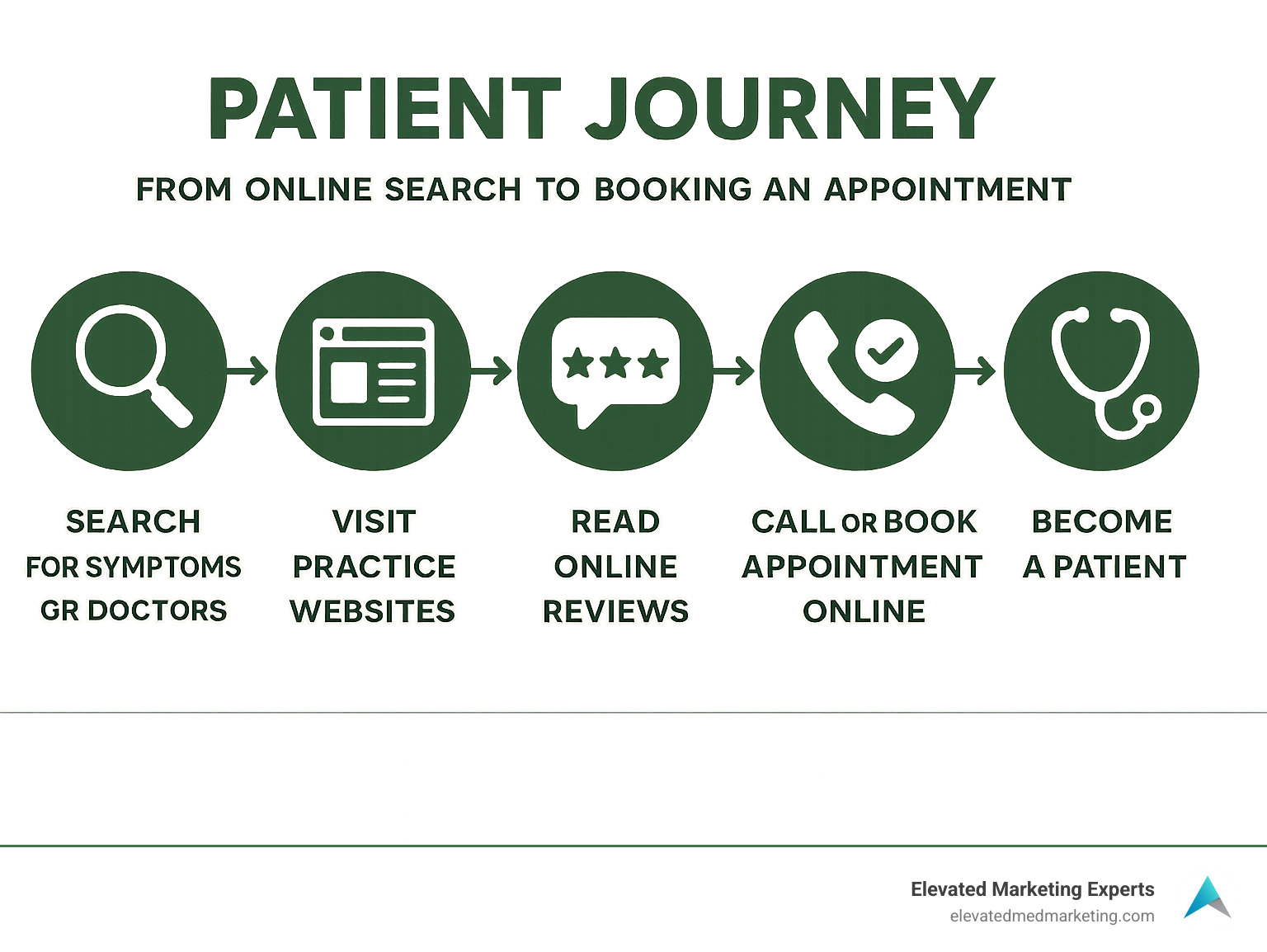
Aesthetic SEO is the process of making your practice easily found by local patients searching for cosmetic treatments online. It’s crucial for your practice’s growth because:
- Over 75% of patients start their search for aesthetic services online.
- Google alone receives more than 1 billion health-related queries daily, many of which are for cosmetic and wellness procedures.
- SEO helps you attract new patients and build credibility within your community.
The way people find aesthetic providers has changed. Patients no longer rely only on word-of-mouth or phone books. They turn to search engines like Google first. If your practice isn’t visible there, you’re missing out on new patients. A strong online presence helps you connect with people actively looking for cosmetic treatments. It builds trust before they even step through your doors.
At Liftd Marketing Experts, our passion for digital marketing drives us to leverage new tech for marketing efficiency in specialized fields like Aesthetic SEO. Let’s explore how a strong digital foundation can transform your practice.
Explore more about Aesthetic SEO:
Mastering Local Search: Connecting with Your Community
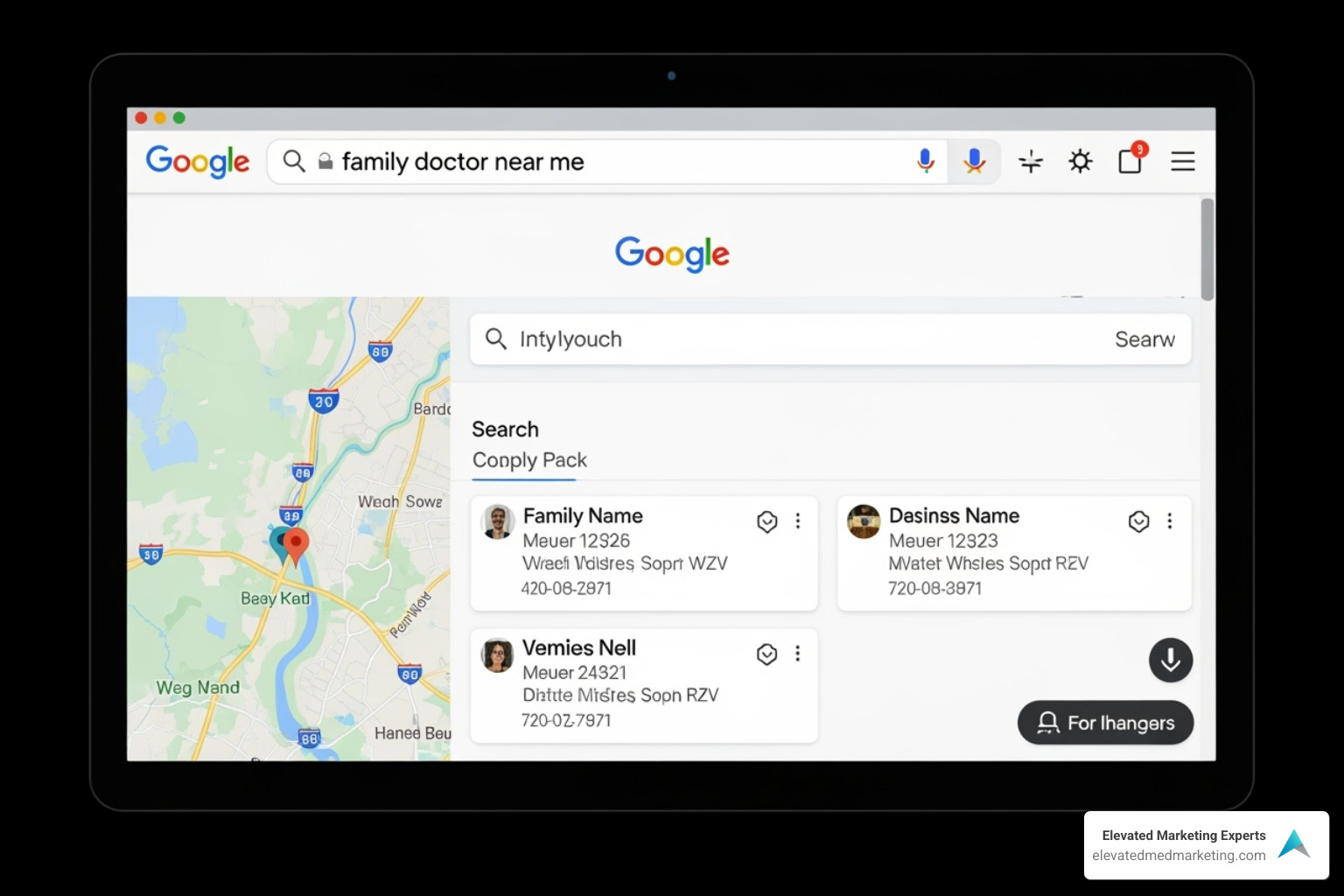
In today’s digital landscape, local SEO isn’t merely helpful—it’s make-or-break for aesthetic and wellness practices. Patients usually want treatments within a short drive, and almost all of them begin with a quick Google search such as “med spa near me.” Our goal is to make sure your practice shows up—preferably in Google’s coveted Local Pack—so that those nearby patients choose you first.
Optimizing Your Google Business Profile
Your Google Business Profile (GBP) is your digital storefront on both Search and Maps. If it isn’t verified and fully completed, you’re invisible to scores of potential patients.
- Claim and verify your listing through the Google Business Profile Manager.
- Keep your Name, Address, and Phone (NAP) consistent everywhere online.
- Choose accurate service categories (e.g., “Plastic Surgeon” or “Medical Spa”).
- Upload high-quality photos of your office, staff, and providers.
- Add keywords naturally—“plastic surgeon [city]” or “med spa [neighborhood]” can be worked into the description and services.
Essential GBP fields to complete:
- Business Name
- Primary & Secondary Category
- Address & Service Area
- Phone Number
- Website URL
- Hours (regular & holiday)
- Description & Services
- Photos / Videos
- Appointment Link
- Google Posts & Q&A
The Power of Patient Reviews and Reputation
Patient reviews are today’s word-of-mouth—and they’re a known local-ranking factor. A recent study shows that 72 % of patients read reviews before choosing a provider. Make reviews part of your daily workflow:
- Politely ask happy patients to leave feedback on Google, RealSelf, and Yelp.
- Respond to every review—positive or negative—while staying HIPAA-compliant.
- Use brief, professional replies for negative feedback and invite the reviewer to contact your office offline.
Local Keyword Strategy
Finding the right search terms is like having a map to new patients.
- “Near me” searches: “med spa near me,” “best plastic surgeon near me.”
- City and neighborhood modifiers: “Botox in [City],” “rhinoplasty consultation [Neighborhood].”
- Service-specific terms: pair specific procedures like microneedling or breast augmentation with your city.
- Voice-search phrases: people speak differently than they type—optimize for conversational queries like “Hey Google, which med spa near me offers weekend appointments?”
Tools such as Google Keyword Planner and SEMrush help uncover exactly what your community is searching for—and how to meet that demand.
The Core Components of a Winning Aesthetic SEO Strategy
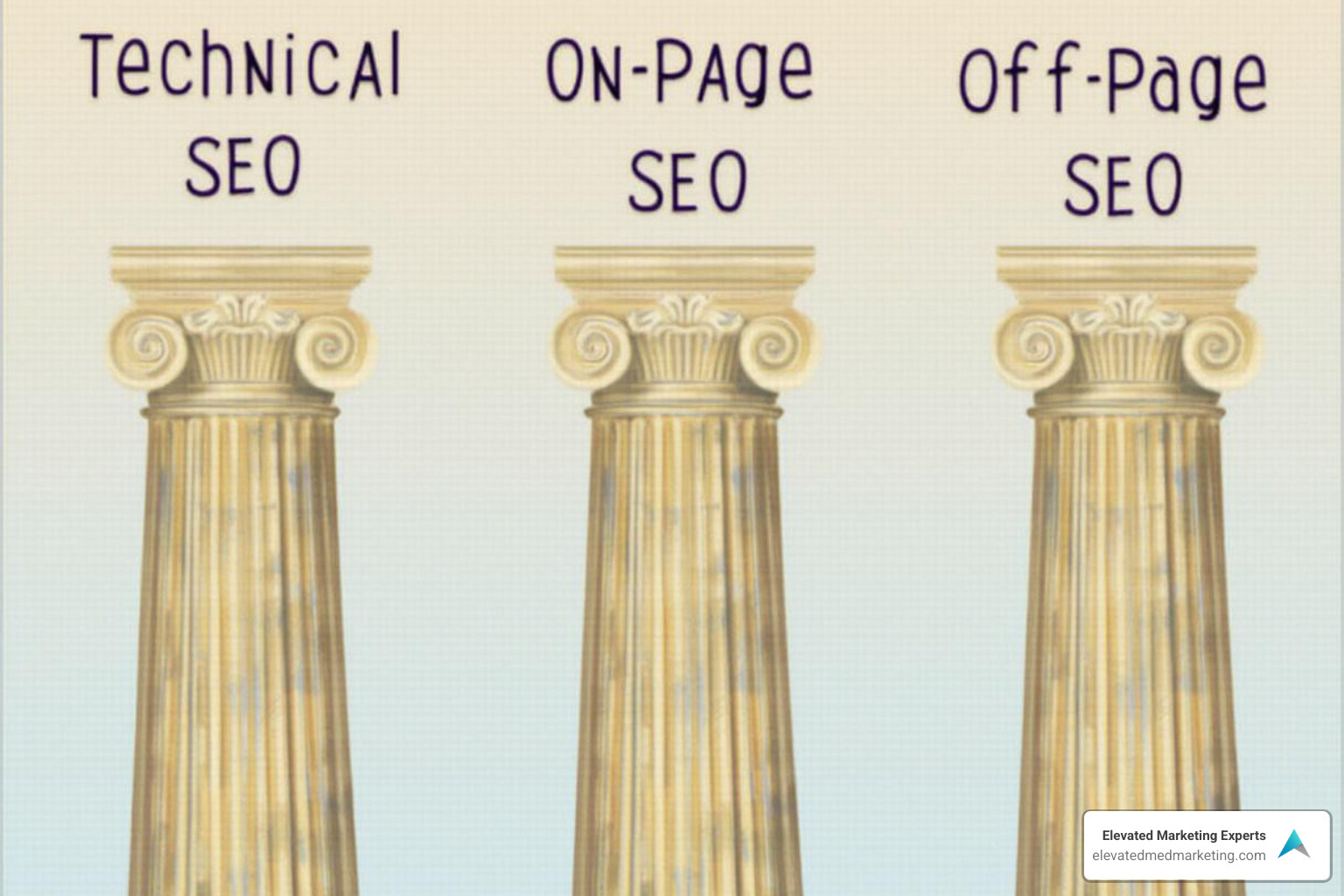
Think of your online presence like a sturdy three-legged stool: on-page, technical, and off-page SEO must work together or the whole thing wobbles.
Foundational On-Page SEO for Aesthetic Practices
Great on-page SEO starts with content that answers actual patient questions—no keyword stuffing required. Make sure every page has:
- A clear, descriptive title tag and compelling meta description.
- Logical headers (H1, H2, H3) that break content into digestible sections.
- Alt text on images for accessibility and extra keyword context.
- Internal links that guide visitors (and Google) to related pages.
- Fast, mobile-friendly layouts that create a smooth user experience.
For additional guidance, Google’s own SEO Starter Guide is an excellent reference.
Technical SEO: Ensuring Your Website Is Healthy
Behind-the-scenes work keeps search engines—and patients—happy.
- Speed: Aim for pages that load in under three seconds. Check with Google PageSpeed Insights.
- Mobile-friendliness: Google indexes mobile versions first; test yours with their Mobile-Friendly Test.
- Security (HTTPS): An SSL certificate reassures visitors and boosts rankings.
- Schema markup: Adding “MedicalBusiness” or “Physician” schema helps highlight hours, address, and services right in search results.
- Logical site architecture: Intuitive menus and breadcrumb trails make it easy to steer and index.
Building Authority with Patient-Centric Content
Because medical content can impact someone’s well-being, Google places it in the strict “Your Money or Your Life” (YMYL) category. Show E-E-A-T—Experience, Expertise, Authoritativeness, Trustworthiness—by:
- Publishing blog posts that answer common questions (e.g., the benefits of different fillers, preparing for surgery, and post-treatment skincare routines).
- Creating detailed service pages for liposuction, non-surgical facelifts, and laser treatments, and more.
- Showcasing provider bios that highlight credentials and personality.
High-quality, regularly updated content earns trust from Google and from the patients you serve.
Common Mistakes and Measuring Success
Even with the best intentions, navigating digital marketing can have its hidden pitfalls. We’ve seen many wonderful aesthetic practices stumble over common Aesthetic SEO mistakes, which can really slow down their growth. But don’t worry! Spotting these common errors is the first step toward avoiding them. And once you’re on the right path, consistently measuring your performance is key to making things even better. Think of Aesthetic SEO not as a quick fix, but as a long-term, valuable investment in your practice’s future.
SEO Mistakes Aesthetic Practices Must Avoid
Let’s chat about some of the SEO “oopsies” we often see, so you can steer clear of them:
First up, neglecting mobile optimization. This one is huge! If your website isn’t super easy to use on a smartphone, you’re essentially closing your doors to a massive number of potential patients. Google even penalizes sites that aren’t mobile-friendly, and frankly, users will just leave if your site is clunky on their phone.
Then there’s ignoring negative reviews. We know, it’s never fun to see criticism. But trying to hide from a negative review can actually do more harm than the review itself. Responding professionally and empathetically, while always keeping HIPAA in mind, shows everyone that you care deeply about patient satisfaction and are committed to resolving issues.
Next, watch out for inconsistent NAP information. Imagine seeing a different phone number on Yelp than on your Google Business Profile, or different addresses on Healthgrades and your own website. This creates confusion for both search engines and potential patients, leading to missed opportunities. Always make sure your Name, Address, and Phone number are exactly the same everywhere online.
Another common mistake is keyword stuffing. Back in the day, some thought cramming every possible keyword into their content was smart. Not anymore! Google is much smarter now and penalizes this outdated tactic. Instead, focus on writing naturally for your patients, letting keywords flow in organically where they make sense.
And please, avoid thin or low-quality content. Short, uninformative pages or content that’s copied from elsewhere simply won’t rank well. Google truly values in-depth, original, and helpful information. As a physician noted on Sermo, creating content that is both medically accurate and easy for patients to understand can be a big challenge – Nearly 1 in 10 surveyed physicians said creating content that follows medical guidelines was their biggest challenge. But overcoming this challenge is incredibly rewarding!
Finally, never, ever forget HIPAA compliance in marketing. This is non-negotiable. Every piece of content, every patient testimonial, and every single interaction you have online must strictly follow HIPAA regulations. Protecting patient privacy isn’t just a legal requirement; it’s the bedrock of trust between you and your patients.
How to Measure Your SEO Performance
SEO isn’t a mysterious magic trick; it’s a science, and it’s completely measurable! To truly understand if your Aesthetic SEO efforts are paying off, you need to keep an eye on some key metrics.
We track several Key Performance Indicators (KPIs) to see how well your strategy is working. These include Organic Traffic, which is the number of visitors who find your site through search engines – a great sign of increased visibility! We also look at Keyword Rankings, seeing how high your target phrases like “plastic surgeon near me” appear in search results.
Another important metric is Click-Through Rate (CTR), which tells us what percentage of people click on your listing when it shows up in search results. If your CTR is low, it might mean we need to tweak your meta title or description to make them more appealing. We also monitor Bounce Rate, which is the percentage of visitors who leave your site after viewing just one page. A high bounce rate can signal that your site isn’t user-friendly or that the content isn’t quite what visitors expected.
We focus on your Conversion Rate. This is the big one! It measures how many website visitors take a desired action, like calling your office, filling out a contact form, or booking an appointment online. This tells us how effectively your online presence is turning visitors into actual patients.
To gather all this valuable data, we use powerful tools. Google Analytics provides a treasure trove of information about website traffic, how users behave, and those all-important conversions. Google Search Console shows us exactly how your site performs in Google Search, including keyword performance, any technical issues, and how mobile-friendly your site is. For even deeper analysis and to peek at what your competitors are doing, professional SEO tools like SEMRush or Ahrefs can help measure performance.
By regularly checking these metrics, we can fine-tune your strategy, lean into what’s working beautifully, and adjust anything that isn’t quite hitting the mark. This ensures continuous improvement and a fantastic return on your SEO investment.
In-House vs. Outsourcing: Who Should Manage Your SEO?
Many aesthetic practices wonder whether to handle SEO internally or hire specialists. While a dedicated staff member offers hands-on control, they’ll also face a steep learning curve, ongoing tool costs, and a significant time commitment.
Partnering with an agency specializing in medical aesthetics like Liftd Marketing Experts provides immediate access to experienced strategists, enterprise-grade tools, and scalable resources—all for a predictable monthly fee. Most importantly, it frees your team to focus on patient care instead of algorithm updates.
Roughly one-third of practices report that no one actively manages their SEO. Choosing the right partner turns that missed opportunity into sustainable growth.
Frequently Asked Questions about Aesthetic SEO
How long does it take to see results from Aesthetic SEO?
This is one of the most common and important questions we hear, and for good reason! When you invest in Aesthetic SEO, you want to know when you’ll start seeing those new patients walking through your doors. Think of SEO not as a quick sprint, but more like a marathon – one that truly pays off in the long run.
You can often see some initial improvements in your local rankings within 3 to 6 months. These are usually the “quick wins,” like getting your Google Business Profile perfectly optimized and ensuring all your online listings have consistent contact information. It’s like tidying up the front yard of your digital presence!
However, for the full, powerful impact of a comprehensive Aesthetic SEO strategy, you’re typically looking at anywhere from 6 to 12 months, or even a bit longer. Why the wait? Well, it depends on a few things. If you’re in a highly competitive market, it takes more effort to stand out. Your starting point also matters – a brand-new website needs more time to build authority than one that’s been around for a while. And, of course, consistent budget and effort make a big difference. The more you invest in high-quality content and ongoing technical improvements, the faster you’ll often see results.
The digital landscape is always changing. Google’s algorithms evolve, competitors adapt, and your patients’ needs shift. So, while you’ll definitely see great results over time, Aesthetic SEO is truly a continuous process that keeps your practice thriving online.
What is the most important part of SEO for an aesthetic practice?
If we had to pick just one ‘superpower’ for Aesthetic SEO, it would undoubtedly be Local SEO. For an aesthetic practice, connecting with patients right in your immediate community isn’t just important; it’s absolutely essential. After all, patients usually look for a provider close to home or work, right?
Here’s why local SEO is your absolute top priority:
First, your Google Business Profile (GBP). This is your digital storefront on Google Maps and Search. It’s prime real estate! If it’s not fully optimized, you’re practically invisible to all those ‘med spa near me’ searches. It’s the first impression many potential patients will have of your practice.
Next up, patient reviews. These are gold! They’re not just about building trust – though they do that incredibly well – they’re also a significant factor in how high you rank in local search results. Positive feedback from happy patients speaks volumes and truly influences whether someone chooses your practice.
Finally, having a mobile-friendly website is non-negotiable. Think about it: most people searching for a local provider are doing it on their phones while on the go. Your website needs to load quickly, look great, and be easy to steer on any mobile device. If it’s not, potential patients will likely just click away.
While every aspect of SEO contributes to your online success, mastering local SEO lays the strongest foundation for an aesthetic practice. It ensures you’re visible right where your future patients are looking.
Can I do SEO myself for my practice?
This is a question we hear a lot from dedicated practice owners and managers! And the short answer is: you can certainly handle some of the basics yourself. Things like claiming your Google Business Profile or making sure your contact information (Name, Address, Phone) is consistent across the web are great starting points for a DIY approach.
However, truly effective Aesthetic SEO is far more complex than just a few simple steps. It’s like trying to be your own accountant, lawyer, and IT specialist all at once – it’s possible, but incredibly time-consuming and often overwhelming.
Here’s why it often becomes a big challenge for in-house teams:
First, there’s the huge time commitment. As a busy medical professional, your focus is, and should always be, on patient care. Learning the ins and outs of advanced SEO techniques, staying updated with Google’s ever-changing algorithms, and then continuously monitoring your performance is practically a full-time job in itself. As a Gynaecologist on Sermo shared, “I’ve realised that is way harder than expected.” It’s a sentiment many medical professionals echo!
Then there’s the required expertise. SEO isn’t just one thing; it’s a blend of technical skills (like making your website super fast), content strategy (knowing what your patients want to read), and all those local marketing nuances (like managing online reviews). It’s a steep learning curve to master all those areas.
And let’s not forget the unique medical SEO complexities. Healthcare marketing has very strict rules, like HIPAA compliance, which means every piece of content and every interaction must protect patient privacy. Plus, Google places medical content in a special “Your Money or Your Life” (YMYL) category, demanding incredible accuracy and trustworthiness. Making a mistake here can have serious consequences.
So, while you can absolutely get started with the basics, entrusting your Aesthetic SEO to a specialized agency often means a more professional, compliant, and ultimately results-driven strategy. It frees you up to do what you do best: provide exceptional care to your patients.
Conclusion: Investing in Your Practice’s Digital Health
A strategic Aesthetic SEO program does more than raise your search rankings—it earns the trust of local patients and keeps your appointment book full. From an optimized Google Business Profile to fast, mobile-friendly pages and authoritative content, every element works together to position your practice as the go-to provider in your community.
Need a hand putting these tactics into action? Liftd Marketing Experts specializes in helping aesthetic and wellness practices thrive online. Find how we can support your growth.


