

Engine optimization organic search is all about improving your website’s ranking in unpaid search results. This means your website appears higher on search engine results pages (SERPs) without paying for ads.
Quick insights into organic SEO:
– Organic SEO: The practice of growing your site’s traffic through unpaid search results.
– Unpaid search results: Listings that are earned through SEO efforts, not paid ads.
– Search engine rankings: Higher rankings lead to more visibility and traffic.
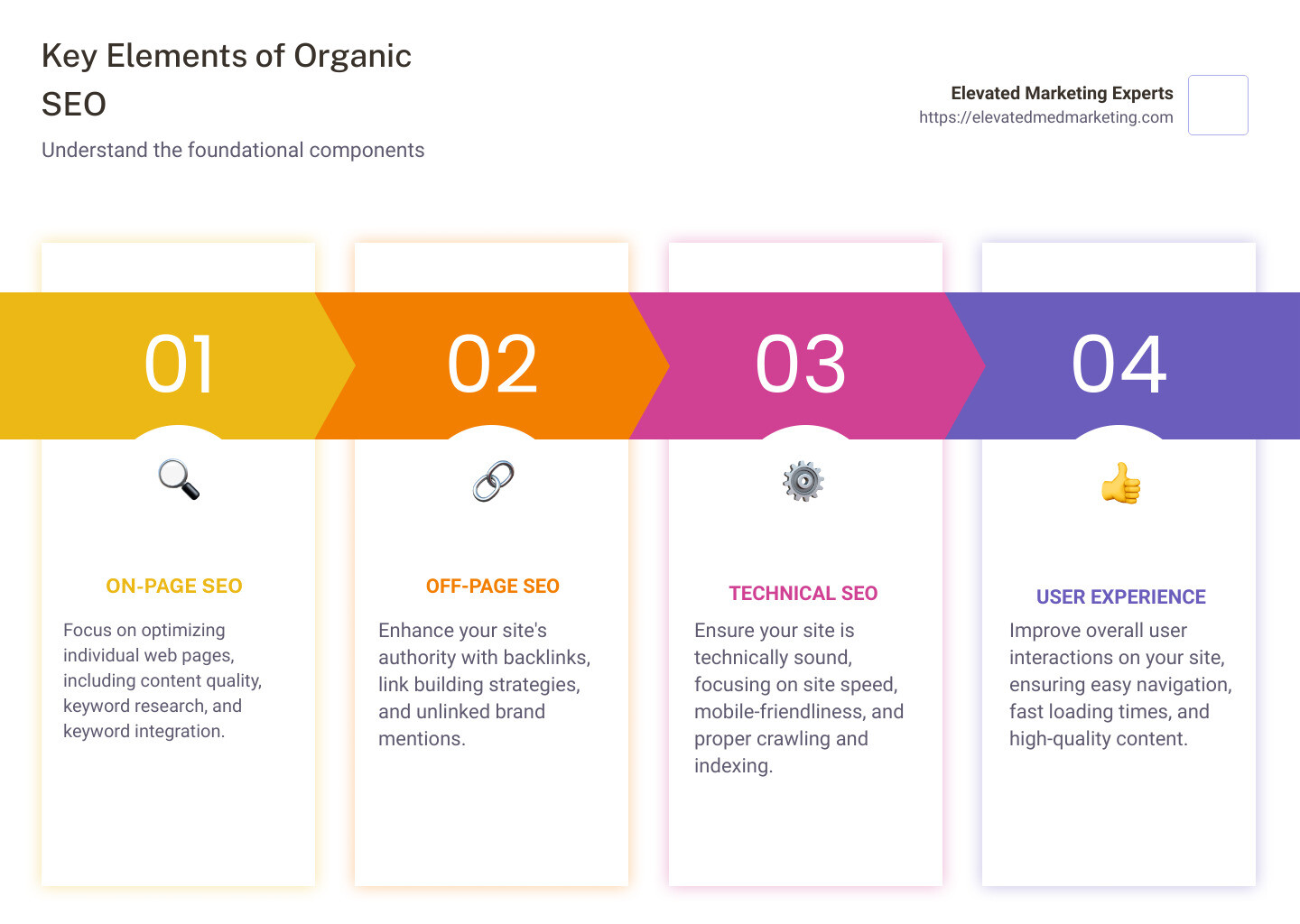
Naturally boosting your website rankings through unpaid search results is a sustainable way to attract more visitors and, eventually, customers. Engine optimization organic search focuses on strategies that improve your website’s visibility and authority in search engines like Google. This involves various techniques such as on-page SEO, off-page SEO, and technical SEO.
My name is Joe Amaral, and with over a decade of experience in engine optimization organic search, I’ve seen how effective organic SEO can transform businesses, leading to substantial and lasting growth.
Know your engine optimization organic search terms:
– organic search consulting
– organic search engine optimization services
– organic seo packages
What is Organic SEO?
Importance of Organic SEO
Organic SEO is essential for any business looking to achieve long-term online growth. It helps your website rank higher in search engine results pages (SERPs) without paying for ads. This means more visibility for your brand and more traffic to your site.
Brand Visibility
Ranking highly in organic search results increases your brand’s visibility. When people search for keywords related to your business, seeing your website at the top builds familiarity and trust.
Fact: A staggering 75% of searchers don’t click past the first page of results. If you’re not ranking highly, your website might not get any traffic.
Lead Generation
Organic SEO is an efficient way to generate leads. Unlike paid ads, which require ongoing budgets, organic rankings are a form of compounding returns. Once you start ranking, your website continues to attract traffic and leads for months or even years with minimal additional expense.
Sustainable Growth
Organic SEO offers sustainable growth for your business over the long term. Paid ads stop driving traffic once you stop paying, but organic search delivers ongoing results. By investing in organic SEO, you fuel continuous findy in search engines.
How Organic SEO Works
Organic SEO works by optimizing your website to rank higher in unpaid search results. The goal is to get more visibility when people search for relevant topics related to your business.
On-Page SEO
On-page SEO involves optimizing elements directly on your website. This includes:
- Keyword Research: Identifying the right keywords your audience is searching for.
- Content Quality: Creating high-quality, engaging content that provides value to users.
- Keyword Integration: Incorporating keywords naturally into your content, titles, and meta descriptions.
Off-Page SEO
Off-page SEO focuses on activities outside your website to improve its authority and trustworthiness. This includes:
- Backlinks: Building links from other reputable websites to yours.
- Link Building Strategies: Using techniques like guest blogging and influencer outreach to gain quality backlinks.
- Unlinked Brand Mentions: Turning mentions of your brand into links.
Technical SEO
Technical SEO ensures your website runs smoothly and is easy for search engines to crawl and index. This includes:
- Site Speed: Ensuring your website loads quickly.
- Mobile-Friendliness: Making sure your site works well on mobile devices.
- Crawling and Indexing: Making it easy for search engines to understand and index your site.
By leveraging these components, you can improve your website’s ranking in search results, leading to more traffic and potential customers.
Next, we’ll dive deeper into the key components of organic SEO and how to implement them effectively.
Key Components of Organic SEO
On-Page SEO
On-page SEO involves optimizing elements directly on your website to improve its search engine rankings. Here are the key aspects:
Keyword Research: This is the foundation of on-page SEO. Use tools like Google Analytics or HubSpot’s Sources report to identify high-traffic keywords relevant to your business. Targeting long-tail keywords can be especially effective as they often have lower competition.
Content Quality: High-quality content is crucial. It should be engaging, informative, and valuable to your audience. Google favors content that answers users’ questions and provides in-depth information. Regularly updating your content also signals to search engines that your site is active.
Keyword Integration: Once you have your keywords, integrate them naturally into your content, titles, meta descriptions, and headings. Avoid keyword stuffing as it can harm your rankings.
Off-Page SEO
Off-page SEO focuses on activities outside your website that can improve its authority and trustworthiness. Here are the main strategies:
Backlinks: Backlinks are links from other websites to yours. They act as votes of confidence and can significantly boost your rankings. Aim to get backlinks from reputable and relevant sites.
Link Building Strategies: Effective link-building strategies include guest blogging, influencer outreach, and creating shareable content. Establishing content partnerships with like-minded organizations can also be beneficial.
Unlinked Brand Mentions: Sometimes, other sites mention your brand without linking back to you. Reach out to these sites and request a link. This can be an easy way to gain additional backlinks.
Technical SEO
Technical SEO ensures your website is easy for search engines to crawl and index. Here are the critical components:
Site Speed: A fast-loading site is crucial. More than half of users will leave a site if it takes longer than three seconds to load. Tools like Google PageSpeed Insights can help you identify and fix speed issues.
Mobile-Friendliness: With more people using mobile devices to browse the web, your site must be mobile-friendly. Google’s Mobile-Friendly Test can help you assess and improve your site’s mobile performance.
Crawling and Indexing: Ensure that search engines can easily crawl and index your site. Use tools like ScreamingFrog or Semrush’s site auditor to identify and fix issues like broken links, duplicate content, and improper redirects.

By focusing on these key components—on-page SEO, off-page SEO, and technical SEO—you can significantly improve your website’s search engine rankings and drive more organic traffic.
Next, we’ll dive deeper into how to optimize your website for organic SEO and implement these strategies effectively.
How to Optimize Your Website for Organic SEO
Conduct Keyword Research
Keyword research is the bedrock of any successful organic SEO strategy. It involves identifying the words and phrases your target audience uses when searching for products or services like yours.
Use Keyword Tools
Start by using powerful keyword research tools like Google’s Keyword Planner or Ahrefs. These tools can help you find high-volume, low-competition keywords relevant to your business.
Search Volume and Keyword Difficulty
When evaluating keywords, pay attention to two main metrics:
- Search Volume: This indicates how often a keyword is searched. Higher search volume means more potential traffic.
- Keyword Difficulty: This measures how hard it will be to rank for a keyword. If your site is new, target keywords with lower difficulty to increase your chances of ranking.
Create High-Quality Content
Creating high-quality content is crucial for SEO. Google prioritizes content that is informative, engaging, and valuable to users.
Search Intent
Align your content with search intent. Understand what your audience is looking for and provide it. For instance, if your keyword is “get payday loan,” your content should not only explain how to get a payday loan but also detail how payday loans work, eligibility criteria, interest rates, and repayment terms.
Readability
Make your content easy to read. Use short paragraphs, bullet points, and subheadings to break up text. Tools like Hemingway Editor can help you improve readability.
Multimedia Integration
Incorporate multimedia elements like images, infographics, and videos to make your content more engaging. Multimedia can also improve dwell time, which is how long users stay on your page—a factor Google considers in rankings.
Improve Technical Aspects
Technical SEO ensures that your website is easy for search engines to crawl and index.
Page Speed
A fast-loading website is essential. If your site takes longer than three seconds to load, you risk losing more than half of your visitors. Use tools like Google PageSpeed Insights to identify and fix speed issues.
Mobile Optimization
With the majority of users browsing on mobile devices, your site must be mobile-friendly. Use Google’s Mobile-Friendly Test to ensure your site performs well on mobile devices.
Site Audit Tools
Regular site audits can help you identify and fix technical issues. Tools like ScreamingFrog or Semrush’s site auditor can highlight problems such as broken links, duplicate content, and improper redirects.
By focusing on these areas—keyword research, content creation, and technical optimization—you can significantly improve your website’s organic SEO and boost your search engine rankings.
Benefits of Organic SEO
Brand Awareness
Organic SEO is a powerful tool for building brand awareness. When your website ranks high on search engines for relevant keywords, it becomes more visible to potential customers. This visibility helps people become familiar with your brand, even if they don’t click immediately.
“Seeing your brand name multiple times in search results plants it in consumers’ minds,” explains SEO expert Rand Fishkin. This repetition can make your brand the go-to choice when they are ready to buy.
Cost-Effective Lead Generation
One of the biggest advantages of organic SEO is that it offers cost-effective lead generation. Unlike paid ads, which require continuous spending, organic SEO only requires an initial investment. Once your site ranks well, it continues to attract traffic with minimal ongoing expense.
Case in point: A study by TechTarget found that organic rankings can drive traffic and leads for months or even years after the initial SEO work is done.
Sustainable Growth
Organic SEO provides sustainable growth for your business. Unlike paid ads, which stop driving traffic as soon as you stop paying, organic SEO continues to deliver results over the long term.
By investing in organic SEO, you ensure continuous findy in search engines. Even with minimal ongoing efforts, your search rankings tend to persist, leading to compounding results month after month.
In summary, organic SEO is a smart, affordable, and sustainable strategy to boost your website’s visibility and drive long-term growth. Next, we’ll answer some frequently asked questions about organic SEO to help you get started.
Frequently Asked Questions about Organic SEO
What is organic search engine optimization?
Organic search engine optimization (SEO) is the practice of improving your website to rank higher in search engines’ unpaid results. It’s about earning your spot on the search engine results pages (SERPs) through quality content and ethical practices, not by paying for ads.
Think of it as growing a garden naturally, without using harmful chemicals. You nurture your site with good content, proper keywords, and solid backlinks to make it flourish in search results.
How does SEO improve organic search?
SEO improves organic search by making your website more relevant and attractive to search engines like Google. It involves three main components:
- On-Page SEO: This includes using the right keywords, creating high-quality content, and optimizing title tags and meta descriptions.
- Off-Page SEO: This focuses on building backlinks from other reputable sites to increase your site’s authority.
- Technical SEO: This ensures your site runs smoothly and is easy for search engines to crawl and index.
By optimizing these areas, you help search engines understand your site better, which improves your rankings and drives more traffic.
What is the difference between organic SEO and non-organic SEO?
The primary difference between organic and non-organic SEO lies in how you achieve your search engine rankings:
Organic SEO involves optimizing your website to earn traffic naturally. It focuses on creating valuable content, building quality backlinks, and ensuring a good user experience. This method is cost-effective and provides sustainable long-term results.
Non-Organic SEO, often referred to as paid search or pay-per-click (PPC), involves paying for ads to appear at the top of search results. While this can drive immediate traffic, it requires continuous spending. Once you stop paying, the traffic stops.
Organic SEO is about earning your place through merit, while non-organic SEO is about buying visibility. Both have their benefits, but organic SEO is generally seen as a more sustainable and cost-effective strategy.
By understanding these differences, you can choose the best approach to boost your website’s visibility and achieve your business goals.
Conclusion
At Elevated Marketing Experts, we believe that a well-executed organic SEO strategy is essential for long-term growth. Organic SEO, or organic search engine optimization, is about improving your website’s visibility in search engine results naturally. It’s a long-term investment that pays off by driving sustainable traffic to your website.
Why Choose Organic SEO?
- Sustainable Growth: Unlike paid ads, the benefits of organic SEO don’t disappear once you stop spending. Your website continues to attract visitors over time, thanks to high-quality content and solid backlinks.
- Cost-Effective: While it requires initial effort and investment, organic SEO is more cost-effective in the long run. You’re not paying for each click; instead, you’re earning traffic through valuable content and ethical practices.
- Builds Trust and Credibility: Users often trust organic results more than paid ads. By ranking high organically, you build credibility and trust with your audience.
How Elevated Marketing Experts Can Help
We specialize in creating customized organic SEO strategies custom to your business needs. Our approach involves:
- Keyword Research: We identify the most relevant and high-impact keywords for your business.
- Content Creation: Our team produces high-quality, engaging content that meets the search intent of your audience.
- Technical Optimization: We ensure your website is fast, mobile-friendly, and easy to steer, enhancing the user experience and making it easier for search engines to crawl and index your site.
Ready to boost your rankings naturally? Learn more about our organic SEO services here.
Long-Term Benefits
Organic SEO is not a quick fix but a long-term strategy that delivers lasting results. By focusing on quality and relevance, you can achieve continuous growth and a steady stream of high-quality leads.
In conclusion, investing in organic SEO is investing in the future of your business. It’s about creating a strong foundation that will support your online presence for years to come. At Elevated Marketing Experts, we’re here to help you every step of the way. Let’s elevate your online presence together.
Want to see how organic SEO can transform your business? Contact us today to get started.


