

Digital Marketing Trends Beauty Industry: Top 5 Exciting 2025
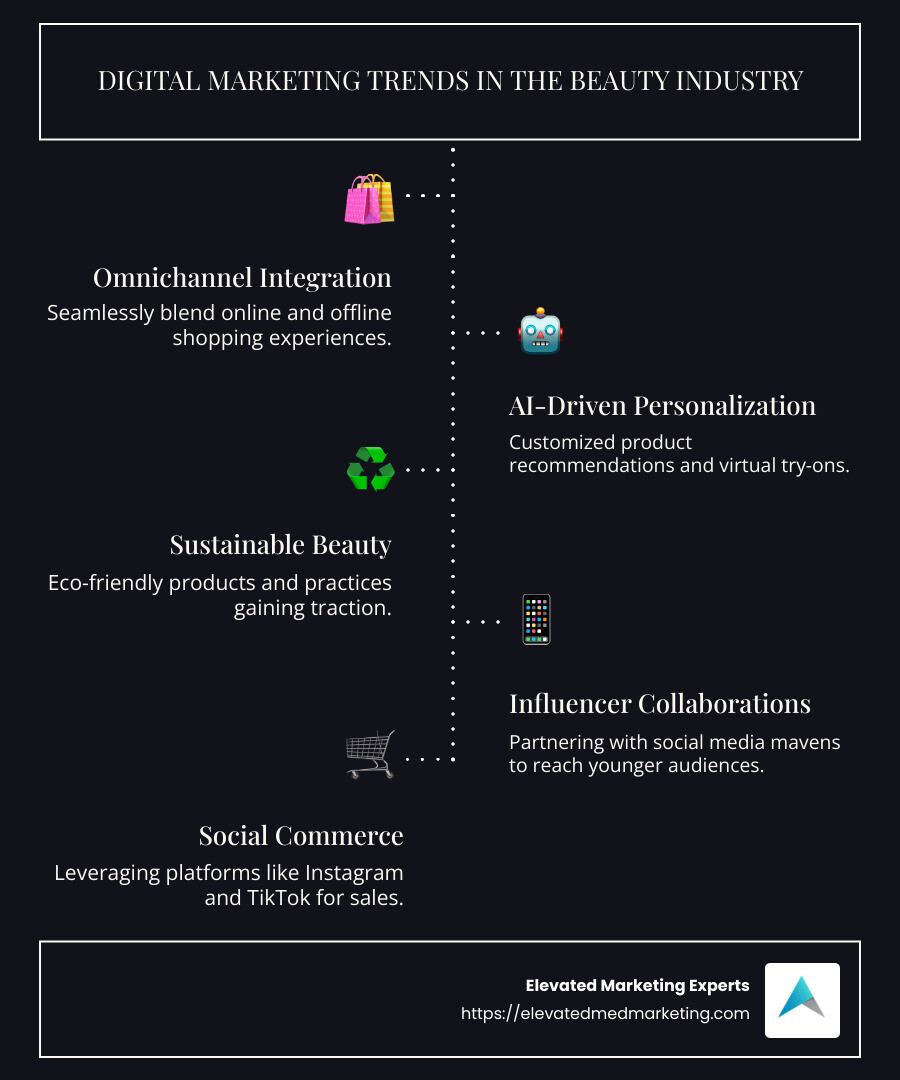
When it comes to digital marketing trends beauty industry, it’s clear that change is constant. As consumers continue to demand authentic interactions and personalized experiences, the beauty industry is evolving rapidly. Here’s a quick list of key trends shaping the landscape:
- Omnichannel integration: A seamless blend of online and offline shopping experiences.
- AI-driven personalization: Customized product recommendations and virtual try-ons.
- Sustainable beauty: Eco-friendly products and practices gaining traction.
- Influencer collaborations: Partnering with social media mavens to reach younger audiences.
- Social commerce: Leveraging platforms like Instagram and TikTok for sales.
In the world of beauty marketing, these trends cater to the consumer’s craving for genuine engagement and personal connection with brands.
My name is Joe Amaral, and as someone who has transitioned from a career in the Navy to founding a digital marketing company, I’ve witnessed the power of digital marketing trends beauty industry. My passion for creativity and problem-solving fuels my dedication to helping brands thrive in this dynamic space.
The Rise of AI in Beauty Marketing
Beaut-AI
Artificial intelligence is changing the beauty industry, making it smarter and more personalized than ever before. The term “Beaut-AI” captures this shift, where AI-powered tools are creating unique experiences for consumers.
AI-powered tools like virtual try-ons and personalized product recommendations are becoming essentials in beauty marketing. These tools allow customers to see how products will look on them without ever having to visit a store. Sephora, for instance, has integrated virtual try-ons that let users experiment with thousands of makeup shades using their phone’s camera.
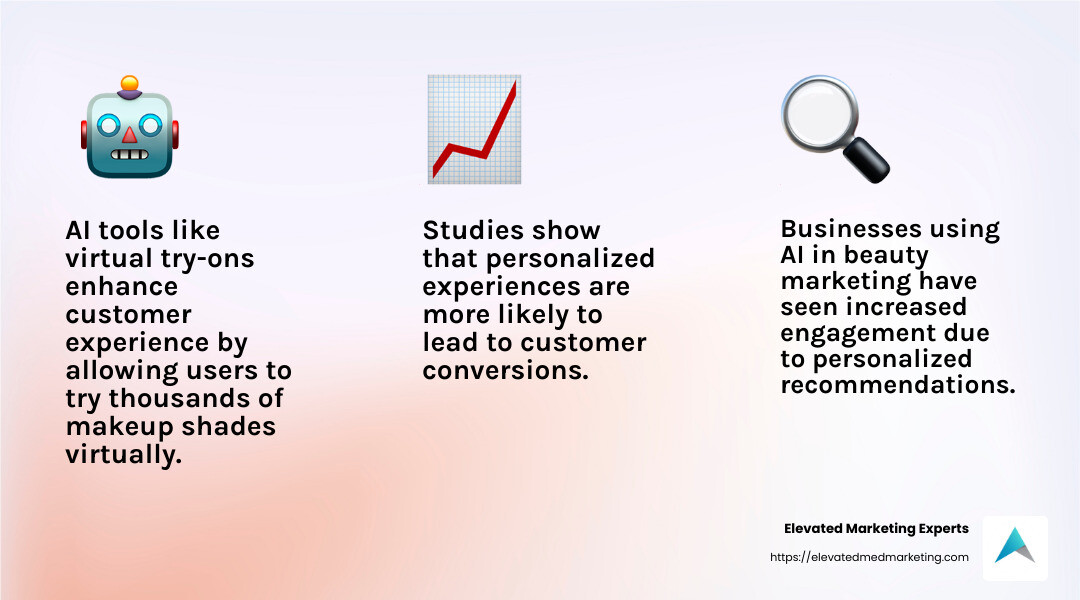
Personalized experiences are what consumers crave. According to McKinsey, 71% of consumers expect personalized shopping experiences, and 80% are more likely to return if they get it. AI helps brands meet this demand by analyzing data from quizzes, social media, and purchase history. This data-driven approach allows companies like L’Oréal to offer custom product recommendations, enhancing customer satisfaction and loyalty.
Renude is a great example of how AI is used for personalization. They offer a skincare quiz that uses AI to suggest products based on individual skin needs. This not only improves the shopping experience but also builds a stronger connection between the brand and the consumer.
10 Beauty has taken AI to another level with their manicurist robot, which uses AI to deliver precise nail art. This innovation highlights how AI can not only personalize but also automate beauty services, providing convenience and creativity to consumers.
Virtual try-ons and AI-driven tools are not just about convenience—they’re also about inclusivity. Estée Lauder, for example, uses virtual try-ons to cater to all eye shapes and skin tones, ensuring everyone can find products that suit them. This commitment to diversity makes AI a powerful tool for brands aiming to be more inclusive.
The AI beauty tools market is expected to grow significantly, with predictions that it will surpass $13 billion by 2030. This growth is driven by consumer demand for personalized and convenient shopping experiences. Brands investing in AI today are setting themselves up for success in an increasingly competitive market.
In conclusion, AI is not just a trend—it’s a revolution in the beauty industry. By offering personalized experiences and innovative tools, brands are not only meeting consumer expectations but also shaping the future of beauty marketing.
Engaging Gen Z and Gen A Audiences
Influencer Collaborations
In today’s beauty industry, social media influencers are the new marketing powerhouses, especially when it comes to engaging Gen Z and Gen A audiences. These younger generations live and breathe digital, and influencers are their go-to sources for beauty advice and product recommendations.
Gen Z, in particular, values authenticity and social responsibility. They are drawn to influencers who share these values and can provide genuine insights into products. Brands like Fenty Beauty and Rimmel have mastered the art of influencer collaborations, leveraging these partnerships to reach and engage younger audiences effectively.
For instance, Fenty Beauty, by Rihanna, has successfully used influencer marketing to break racial and regional barriers. By working with a diverse range of influencers, Fenty Beauty showcases its wide array of products, catering to various skin tones and types. This strategy not only boosts brand visibility but also reinforces Fenty’s commitment to inclusivity and diversity.
Rimmel has also tapped into the power of influencers, especially during the COVID-19 pandemic. They used Instagram stories to promote their mask-proof makeup, which resonated well with consumers who needed makeup solutions that worked with face coverings. This creative use of influencer content helped Rimmel maintain relevance and connect with their audience during challenging times.
One standout influencer is Emily Temby, who has become a key figure in beauty marketing. Her authentic style and genuine product reviews resonate with Gen Z followers, making her a valuable partner for brands looking to reach this demographic. Collaborations with influencers like Emily allow brands to tap into new audiences and build trust with potential customers.
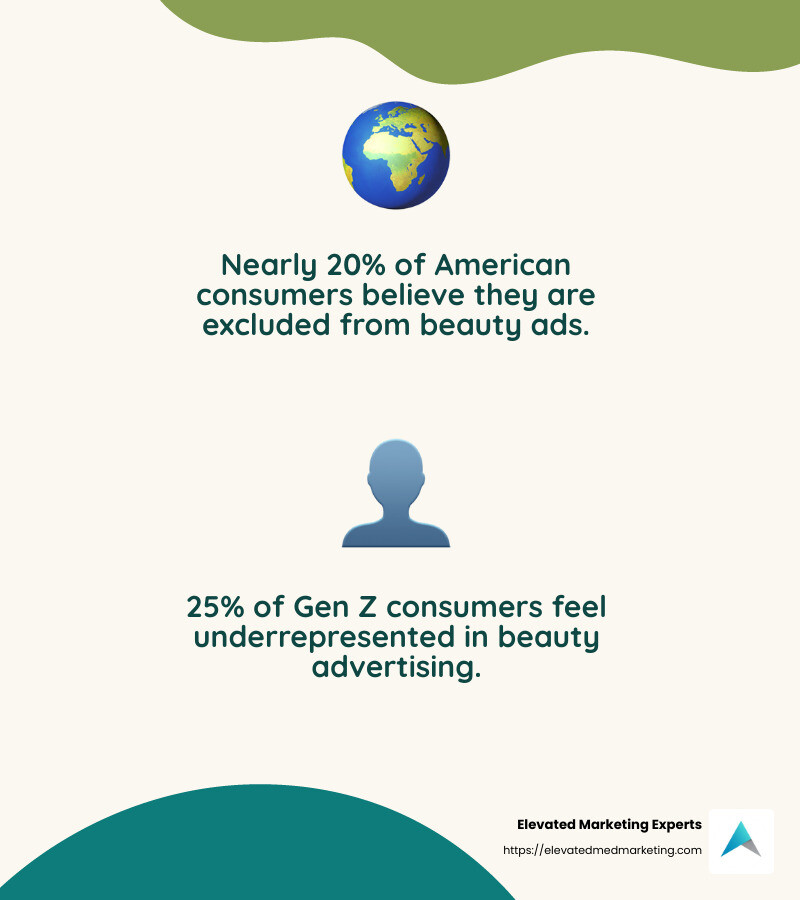
Gen A, the younger siblings of Gen Z, are growing up in an even more digital world. They are influenced by what they see online, and their beauty preferences are often shaped by the influencers they follow. While they may not yet have the purchasing power of their older counterparts, they are already forming brand loyalties that will influence their future buying decisions.
TikTok has emerged as a crucial platform for reaching both Gen Z and Gen A. The app’s viral nature and the #TikTokMadeMeBuyIt phenomenon have turned it into a social shopping hub. Brands like e.l.f. Cosmetics have capitalized on this trend by launching TikTok shops and collaborating with popular creators to showcase new products. This approach not only drives sales but also builds a community around the brand.
Influencer collaborations are not just a trend—they are a vital component of digital marketing strategies in the beauty industry. By partnering with the right influencers, brands can engage younger audiences, build trust, and ultimately drive sales.
Sustainable and Clean Beauty Trends
Clean Beauty 2.0
In the beauty industry, eco-friendly products and clean beauty are more than just buzzwords—they’re reshaping the market. Consumers are increasingly seeking products that are not only effective but also kind to the planet and their skin.
Clean Beauty 2.0 is all about transparency and the use of natural ingredients. Brands like Youth to the People are pioneers in this space. They focus on superfood-packed skincare products that are vegan and cruelty-free. Their formulas, like the superfood antioxidant cleanser, are made with natural ingredients that nourish the skin without harmful chemicals.
Similarly, Sothis Pure Beauty is making waves with its commitment to sustainability. They emphasize the use of eco-friendly materials and sustainable practices in their product lines, ensuring that every step of their production process is kind to the environment.
Sustainable packaging is another critical aspect of Clean Beauty 2.0. As the demand for environmentally friendly products grows, brands are adopting innovative packaging solutions. For instance, some are shifting to 100% recycled bottles or using glass and aluminum to reduce plastic waste. Seed Phytonutrients is an excellent example, opting for sustainable materials to package their beauty products.
The move towards clean beauty isn’t just about what’s in the bottle—it’s also about how the bottle itself impacts the planet. Mainstream brands like L’Oreal are also jumping on the bandwagon, planning to incorporate more recycled plastics and refillable options in their product lines.
The clean beauty market is projected to grow significantly, with a focus on safe, non-toxic ingredients. By 2024, it’s expected to reach a value of $22 billion. This shift indicates a broader trend towards sustainability and eco-consciousness in beauty, driven by consumer demand for products that align with their values.
In summary, Clean Beauty 2.0 is not just a trend; it’s a movement towards a more sustainable, transparent, and environmentally friendly beauty industry. Brands that accept this change are likely to thrive as consumers continue to prioritize sustainability in their purchasing decisions.
Digital Marketing Trends in the Beauty Industry
Social Commerce
In the world of beauty, digital marketing trends are constantly evolving. One of the most exciting developments is the rise of social commerce. This trend combines social media and online shopping, making it easier than ever for consumers to purchase their favorite beauty products directly through platforms like Instagram and TikTok.
Instagram Shopping has become a game-changer for beauty brands. By integrating shopping features into the app, Instagram allows users to find and buy products without leaving the platform. This seamless experience improves customer engagement and boosts sales. Brands can tag products in their posts and stories, creating a direct path from inspiration to purchase.
Similarly, TikTok has emerged as a powerful tool for beauty marketing. With its vibrant community and viral trends, TikTok offers brands the chance to reach younger audiences in creative ways. The platform’s short-form videos are perfect for showcasing products, tutorials, and user-generated content. Brands like e.l.f. Cosmetics have mastered this approach. Their campaigns, such as the “Eyes.Lips.Face.” challenge, have garnered millions of views and sparked widespread interest in their products.
Personalized marketing is another key trend in the beauty industry. By leveraging data and AI, brands can tailor their marketing efforts to individual preferences. This approach not only improves customer satisfaction but also increases conversion rates. Personalized recommendations, whether through quizzes or targeted ads, help consumers find products that suit their needs, making the shopping experience more enjoyable.
Content marketing remains a cornerstone of digital strategy for beauty brands. Creating valuable, engaging content helps build brand authority and foster community. Tutorials, product reviews, and behind-the-scenes looks are popular content types that resonate with audiences. By sharing authentic stories and experiences, brands can connect with consumers on a deeper level.
In conclusion, the integration of social commerce, personalized marketing, and content marketing is reshaping the beauty industry. As platforms like Instagram and TikTok continue to innovate, brands that embrace these trends will lead the charge in engaging and converting their audiences.
Next up: Frequently Asked Questions about Digital Marketing Trends in the Beauty Industry
Frequently Asked Questions about Digital Marketing Trends in the Beauty Industry
What are the latest digital marketing trends in the beauty industry?
The beauty industry is witnessing a digital revolution, with several key trends taking center stage:
Social Commerce: Platforms like Instagram and TikTok are not just for sharing photos anymore. They have evolved into powerful shopping tools. For example, Instagram Shopping allows users to buy products directly from the app, making the shopping process seamless and engaging.
AI-Powered Personalization: AI is changing how brands interact with consumers. Tools like skin analysis algorithms and personalized quizzes offer custom product recommendations. This trend is evident in brands like Renude, which uses AI to personalize skincare routines.
Influencer Collaborations: Influencers remain a crucial part of beauty marketing, especially for reaching Gen Z and Gen A audiences. Collaborations with influencers like Emily Temby help brands connect with younger consumers in authentic ways.
Sustainability and Clean Beauty: Consumers are increasingly focused on eco-friendly and clean products. Brands are responding by offering sustainably packaged and natural ingredient-based products, as seen with Youth to the People.
How is AI changing beauty marketing?
AI is revolutionizing beauty marketing by providing personalized experiences that consumers crave. According to McKinsey, 71% of consumers expect personalized shopping experiences, and AI delivers just that. Here’s how:
Virtual Try-Ons: Tools that allow consumers to try on makeup virtually have become popular. These tools reduce uncertainty and increase satisfaction, leading to fewer product returns.
Personalized Recommendations: AI-driven quizzes and analysis help brands offer customized product suggestions, enhancing the shopping experience. For instance, 10 Beauty’s manicurist robot exemplifies the innovative use of AI in beauty.
Data-Driven Insights: AI helps brands understand consumer behavior better, allowing for more targeted and effective marketing strategies. This results in higher conversion rates and improved customer loyalty.
Why is sustainability important in beauty marketing?
Sustainability is becoming a non-negotiable aspect of beauty marketing for several reasons:
Consumer Demand: A significant portion of consumers, 83% to be exact, express concern over environmental issues, including ocean pollution. This concern drives them towards brands that prioritize sustainable practices.
Blue Beauty Movement: Coined by Jeannie Jarnot, this trend emphasizes ocean-safe ingredients and eco-friendly products. Brands adopting this trend not only cater to consumer preferences but also contribute positively to the environment.
Long-Term Brand Loyalty: Brands that focus on sustainability often enjoy stronger relationships with their customers. By investing in sustainable packaging and clean ingredients, brands like Clé de Peau Beauté align themselves with consumer values, fostering loyalty and trust.
Embracing these trends not only aligns with consumer values but also positions beauty brands for long-term success in a competitive market.
Next up: Conclusion
Conclusion
The beauty industry is experiencing remarkable growth, driven by innovation and changing consumer preferences. As we look towards the future, it’s clear that digital marketing will play a pivotal role in shaping this dynamic landscape.
Elevated Marketing Experts is at the forefront of this change. We specialize in crafting custom marketing strategies that align with the latest trends, ensuring our clients stay ahead of the curve. Our expertise in organic SEO, content creation, and branding helps beauty brands connect with their audiences in meaningful ways.
Beauty Industry Growth
The beauty industry is ready for continued expansion. According to a report by McKinsey & Company and The Business of Fashion, global retail beauty sales are expected to grow from $427 billion in 2022 to about $583 billion by 2027. This growth is fueled by emerging markets and increased consumer spending on beauty products.
E-commerce is a key driver of this growth. Online beauty sales are projected to reach $45 billion in the U.S. alone by 2027. Platforms like Instagram and TikTok are changing into powerful social commerce tools, allowing consumers to purchase products directly from their feeds.
Future Trends
Looking ahead, several trends are set to redefine the beauty industry:
AI and Personalization: AI-powered tools will continue to improve the consumer experience by providing personalized recommendations and virtual try-ons. Brands like Renude and 10 Beauty are leading the way in AI innovation.
Sustainability and Clean Beauty: The demand for eco-friendly products and sustainable packaging will only grow stronger. The Blue Beauty movement, which emphasizes ocean-safe ingredients, is here to stay.
Influencer Collaborations: Engaging with influencers will remain crucial for reaching younger audiences. Authentic partnerships with influencers like Emily Temby will help brands build trust and connect with Gen Z and Gen A consumers.
As the beauty industry evolves, so too must your marketing strategies. Partnering with a knowledgeable agency like Elevated Marketing Experts can ensure your brand not only keeps up with these trends but thrives in this competitive market.
If you’re ready to elevate your beauty brand’s digital presence, learn more about our digital marketing services for spas. Let’s work together to create a strategy that captures the essence of your brand and resonates with your audience.


