

Creating visual content for social media: 9 Powerful Positive Trends 2025
Capture Attention: The Power of Visual Storytelling
Remember when you last found yourself mindlessly scrolling through social media, then suddenly stopped because something caught your eye? That’s the magic of visual content at work!
Creating visual content for social media isn’t just a nice-to-have anymore—it’s become absolutely essential for anyone wanting to make an impact online. Think of it like this: in the crowded hallways of social media, visuals are your bright outfit that makes people turn their heads and pay attention.
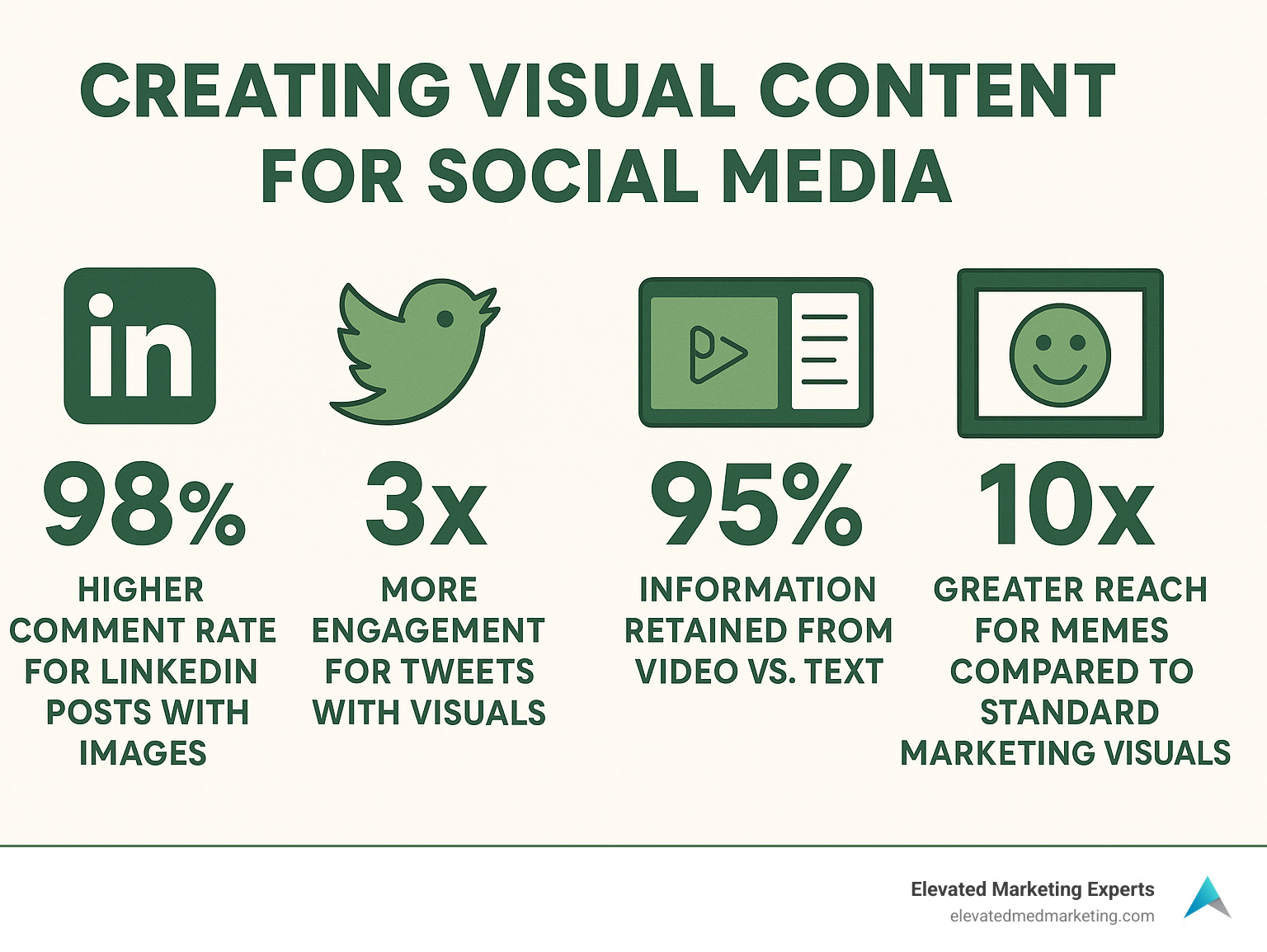
The numbers tell the story better than I could. When you add images to LinkedIn posts, you’ll see comment rates jump by a whopping 98%. Over on Twitter, visual tweets receive three times more engagement than text-only posts. And if you’re on Instagram, carousel posts average a 3.15% engagement rate compared to the platform average of 1.94%.
Why such a dramatic difference? It comes down to how our brains are wired. We process images 60,000 times faster than text—which is perfect for today’s fast-scrolling, short-attention-span environment. When everyone’s thumb is moving at lightning speed, your visual content can be the thumb-stopper that makes people pause and engage.
In my years helping medical spas and plastic surgeons build their online presence, I’ve seen how the right visual can transform an ordinary post into a client magnet. Whether it’s before-and-after photos (properly consented, of course) or beautifully designed infographics about treatment benefits, visuals speak directly to potential clients in ways text simply cannot.
Getting started with creating visual content for social media doesn’t have to be complicated. Focus on choosing the right format for your message—photos work great for showcasing results, videos excel at explaining procedures, and carousels are perfect for step-by-step information. Remember to maintain consistent branding with your colors and fonts, optimize sizes for each platform, include subtle brand elements, and always add accessibility features like alt text and captions.
The truth is simple: in today’s digital landscape where attention is the most valuable currency, your ability to create eye-catching visuals directly impacts your social media success and, ultimately, your practice’s growth. Throughout this guide, we’ll dive deeper into exactly how to create visuals that not only stop the scroll but convert viewers into loyal patients.
Visual Content 101: Definition, Importance & Psychology
When we talk about creating visual content for social media, we’re referring to any image-based content that tells a story, shares information, or stirs emotion. This includes everything from simple photos and videos to carousels, GIFs, infographics, animations, and even those viral memes everyone loves to share. For our aesthetic and wellness clients, this often means stunning before-and-after treatment photos, engaging procedure explainer videos, or warm staff introduction graphics that build trust.
The science behind why visuals work so well is actually fascinating. MIT researchers finded that our brains can process images in just 13 milliseconds – that’s incredibly faster than text! This rapid processing creates what we lovingly call the “thumb-stopper effect” – that magical moment when someone scrolling through their feed suddenly pauses because your visual content caught their eye.
But capturing attention is just the beginning. When people watch video content, they retain about 95% of the information, compared to a mere 10% when reading text. This makes visual content particularly valuable for medical spas and plastic surgeons who need to explain complex procedures in ways patients can easily understand and remember.
Why Visual Content Dominates Feeds
We’re living in what I call “scroll culture” – that habit we all have of rapidly swiping through content until something catches our eye. In this environment, visuals have become the true attention-grabbers, and here’s why:
Our brains are naturally wired to notice changes in our environment – it’s a survival mechanism. A beautiful image or compelling video creates a pattern interruption in the endless scroll, making your content stand out. Visuals also create emotional connections much faster than text alone. When your aesthetic practice shows the genuine confidence boost that comes from treatments, you create an emotional resonance that words simply cannot match.
There’s also the memory factor – when information comes with relevant images, people remember about 65% of it three days later, versus just 10% with text alone. In our information-overloaded world, visuals provide a mental shortcut, communicating complex ideas instantly.
As one of our plastic surgeon clients recently told me: “When we switched from text-heavy posts to change videos, our engagement increased by 300%. People want to see results, not just read about them.” That’s the power of visual storytelling in action!
Key Benefits for Marketers
For aesthetic and wellness practices, strategic visual content delivers benefits that go far beyond just racking up likes:
Expanded reach is probably the most immediate benefit. Social media algorithms tend to favor visual content, helping it reach more people organically. Pages that consistently post photos typically see a 114% boost in impressions and double their engagement rates.
Higher engagement comes naturally with visual content. Those LinkedIn posts with images? They receive 98% higher comment rates on average. This engagement creates conversations around your services and treatments.
Improved conversion is where visuals really shine, bridging the gap between awareness and action. About 73% of adults are more likely to purchase after watching a product video – and the same psychology applies to booking consultations.
SEO advantages are often overlooked, but using video content can drive organic search traffic by an impressive 41%, while properly optimized images contribute to better search visibility and traffic.
Trust building is perhaps the most valuable benefit for aesthetic practices. Authentic visuals (especially thoughtfully presented before-and-after content) build the credibility and trust essential for patients considering procedures.
One medical spa we work with implemented a consistent visual strategy and saw their consultation bookings increase by 47% within just three months – with no change in ad spend! The visuals helped potential patients visualize results and reduced their uncertainty about treatments.
The research is clear – the human brain processes visual information 60,000 times faster than text, making visual content perfectly suited for today’s fast-scrolling social media environment. When LinkedIn reports that posts with images receive 98% higher comments, it’s not just interesting data – it’s a roadmap for connection.
The Big 9 Visual Formats & How to Create Them
When it comes to creating visual content for social media, understanding the different formats and their strategic applications is crucial. Each visual type has its own special power to connect with your audience. Let’s explore the nine most effective visual formats that can transform your aesthetic practice’s social presence.
Creating Visual Content for Social Media: Static Images & Carousels
Static images remain the foundation of social media content, especially for showcasing those impressive before-and-after results that aesthetic practices are known for. To create images that truly pop:
Focus on capturing high-quality, well-lit photos that clearly show what you want to highlight. The rule of thirds is your friend here – positioning key elements at those invisible grid intersections creates naturally appealing compositions. Don’t be afraid of white space! Giving your visual elements room to breathe makes your content look more professional and easier to digest.
Remember to include subtle branding, like a small logo in the corner. This ensures your content remains recognizable when shared, without being overly promotional.
Carousels have become powerhouses for aesthetic practices, generating an impressive 3.15% engagement rate on Instagram – that’s 62% higher than standard posts! They’re perfect for walking potential clients through procedure steps, displaying multiple treatment results, or breaking down complex information into bite-sized, swipeable pieces.

As social media expert Marie Ennis-O’Connor notes, “One of the most effective ways to cut through the noise on social media is to create visually appealing content.” We’ve seen this with our plastic surgery clients – carousels showing the progressive healing journey after procedures generate 2.4× more saves than single images. People love to see the process!
Creating Visual Content for Social Media: Videos, Reels & Live Streams
Video content has taken over social media, with 54% of American marketers calling it their most valuable content type. For aesthetic practices, videos build trust by showing your expertise in action.
With short-form videos like Reels and TikToks, those first three seconds are make-or-break. Start with an attention-grabbing hook that makes viewers stop scrolling. Keep videos under 60 seconds for highest completion rates, and don’t forget to add captions – nearly half of users watch without sound! Tapping into trending audio (when it fits your brand) can also boost visibility.
For longer videos, focus on educational content that showcases your knowledge. Patient testimonials (with proper consent) are gold, as are facility tours and non-invasive treatment demonstrations. These longer formats give you space to establish authority and answer common questions.
Live streams create real-time connections with your audience. Hosting Q&A sessions about popular treatments or conducting live demonstrations lets potential patients see the real you – building trust and comfort. One plastic surgeon we work with started weekly “Ask Me Anything” live sessions and saw consultation requests jump by 27%!

Pro tip: Always manually select your video thumbnails rather than using auto-generated ones. A striking thumbnail can boost click-through rates by up to 34% – that’s a lot of extra viewers for just a few seconds of work!
Infographics, GIFs & Memes that Educate or Entertain
When explaining complex topics like procedure comparisons or recovery timelines, infographics are your best friend. They’re 30 times more likely to be read than articles on the same subject! Use them to break down procedures into visual steps, compare treatment options, or illustrate recovery timelines in a way that’s instantly understandable.
GIFs and animated content add eye-catching movement without requiring the commitment of watching a full video. Before-and-after transitions with a simple swipe effect can showcase results dramatically. Even subtle animations highlighting treatment areas can make educational content more engaging.
Memes and humor can humanize your practice when used thoughtfully. A well-placed, tasteful meme can achieve up to 10× greater reach than standard marketing visuals. Just remember to keep it professional – you’re still a medical practice!
Power of User-Generated Content & Collaborations
Nothing builds trust like seeing real results from real patients. User-generated content (UGC) is marketing gold for aesthetic practices. Patient selfies showing results, video testimonials, and authentic before-and-after comparisons provide social proof that your own marketing simply can’t match.
UGC can deliver up to 14× more reach and 3.2× higher engagement compared to content you create yourself. For aesthetic practices, this translates directly to more qualified leads walking through your door.
Always get written permission before sharing patient content, credit the original creator, and consider creating a branded hashtag to collect submissions. Engaging with shared content shows appreciation and encourages more patients to share their experiences.
One medical spa we work with launched a “Share Your Glow” campaign, encouraging patients to post results with a branded hashtag. Within just three months, they collected over 200 authentic patient testimonials that they repurposed across their marketing channels. The result? A 32% increase in new patient inquiries – all from letting satisfied clients tell their stories.
Designing for Impact: Principles, Branding & Accessibility
Have you ever noticed how some brands just feel instantly recognizable on social media? That’s no accident. When creating visual content for social media, thoughtful design principles make all the difference between content that blends into the noise and content that stops thumbs mid-scroll.
Building an On-Brand Visual System
Think of your brand’s visual identity like your practice’s signature look—it should be consistent and immediately recognizable. Just as you wouldn’t change your logo every week, your social media visuals need coherence to build trust.
“Don’t be a chameleon,” as social media expert Donna Moritz wisely puts it. “Consistency of message, consistency of brand, consistency of voice is what connects you to your community and establishes trust.”
For medical spas and aesthetic practices, this consistency is particularly important since patients are trusting you with their appearance. Start by establishing your core visual elements: a limited color palette (2-3 primary colors with 2-3 complementary colors), a couple of complementary fonts (one for headlines, one for body text), and a defined photography style that reflects your practice’s personality.
Tools like Canva’s Brand Kit or Adobe Express’s Brand Hub are fantastic for storing these elements, making it easy for anyone on your team to create content that stays on-brand. We often recommend our clients create a simple one-page brand guide that includes color HEX codes, font selections, logo usage guidelines, photography examples, and voice characteristics—this becomes your visual roadmap for all content creation.
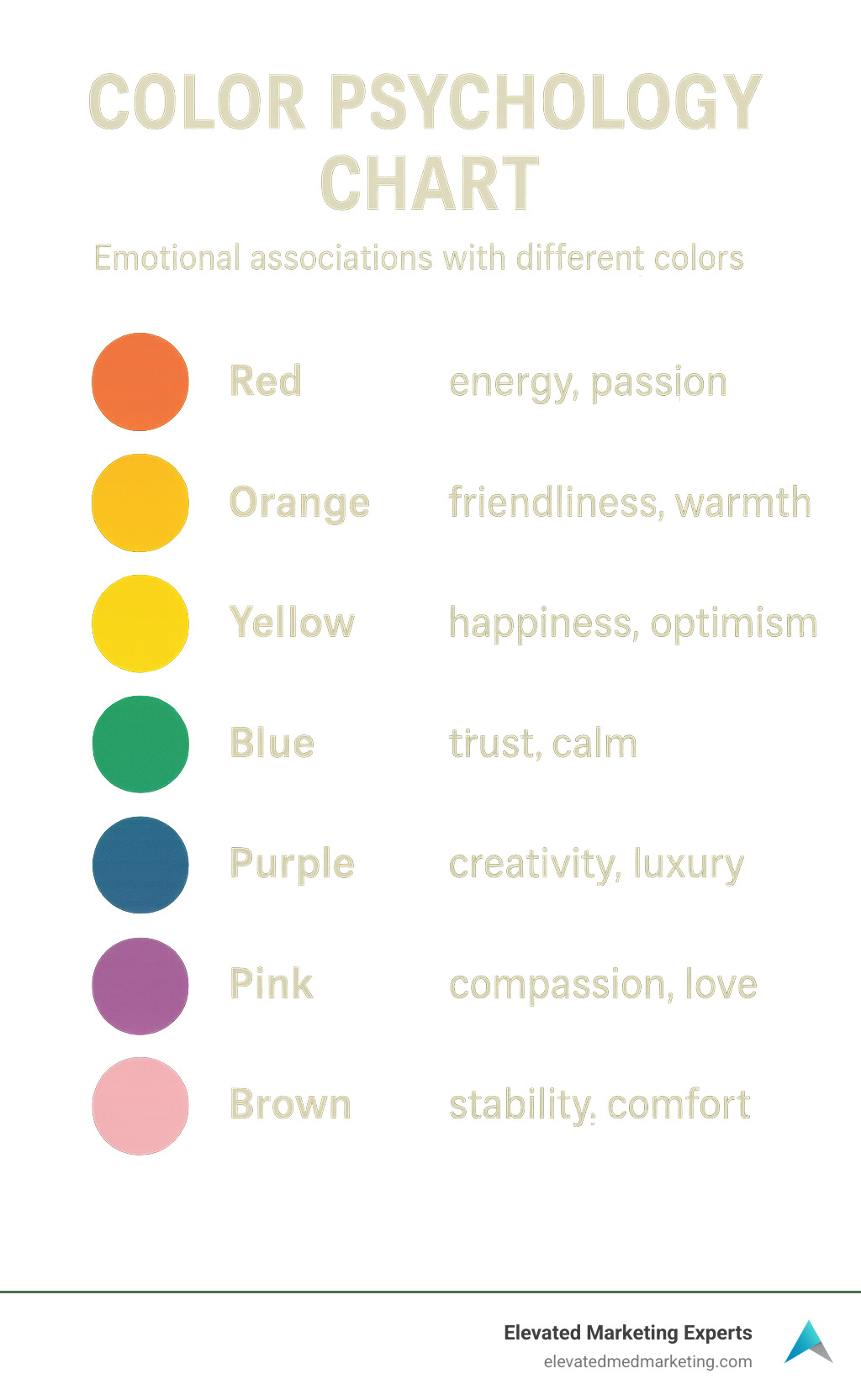
Blue tones often work beautifully for aesthetic practices, conveying professionalism and trust, while soft pinks or greens can suggest rejuvenation. Whatever palette you choose, consistency is key.
Accessibility & Inclusive Design Checklist
Here’s something many aesthetic practices overlook: approximately 15% of the global population lives with some form of disability. Making your content accessible isn’t just the right thing to do—it’s good business sense that expands your reach.
One plastic surgeon we work with experienced this firsthand. After implementing proper captioning and alt text on all social content, they saw engagement jump by 23%. Even more interestingly, patients began specifically mentioning the practice’s commitment to accessibility during consultations—it became a genuine differentiator.
When creating visual content for social media, keep these accessibility principles in mind:
Add thoughtful alt text to describe your images for people using screen readers. For before/after photos, focus on describing the results rather than physical appearances. Use sufficient color contrast between text and backgrounds (WCAG recommends at least a 4.5:1 ratio for normal text) to ensure everyone can read your content easily.
Always include captions on videos since many people watch without sound (about 47%!), and avoid rapid flashing content that could trigger seizures in people with photosensitive epilepsy. Keep text large enough to read on mobile without zooming, and make a conscious effort to represent diversity in your imagery so all potential patients can see themselves reflected in your content.

Accessible design doesn’t mean boring design. You can create content that’s both visually stunning and accessible to all—and your practice will stand out for doing so. The most beautiful treatment photos in the world won’t matter if a significant portion of your audience can’t fully experience them.
Platform Optimization & Tool Stack
Ever notice how the same photo can look amazing on Instagram but awkward on LinkedIn? That’s because each social platform has its own unique specifications and audience expectations. When creating visual content for social media, understanding these differences is like knowing which fork to use at a fancy dinner—it shows you belong.
Each platform has its sweet spot for image sizes, aspect ratios, and content types. For instance, Instagram prefers square (1:1) or vertical (4:5) images, while LinkedIn performs better with horizontal (16:9) visuals. Getting these details right isn’t just about looking professional—it actually affects how many people see your content.
“We doubled our reach simply by optimizing our image sizes for each platform,” shared one of our plastic surgery clients. “It’s such a small thing that makes a huge difference.”
For the most current specifications, check out Hootsuite’s always-up-to-date social media image size cheat sheet. This free resource includes recommended photo dimensions for every type of image on every major network—a real time-saver when you’re busy running a practice.
Must-Have Creation & Management Tools
You don’t need to be a professional designer to create stunning visuals. The right tools can make creating visual content for social media surprisingly simple, even for busy medical professionals.
Canva Pro is like the Swiss Army knife of design tools. Its intuitive drag-and-drop interface and pre-sized templates make creating professional-looking posts quick and painless. One medical spa owner told us, “I went from spending hours struggling with Photoshop to creating a week’s worth of content in 30 minutes with Canva.”
For video content, CapCut has become our go-to recommendation. It strikes the perfect balance between powerful features and ease of use, letting you create professional-looking procedure videos or patient testimonials without a film degree. The built-in templates are particularly helpful for creating those attention-grabbing first 3 seconds that keep viewers watching.
When it comes to optimizing your images (which helps them load faster and look better), Compressor.io works like magic. It shrinks file sizes by up to 90% without any noticeable quality loss—crucial for maintaining that crisp, professional look while keeping your website speed high.
For managing it all, Hootsuite Composer allows you to schedule posts across multiple platforms and track their performance from one dashboard. This means you can batch-create content during quieter periods and have it automatically post throughout the week—a game-changer for practices with limited marketing staff.
The Eye-Dropper Chrome extension is a tiny tool that makes a big difference. It lets you capture the exact color codes from any website, ensuring your visuals always use your precise brand colors rather than “close enough” approximations.
Workflow Tips & Trend Surfing
Creating consistent, high-quality visual content doesn’t have to be a time drain. With the right workflow, even busy aesthetic practices can maintain an impressive social presence.
Batch production is the secret weapon of efficient content creators. Instead of scrambling to make posts daily, set aside dedicated time every two weeks to create multiple pieces at once. This approach is dramatically more efficient because you’re already “in the zone” with your tools open and creative juices flowing.
One dermatology practice we work with implemented what they call “Content Mondays”—devoting the first Monday morning of each month to capturing all necessary photos and filming short procedure clips. Their marketing assistant then turns these raw materials into finished posts throughout the month. This system reduced their content creation time by 70% while actually improving quality and consistency.
When it comes to staying current with visual trends without sacrificing professionalism, think of it as adapting rather than copying. You don’t need to dance on TikTok (unless you want to!), but you can borrow the pacing, transitions, or formats that make trending content engaging.
Monitoring hashtags in your specialty (#aestheticmedicine, #plasticsurgery) can provide inspiration for content that’s already resonating with your target audience. Similarly, keeping an eye on audio trends can boost your findability—using trending sounds on Reels or TikTok can increase your reach by up to 68%, even when your content is educational rather than entertaining.
The most successful practices we work with conduct regular micro-experiments with their visual content. They’ll test different thumbnail images for the same video, or try various carousel arrangements to see what drives the most engagement. These small tests provide valuable insights without risking your professional image.
Creating visual content for social media isn’t about perfection—it’s about connecting authentically with potential patients. Sometimes the slightly imperfect, genuine behind-the-scenes photo outperforms the polished professional shot because it feels more real and trustworthy—exactly what patients are looking for in a medical provider.
Measuring Success & Future Trends
Let’s be honest—creating gorgeous visuals is only half the battle in social media marketing. The real magic happens when you understand how your content performs and make smart adjustments based on what you learn.
For our aesthetic practice clients, we’ve found that tracking these performance indicators gives the clearest picture of success:
Engagement rate is your fundamental metric—calculated by dividing total interactions (likes, comments, shares) by impressions, then multiplying by 100. While 1-3% is considered average across platforms, our top-performing clients consistently hit the 3-6% range, which is excellent by industry standards.
Saves have become particularly valuable for aesthetic practices. When someone saves your before/after gallery or procedure explanation, they’re essentially bookmarking it for future reference—often when they’re closer to making a decision about treatment.
Pay attention to reach and impressions, but focus on trends rather than absolute numbers. A steady upward trajectory matters more than occasional viral spikes that don’t translate to consultations.
For content designed to drive website visits or bookings, link clicks tell you how effectively your visuals are motivating action. The conversion rate from clicks to consultations is even more telling—it reveals whether your visual content is attracting qualified leads or just casual browsers.
While follower growth feels good, we encourage our clients to value quality over quantity. Having 500 followers in your geographic service area is infinitely more valuable than 5,000 scattered across the globe.
Perhaps the most overlooked metric is consultation mentions—tracking how many new patients specifically mention seeing your practice on social media. This direct business impact metric connects your visual content efforts to actual revenue.
Most social platforms offer decent native analytics, but for our clients managing multiple channels, tools like Hootsuite Analytics or Sprout Social provide valuable cross-platform insights in a single dashboard.
Looking ahead, the visual content landscape for aesthetic practices is evolving rapidly. AI-improved creation tools like Canva’s Magic Design and Adobe’s Generative Fill are democratizing professional-quality design, making it accessible even to practices without dedicated designers.
Augmented reality experiences are becoming increasingly sophisticated, with virtual try-ons for aesthetic procedures likely to become standard in the coming years. Imagine patients being able to visualize potential results before even booking a consultation!
Shoppable video content with direct booking capabilities will continue streamlining the patient journey, reducing friction between inspiration and action. We’re already seeing early adopters implement this technology with promising results.
As attention spans continue to shrink, micro-video content under 15 seconds that delivers quick educational value will become increasingly important. These ultra-short clips work perfectly for explaining simple procedure benefits or showcasing quick results.
Finally, interactive visual content like polls, quizzes, and interactive before/afters will create new engagement opportunities beyond passive viewing.
Setting Benchmarks & Iterating Creatives
For sustainable growth with your creating visual content for social media efforts, you need clear benchmarks and a systematic approach to improvement.
Start by setting SMART goals for your visual content—Specific, Measurable, Achievable, Relevant, and Time-bound objectives that give you clear targets to aim for.
We recommend implementing what we call a test-learn-scale approach with our clients. Test new visual formats with smaller audience segments, learn from the performance data, then scale successful approaches to larger campaigns. This minimizes risk while maximizing learning.
Creative fatigue is real—even your most successful visual formats will eventually see declining engagement. Monitoring when this happens allows you to refresh your approach before performance drops significantly.
Don’t forget to regularly audit competitors’ visual content. This isn’t about copying, but rather finding inspiration and identifying differentiation opportunities that highlight your unique approach to patient care.
Quarterly content audits have proven invaluable for our clients. By reviewing their top and bottom-performing visuals, we identify patterns that inform strategy adjustments. Often, small tweaks based on these insights yield outsized results.
One of our medical spa clients acceptd this systematic approach and finded something fascinating: their procedure videos under 30 seconds with clear before/after transitions consistently outperformed longer educational content. By adjusting their content mix to include more of these high-performing short videos, they increased their overall engagement rate by 41% in just two months.
The most successful aesthetic practices don’t just create beautiful visuals—they create visuals with purpose, measure their impact, and continuously refine their approach based on what resonates with their specific audience.
Frequently Asked Questions about Creating Visual Content for Social Media
How often should I post different visual formats?
I get this question all the time from our clients, and the truth is, there’s no one-size-fits-all answer. For most aesthetic practices, though, I’ve found these rhythms work well:
For Instagram, aim for 3-5 thoughtful posts per week, mixing in feed posts with Reels, and keep Stories flowing daily to stay top-of-mind. Facebook performs best with a similar cadence of 3-5 weekly posts, but make sure 1-2 of those are videos since the algorithm loves them. If you’re connecting with physician referrals on LinkedIn, a more measured approach of 2-3 weekly posts keeps you visible without overwhelming your professional network. And for TikTok? It’s hungry for content—if you’re seriously building there, 1-2 daily posts works wonders, but even 3-4 weekly posts can maintain momentum.
Remember though—quality always beats quantity. One of our plastic surgeon clients posts just three times weekly but maintains an impressive 5.2% engagement rate because each piece of content is crafted with intention rather than rushed out the door. I’d much rather see you post twice a week with stunning visuals than daily with mediocre content.
What’s the best free tool for beginners?
If you’re just dipping your toes into creating visual content for social media, Canva’s free version gives you the biggest bang for no bucks. It strikes that perfect balance between ease-of-use and professional-looking results—essential when you’re juggling patient care with marketing responsibilities.
The free version includes pre-sized templates for every major platform (no more guessing dimensions!), basic photo editing tools, some free stock photos, and the ability to upload your own before-and-after images. Many of our clients start here before deciding if they need the premium features.
Once your visual strategy matures, the upgrade to Canva Pro ($12.99/month) is worth considering for the brand kit functionality alone—it keeps all your practice colors, logos and fonts organized in one place.
For beginners venturing into video, CapCut has become my go-to recommendation. Its free version includes surprisingly robust features like transitions, text effects, and filters that work beautifully for treatment videos and patient testimonials.
How do I avoid copyright issues with images?
Copyright missteps can be expensive mistakes. One of our medical spa clients nearly faced legal action after innocently using a Google image they thought was “free to use.” Here’s how to keep your practice protected:
Never pull images from Google searches without explicit permission—most are copyrighted, regardless of how easy they are to download. Instead, use legitimate stock photo sources like Shutterstock, Adobe Stock, or iStock if your budget allows. For free options, Unsplash, Pexels, and Pixabay offer beautiful images, but always double-check their specific license terms.
The safest approach is creating original content by photographing your own treatments, staff, and facilities. This not only avoids copyright issues but also showcases your actual practice rather than generic stock images.
For patient images—particularly before-and-afters—always obtain specific written consent for social media use. Your standard treatment consent form isn’t sufficient here; you need explicit permission detailing exactly how their image will appear online.
When sharing user-generated content or collaborations, always properly credit the original creator. And be cautious about claiming “fair use”—this limited copyright exception rarely applies to commercial social media marketing for medical practices.
One final tip from our experience: create a simple image sourcing guide for your team to follow. This prevents well-meaning staff from accidentally putting your practice at risk when helping with social media.
Conclusion
Let’s be honest—creating visual content for social media isn’t just another marketing task to check off your list. It’s a powerful way to tell your story, showcase your work, and connect with people who are looking for exactly what you offer.
Throughout this guide, we’ve seen how the right visuals can stop thumbs mid-scroll and turn casual browsers into consultation bookings. For aesthetic and wellness practices especially, your before-and-after changes and procedure demonstrations speak volumes that text simply cannot.
At Liftd Marketing Experts, we’ve watched countless practices transform their online presence through strategic visual content. The practices that thrive don’t necessarily post every day—instead, they create intentional, high-quality visuals that resonate with their ideal patients.
The beauty of creating visual content for social media lies in finding your unique visual voice. Your practice has its own personality, expertise, and patient success stories that deserve to be shared in a way that feels authentic to you.
Consistency matters more than frequency. Your followers should recognize your content before they even see your name. This visual recognition builds trust—something particularly valuable when potential patients are considering aesthetic procedures.
While platforms and trends will continue to evolve (hello, whatever comes after TikTok!), the fundamental human connection to compelling imagery remains constant. Our brains are wired to process and remember visual stories, which is why a thoughtful visual strategy yields results that generic text posts simply cannot match.
As you refine your approach to creating visual content for social media, focus on what matters most: connecting with real people seeking real solutions. Behind every engagement metric is a person considering whether your practice is the right fit for their needs.
Ready to lift your visual storytelling? Our team specializes in creating stunning, strategic content for aesthetic and wellness businesses that not only looks beautiful but actually drives consultations. Explore our comprehensive social media content creation services and find how we can transform your online presence with visuals that reflect your expertise and connect with your ideal patients.
After all, in a world of endless scrolling, the right visual doesn’t just capture attention—it creates meaningful connections that grow your practice.


