

Why Digital Marketing is Essential for Cosmetic Surgery
Cosmetic procedure marketing is more crucial than ever due to the booming growth of the cosmetic surgery market. To give you a quick answer, here are the essentials:
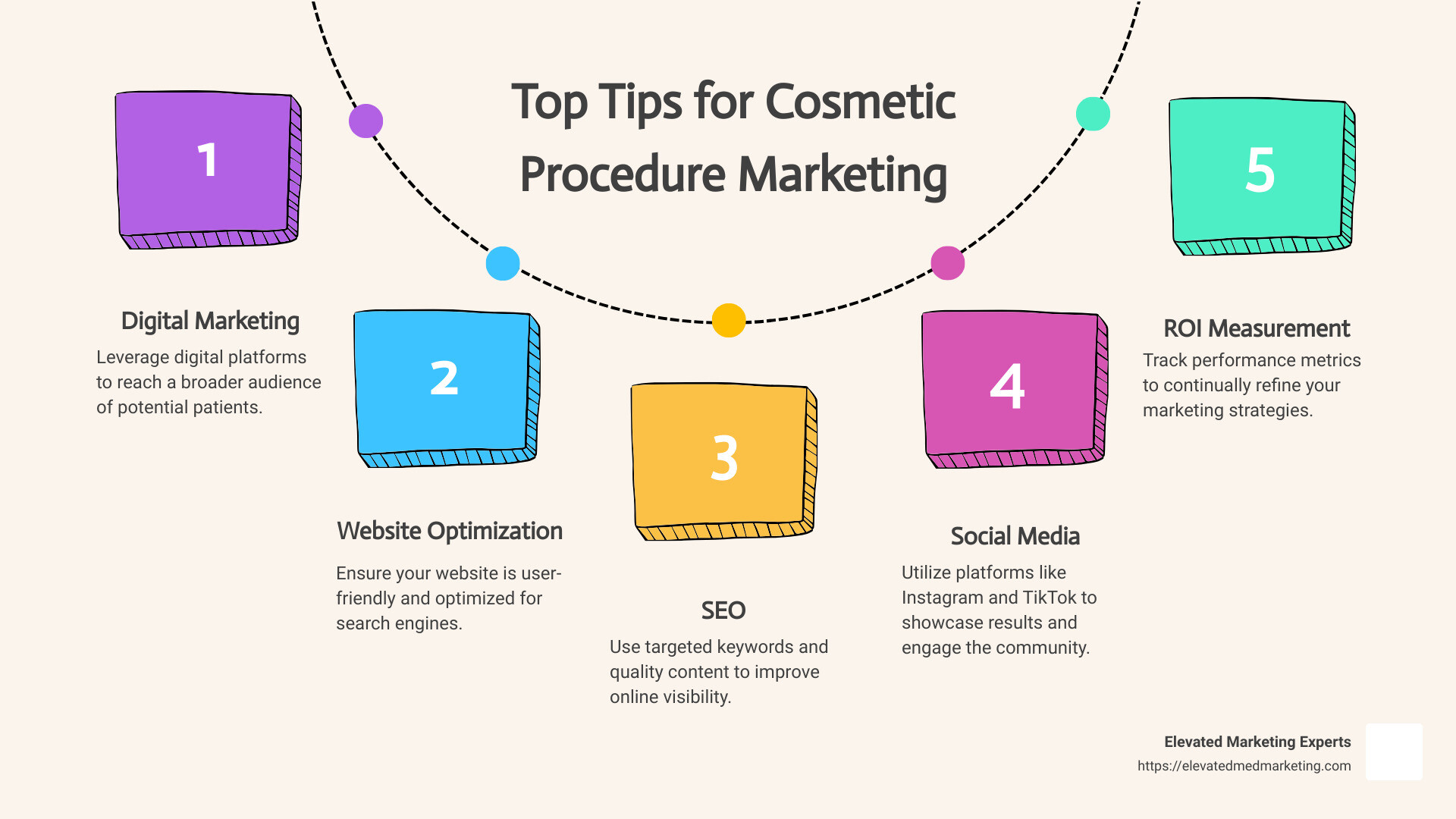
- Harness Digital Marketing: Reach more potential patients online.
- Optimize Your Website: Your site is your digital front door.
- Leverage SEO: Improve visibility and attract targeted traffic.
- Utilize Social Media: Build a community and showcase results.
- Measure ROI: Track performance to refine your strategy.
The demand for cosmetic surgery is skyrocketing, highlighted by an anticipated 9.6% compound annual growth rate from 2022 to 2030. This growth spells increased competition among providers, making digital marketing a must for standing out. Your practice needs to focus on online visibility and top-quality patient experience to thrive in this competitive landscape.
I’m Joe Amaral, and I’ve transitioned from a career in sales and management to founding multiple digital marketing companies. My experience in cosmetic procedure marketing has equipped me with the knowledge to elevate your practice’s online presence effectively.
Top Trends in Cosmetic Procedure Marketing for 2024
In 2024, cosmetic procedure marketing is evolving rapidly. Understanding these trends can help your practice stand out and attract more patients. Let’s dive into the top trends shaping the industry this year.
Natural Aesthetics
The demand for natural beauty is skyrocketing. Patients are moving away from dramatic changes and opting for subtle enhancements that maintain their natural look. Procedures like smaller breast implants and Brazilian butt lifts are gaining popularity for their understated appeal.
Subtle Enhancements
Patients want to enhance their features without looking “done.” This means smaller, more precise adjustments that highlight natural beauty. Marketing should reflect this by showcasing before-and-after photos that emphasize subtle improvements rather than drastic changes.
Minimally Invasive Treatments
Minimally invasive procedures are on the rise. Treatments like fillers, Botox, and laser therapies offer quick results with little downtime. Highlighting the convenience and effectiveness of these procedures can attract busy professionals and those new to cosmetic treatments.
Social Media Influence
Social media continues to be a powerful tool for reaching potential patients. Platforms like Instagram, Facebook, and TikTok allow you to showcase your work visually. According to a study by Nayyar et al., live video on Facebook from a plastic surgeon is particularly effective.
Patient Education
Educating patients about procedures is crucial. Use your website and social media channels to provide detailed information about what to expect before, during, and after treatments. This builds trust and helps potential patients feel more comfortable. Interactive tools like virtual consultations can further engage and inform.
By staying on top of these trends, your practice can better meet patient expectations and stand out in a competitive market.
Designing an Effective Cosmetic Surgery Website
Key Elements
Creating a top-notch cosmetic surgery website is essential to attract and convert potential patients. Here’s how to ensure your site stands out:
Modern Design
First impressions matter. Your website should have a clean, modern look that reflects the quality of your services. Use a stylish design that aligns with your brand image. A visually appealing site can capture attention and encourage visitors to explore further.
User Experience
A well-designed website is easy to navigate. Make sure your site architecture is simple, with intuitive menus and clear calls-to-action (CTAs). Avoid clutter. Keep the layout straightforward so users can find the information they need quickly.
High-Quality Images
Use high-quality images to showcase your work. Before-and-after photos are particularly impactful. They demonstrate your expertise and help potential patients visualize the results they can achieve. Invest in professional photography to ensure these images are clear and compelling.
Educational Resources
Provide detailed information about your procedures. Use simple language and include interactive tools like virtual consultations. This not only educates potential patients but also builds trust. When visitors feel informed, they are more likely to consider your services.
Testimonials
Patient testimonials are powerful. They build credibility and trust. Share reviews and success stories prominently on your site. Regularly update this content to reflect your most recent work and maintain authenticity.
Before-and-After Galleries
Before-and-after galleries are among the most visited pages on cosmetic surgery websites. Use interactive features like sliders to allow users to compare images easily. This can significantly enhance user engagement and help convert visitors into consultations.
Interactive Features
Incorporate videos, live chat, and online booking options. Videos can showcase your procedures dynamically, while live chat and online booking make it easy for potential patients to connect with you. These features can improve user experience and increase conversion rates.
Mobile Optimization
Many users will visit your site from mobile devices. Ensure your website is responsive and looks great on any screen size. Fast-loading, mobile-friendly content is crucial for retaining visitors and improving your search engine rankings.
SEO-Friendly Content
Optimize your content for search engines. Each procedure should have its own dedicated, search-optimized page. Use relevant keywords naturally in your content to improve your visibility on search engines. This helps attract more organic traffic to your site.
By incorporating these key elements, your cosmetic surgery website can become a powerful tool for attracting and converting potential patients.
Next, we’ll delve into leveraging SEO for greater visibility.
Leveraging SEO for Greater Visibility
To make your cosmetic procedure marketing more effective, you need a solid SEO strategy. This includes on-page SEO, technical SEO, and local SEO. Let’s break it down.
On-Page SEO
On-page SEO involves optimizing individual pages to rank higher and earn more relevant traffic. Focus on:
- Keyword optimization: Use relevant keywords in your headings, content, and meta descriptions. For example, terms like “best plastic surgeon in Detroit” can help you attract local traffic.
- High-quality content: Ensure your content is informative and medically accurate. This builds trust and helps with ranking.
- Meta descriptions: These are short snippets that describe your page’s content. Make them compelling and include your keywords.
Technical SEO
Technical SEO improves the backend of your website. Important aspects include:
- Site speed: Fast-loading pages improve user experience and reduce bounce rates. Tools like Google PageSpeed Insights can help you identify and fix issues.
- Mobile optimization: A responsive design ensures your site looks good on all devices. Given the rise in mobile searches, this is crucial.
- Site architecture: A clear, logical structure makes it easier for search engines to index your site. Use internal linking to guide users and search engines through your content.
Local SEO
Local SEO helps you attract patients from your area. Effective strategies include:
- Google Business Profile: Optimize your profile with accurate information and engaging content. This helps you appear in local searches.
- Citations and listings: Ensure your practice is listed on trustworthy platforms. Consistent NAP (Name, Address, Phone number) information is key.
- Geographical keywords: Use location-specific keywords in your content. For example, “certified cosmetic surgeons Boston” can help you capture local interest.
Keyword Strategy
A well-rounded keyword strategy targets users at different stages of their journey. This involves:
- Top-of-the-funnel (TOF) keywords: These are general queries like “Is it safe to get your boobs done?” They help attract users who are just starting their research.
- Middle-of-the-funnel (MOF) keywords: These are more specific, such as “Do I need open or closed rhinoplasty?” They target users who are comparing options.
- Bottom-of-the-funnel (BOF) keywords: These are high-intent queries like “Plastic surgeon near me.” They attract users ready to make a decision.
Content Creation
Creating valuable content for each stage of the funnel is essential. Here’s how:
- Blog content: Use TOF keywords to write informative blog posts. This attracts a broad audience and establishes your authority.
- Service pages: Use MOF and BOF keywords to optimize your service and location pages. Detailed information helps convert visitors into patients.
- Success stories and testimonials: Showcase these on your site. They build trust and provide social proof.
By following these strategies, you can improve your visibility and attract more patients to your practice.
Social Media Marketing Tactics
Platform-Specific Strategies
Social media is a powerful tool for cosmetic procedure marketing. Different platforms offer unique ways to engage with potential patients. Let’s look at some effective strategies for Instagram, Facebook, TikTok, and Pinterest.
Instagram is perfect for cosmetic surgeons. It’s a visual platform, ideal for showing before-and-after photos.
- Content Diversity: Share a mix of high-quality images, short videos, and patient testimonials. Use Instagram Stories for behind-the-scenes content.
- Visual Storytelling: Tell compelling stories with your posts. Show the transformation journey of your patients.
- Influencer Collaborations: Partner with influencers in the beauty and wellness space. Their followers trust their recommendations.
Facebook is great for building a community around your practice.
- Patient Engagement: Share valuable content like beauty tips and health advice. Respond to comments to build relationships.
- Testimonials and Reviews: Encourage satisfied patients to leave reviews. Highlight these on your page to build trust.
- Advertising Tools: Use Facebook Ads to target specific demographics. This can help you reach more potential patients.
TikTok
TikTok is one of the fastest-growing platforms, especially among younger audiences.
- Trend-Setting Content: Create short, engaging videos that showcase your procedures. Use popular trends and hashtags like #plasticsurgery to increase visibility.
- Educational Videos: Debunk myths and explain procedures. This builds trust and educates your audience.
- Viral Potential: With the right content, your videos can go viral, reaching a huge audience.
Pinterest is a great platform for visual inspiration.
- Before-and-After Boards: Create boards that showcase your best work. High-quality images are crucial here.
- Educational Pins: Share infographics and blog posts about cosmetic procedures. This can drive traffic to your website.
- SEO-Friendly Content: Use keywords in your pin descriptions to improve visibility.
By tailoring your content to each platform, you can effectively engage with a diverse audience. This multi-platform approach can significantly enhance your cosmetic procedure marketing efforts.
Next, we’ll discuss how to engage with patients through email marketing.
Engaging with Patients through Email Marketing
Effective Email Campaigns
Email marketing remains a powerful tool in cosmetic procedure marketing. It helps build relationships, nurture leads, and keep patients informed. Here’s how to make your email campaigns effective:
Personalized Emails
Personalization is key. Use the recipient’s name and tailor the content based on their interests or previous interactions.
- Birthday Greetings: Send personalized birthday emails with special offers. This small gesture can build loyalty and increase engagement.
- Holiday Greetings: Celebrate holidays with your patients. Offer discounts or special promotions during festive seasons.
Segmented Lists
Segment your email lists to ensure the right message reaches the right audience. This makes your emails more relevant and timely.
- Demographics: Segment by age, gender, or location to tailor your messages.
- Services Used: Send targeted emails based on the procedures patients have shown interest in.
- Interests: Group patients by their preferences, like skin treatments or surgical procedures.
Content Strategies
Your email content should be valuable and engaging. Here are some strategies:
- Special Offers: Promote limited-time discounts or exclusive deals.
- Educational Content: Share informative articles about cosmetic procedures. This helps patients make informed decisions.
- Before-and-After Photos: Showcase successful procedures. This can build trust and attract new patients.
Mobile Optimization
Most people check their emails on mobile devices. Make sure your emails are mobile-friendly:
- Responsive Design: Ensure your emails look good on all devices.
- Quick Loading: Optimize images and content to load quickly.
- Easy Navigation: Use clear, clickable buttons for calls to action.
Compliance
Stay compliant with email marketing regulations to build trust and avoid penalties:
- Consent: Always get permission before sending emails.
- Unsubscribe Option: Provide a clear way for recipients to opt out.
- Privacy: Protect patient data and adhere to privacy laws.
By focusing on personalized emails, segmented lists, and engaging content, you can create effective email campaigns that resonate with your audience.
Next, we’ll explore Pay-Per-Click (PPC) advertising and how to optimize your campaigns.
Pay-Per-Click (PPC) Advertising
Optimizing PPC Campaigns
Google Ads is the go-to platform for PPC campaigns in the cosmetic surgery field. Its robust targeting options and vast reach make it ideal for capturing high-quality leads. But to make the most out of your PPC efforts, you need to focus on several key areas:
Account Structure
A well-organized account structure is crucial. Break down your campaigns into targeted ad groups based on specific procedures and geographic locations. For example, create separate ad groups for “rhinoplasty in Chicago” and “tummy tuck in Manhattan.” This segmentation allows for more precise targeting and better performance tracking.
A/B Testing
Constantly test different elements of your ads. A/B testing (or split testing) lets you compare two versions of an ad to see which performs better. Test variations in headlines, ad copy, and calls to action (CTAs). For example, compare “Get Your Dream Nose Today” vs. “Affordable Rhinoplasty in Chicago.” Small changes can lead to significant improvements in click-through rates (CTR) and conversions.
Mobile Optimization
With more people using smartphones to search for services, your PPC ads must be mobile-friendly. Ensure your ads look good and function well on mobile devices. Use call-only ads to make it easy for potential patients to contact you directly from their phones.
Landing Pages
Your landing pages need to be as specific and compelling as your ads. If someone clicks on an ad for “NYC Acne Scar Treatment,” they should land on a page dedicated to that service. This relevancy boosts your Quality Score on Google Ads, which can lower your cost per click (CPC).
High-Intent Keywords
Focus on high-intent keywords that indicate a strong likelihood of conversion. Keywords like “book a consultation for liposuction” or “best plastic surgeon near me” show clear intent to take action.
Local Keywords
Local keywords are essential for targeting patients in specific areas. Keywords such as “rhinoplasty cost in Chicago” or “tummy tuck Upper East Side” help you capture local traffic. This is especially effective for cosmetic surgeons, as patients prefer nearby services.
Call-Only Ads
Call-only ads are perfect for capturing leads who are ready to talk. These ads show a clickable phone number, making it easy for potential patients to call you directly. This is particularly useful for high-intent keywords where users are looking to make immediate contact.
Unique Landing Pages
Create unique landing pages for each ad group to ensure relevancy and improve conversion rates. A page dedicated to “NYC Acne Scar Treatment” should feature before-and-after photos, patient testimonials, and detailed information about the procedure.
By focusing on these elements, you can optimize your PPC campaigns to generate high-quality leads and improve your return on investment (ROI).
Building and Managing Your Online Reputation
Online Reputation Management Best Practices
Your reputation can make or break your cosmetic surgery practice. 90% of patients use online reviews to decide on a provider. 43% would even go out-of-network for a surgeon with excellent reviews. Here’s how to build and manage your online reputation effectively:
1. Review Acquisition
Start by actively collecting positive reviews. You can ask for reviews at the checkout desk, use review solicitation software, or send follow-up emails. Many patients are more likely to leave a review when prompted. Make it easy for them by providing direct links to your review pages.
2. Responding to Reviews
Always respond to reviews, both positive and negative. For positive reviews, a simple “Thank you” shows appreciation. Negative reviews require a more thoughtful response. Acknowledge the issue, apologize if necessary, and offer to resolve it offline. This shows professionalism and a commitment to patient satisfaction.
3. Showcasing Testimonials
Highlight positive reviews and testimonials on your website, especially on the About Us or Testimonials page. You can also feature them on your Google Business Profile (GMB) and other directory listings. This builds trust and credibility.
4. Professional Recognitions
Showcase any awards, press mentions, or professional recognitions your practice or surgeons have received. Create a dedicated page on your website for these accolades. This third-party validation adds another layer of trust for potential patients.
5. Review Solicitation Software
Use software to streamline the review acquisition process. Tools like Birdeye or Podium can automate review requests and make it easier for patients to leave feedback. This can significantly increase the number of reviews you receive.
6. Google Business Profile
Ensure your Google Business Profile is complete and optimized. Include accurate information like your name, address, and phone number (NAP). Encourage patients to leave reviews on your GMB to improve local SEO and attract more patients.
7. Directory Listings
Claim and optimize your listings on major review sites like Yelp, Healthgrades, and RealSelf. Consistent NAP information across these platforms is crucial for local SEO. Direct patients to these sites to leave reviews.
8. Complaint Resolution
Address complaints proactively. Respond publicly to general complaints and take more personal issues offline. Apologize and explain how you’re addressing the problem. This can turn a negative review into a demonstration of your commitment to patient care.
Implementing these best practices can significantly enhance your cosmetic procedure marketing efforts by building a strong and trustworthy online reputation. Next, we’ll dive into frequently asked questions about cosmetic procedure marketing to address common concerns and provide additional insights.
Frequently Asked Questions about Cosmetic Procedure Marketing
What are the best ways to advertise cosmetic surgery services?
Effective advertising for cosmetic surgery services is multi-faceted. Here are some top strategies:
Before-and-After Galleries: Showcasing visual results is crucial. High-quality before-and-after photos provide tangible proof of your expertise and can be very persuasive for potential patients.
Social Media: Platforms like Instagram, Facebook, and TikTok are powerful tools. Share patient testimonials, procedure explanations, and before-and-after results to engage your audience. Video content, especially on platforms like YouTube, can be particularly impactful.
SEO and PPC: Optimize your website for search engines and invest in pay-per-click advertising. Target high-intent keywords to attract patients actively searching for cosmetic procedures.
Email Marketing: Use personalized and segmented email campaigns to nurture leads and maintain relationships with existing patients. Send educational content, special offers, and personalized greetings.
Online Reviews and Testimonials: Positive reviews build trust. Encourage satisfied patients to leave reviews on platforms like Google and Yelp.
Who is the target market for cosmetic surgery?
The primary demographic for cosmetic surgery includes individuals aged 40 to 54, with a significant portion being Caucasian females. However, the market is diverse:
Age Range: People of all ages seek cosmetic procedures, from younger individuals interested in preventative treatments to older adults looking for more dramatic enhancements.
Gender: While women are the majority, an increasing number of men are also opting for cosmetic procedures.
Ethnicity: Cosmetic surgery appeals to all ethnicities, with tailored procedures catering to different aesthetic preferences.
What is the market outlook for cosmetic surgery and procedures?
The global cosmetic surgery market is booming and is expected to grow at a compound annual growth rate (CAGR) of 9.6% from 2022 to 2030. Key trends include:
Natural Aesthetics: There is a growing preference for subtle enhancements that maintain natural features.
Minimally Invasive Procedures: Treatments like laser hair removal and injectables are gaining popularity due to shorter recovery times and lower risks.
Technological Advancements: Innovations in surgical techniques and equipment are driving market growth.
Patient Education: As more people become educated about the benefits and risks of cosmetic procedures, demand is increasing.
The market is competitive, with a need for effective and scalable marketing strategies to enhance online visibility and patient experience.
Next, we’ll explore how to design an effective cosmetic surgery website, ensuring it serves as a compelling digital front door for your practice.
Conclusion
As we conclude our journey through cosmetic procedure marketing, it’s clear that the landscape is changing. Staying ahead requires continuous improvement and adapting to the latest trends.
At Elevated Marketing Experts, we specialize in helping cosmetic surgery practices harness the power of digital tools to enhance patient engagement and grow their practice.
Continuous Improvement
In the rapidly changing world of cosmetic surgery, standing still is not an option. From keeping up with the latest trends in natural aesthetics to adopting minimally invasive treatments, continuous improvement is key. Regularly updating your marketing strategies ensures that you remain relevant and competitive.
Adapting to Trends
The trend towards natural-looking results and subtle enhancements is here to stay. Aligning your marketing efforts with these preferences can set you apart from competitors. Highlighting services that offer these outcomes can resonate more with potential patients.
Leveraging Digital Tools
Digital tools are essential for effective marketing. From SEO to social media, leveraging these tools can significantly boost your online presence. A well-optimized website, engaging social media content, and strategic PPC campaigns can drive traffic and convert visitors into patients.
Patient Engagement
Engaging with patients through personalized emails, segmented lists, and educational content fosters trust and loyalty. Whether it’s a birthday greeting or a holiday offer, personalized communication can make a significant difference in patient retention.
In summary, the future of cosmetic procedure marketing lies in continuous improvement, adapting to trends, leveraging digital tools, and engaging with patients. For tailored strategies that elevate your practice, contact Elevated Marketing Experts. Let’s work together to achieve your marketing goals and ensure your practice thrives in 2024 and beyond.


