

Cosmetic Digital Marketing: Top 5 Essential Tactics 2025
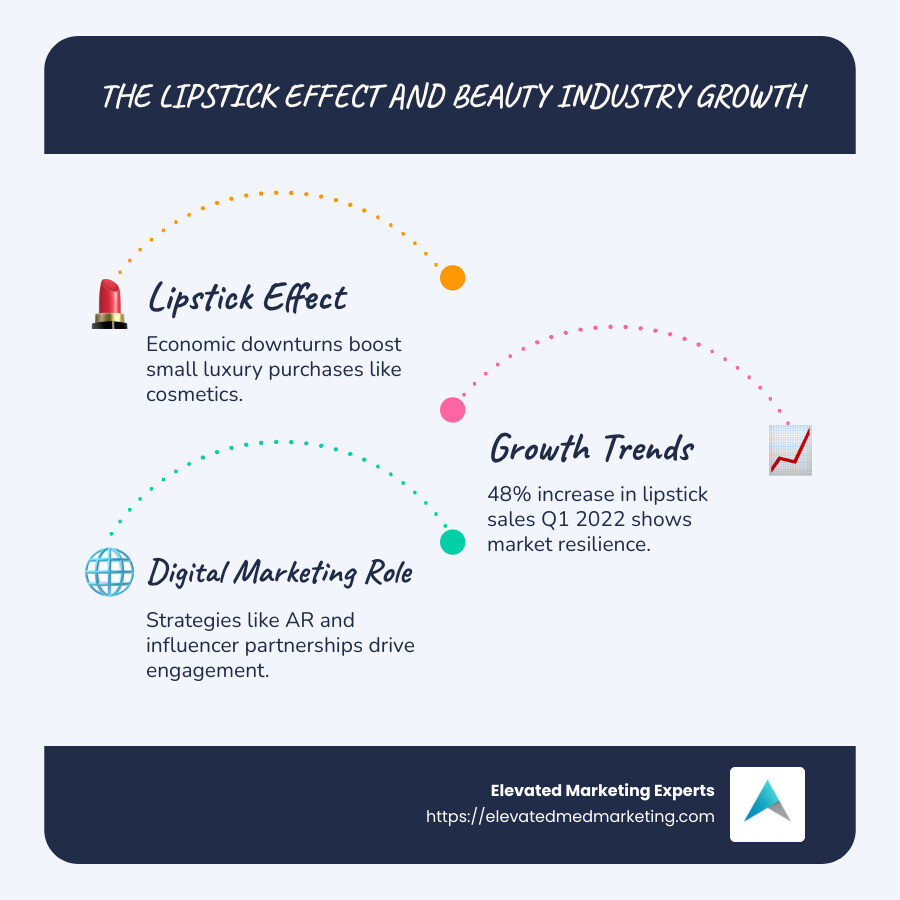
Cosmetic digital marketing is dramatically reshaping the beauty industry, offering new ways to connect with consumers and drive brand growth. The beauty sector is known for its resilience, even flourishing during economic downturns. This phenomenon is partially explained by the “Lipstick Effect,” where consumers tend to invest in small, affordable luxuries like cosmetics as a means of self-indulgence during challenging times. With a notable 48% growth in lipstick sales in the first quarter of 2022, it’s clear that this trend continues to fuel the expansion of the beauty market.
Key aspects of cosmetic digital marketing include:
- Building strong customer communities
- Leveraging influencer partnerships
- Maximizing the potential of new technologies like augmented reality and AI
These strategies not only improve brand visibility but also foster profound consumer engagement.
As someone who’s journeyed from the Navy to co-founding three startups, I have finded a passion for digital marketing. I’m Joe Amaral, and my experience has taught me the vital role of cosmetic digital marketing in today’s dynamic landscape. Now, let’s dig deeper into how you can optimize your brand’s online presence.
Building a Strong Online Presence
Creating Engaging Content
In beauty, content is king. Creating engaging content is not just about showcasing products; it’s about telling stories that resonate with your audience. Cosmetic digital marketing thrives on visually appealing and relatable content that captures the essence of your brand.
Video Content and Tutorials
Video content is a powerful tool for beauty brands. It’s no surprise that 87% of marketers use video in their strategies. Tutorials, in particular, are a fantastic way to demonstrate product benefits and application techniques. Brands like Dior have successfully used tutorial videos to educate consumers on achieving curated looks with their products. This educational approach not only informs but also builds trust with your audience.
User-Generated Content
User-generated content (UGC) is a treasure trove for beauty brands. It serves as authentic social proof, showing real people using and loving your products. Encouraging customers to share their experiences through photos, reviews, or videos can create a sense of community and trust around your brand. A French skincare company might, for instance, run a hashtag campaign inviting users to showcase their skincare routines using their products, enhancing local connections and boosting credibility.
Leveraging Social Media
Social media is the beating heart of cosmetic digital marketing. It’s where beauty brands can truly shine, connecting with audiences on a personal level.
Social Media Marketing
Platforms like Instagram and TikTok are ideal for beauty brands to showcase their products through visually stunning content. Collaborating with influencers who align with your brand’s values and aesthetics can amplify your reach. For example, a Spanish beauty brand might partner with local influencers who embody the unique Spanish aesthetics, ensuring the content resonates with regional tastes.
Influencer Partnerships and Micro-Influencers
Influencers have revolutionized consumer engagement with beauty products. With 90% of marketers finding influencer marketing effective, it’s clear that these partnerships are invaluable. Micro-influencers, those with smaller but highly engaged followings, can be particularly effective. They often have a more personal connection with their audience, resulting in higher trust and engagement. This can lead to an impressive ROI, sometimes up to 11 times higher than traditional digital marketing methods.
Community Building
Building a community around your brand fosters loyalty and engagement. Sephora’s “Beauty Insiders” program is a prime example of how to turn customers into a community. By offering exclusive content, promotions, and a platform for customers to share their beauty tips and inspiration, you’re not only retaining customers but also strengthening their connection to your brand.
Testimonials
Testimonials are a powerful influence on purchasing decisions. Featuring customer reviews and testimonials on your product pages can significantly shorten the decision-making process for potential buyers. Video testimonials, where customers share their experiences, can be particularly compelling in the beauty industry.
By focusing on these strategies, beauty brands can create a robust online presence that not only attracts new customers but also fosters lasting relationships with existing ones.
Cosmetic Digital Marketing Strategies
Search Engine Optimization (SEO)
In the field of cosmetic digital marketing, Search Engine Optimization (SEO) is crucial for enhancing online visibility and attracting potential customers. SEO strategies ensure your beauty brand appears prominently in search results, making it easier for consumers to find your products.
Local SEO is particularly important for beauty brands with physical locations. By optimizing your Google Business Profile and using location-specific keywords, you can attract local customers searching for beauty services or products in your area. For instance, a salon in Paris might focus on keywords like “best Paris salon” to capture local search traffic.
Keyword Strategies involve identifying the terms and phrases your target audience uses when searching for beauty products. Tools like Google Keyword Planner can help you find high-volume, low-competition keywords to incorporate into your website content, product descriptions, and blog posts.
Mobile Optimization is essential as more consumers shop on their smartphones. Ensuring your website is mobile-friendly with fast load times and easy navigation can significantly improve user experience and boost your search rankings. A smooth mobile experience can lead to higher conversion rates, as potential customers are just a click away from purchasing.
Email Marketing Tactics
Email marketing remains a powerful tool in cosmetic digital marketing. It allows beauty brands to communicate directly with their audience, offering personalized content and promotions that resonate with individual preferences.
Segmentation is key to effective email marketing. By dividing your email list into smaller segments based on factors like purchase history, location, or engagement level, you can tailor your messages to meet the specific needs and interests of each group. This targeted approach can lead to a 760% increase in revenue, as noted by marketers who use segmented campaigns.
Personalization goes hand in hand with segmentation. Crafting emails that address recipients by name and offer personalized recommendations based on their past purchases can improve engagement and foster loyalty. For example, a beauty brand might send personalized skincare tips to customers who have previously purchased skincare products.
Targeted Messaging involves sending the right message to the right audience at the right time. By analyzing consumer behavior and preferences, you can create email campaigns that align with current trends and seasonal needs. For example, sending out winter skincare tips to customers in colder regions like Norway, while promoting sun protection products to those in sunnier places like Greece, ensures relevance and boosts engagement.
By implementing these SEO and email marketing strategies, beauty brands can effectively reach and engage their target audience, driving growth and success in the competitive beauty industry.
Innovative Technologies in Beauty Marketing
Augmented and Virtual Reality
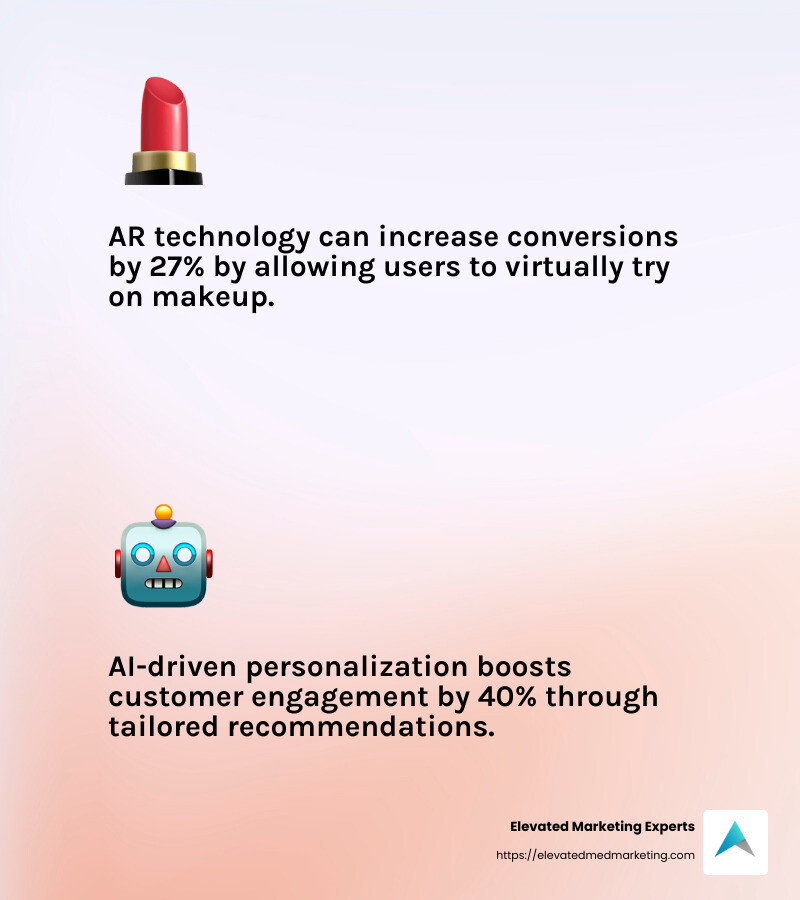
Augmented Reality (AR) and Virtual Reality (VR) are revolutionizing cosmetic digital marketing by enhancing how consumers engage with beauty products. AR allows users to virtually try on makeup, making the shopping experience interactive and fun. Brands like Smashbox have acceptd this technology, using eye-tracking to improve product interaction. This led to a 27% increase in conversions, highlighting the potential of AR in boosting sales.
VR, on the other hand, is being used internally by companies like L’Oreal. Their “Beauty Lab” uses VR to refine in-store strategies and improve packaging decisions. This innovative approach helps reduce inefficiencies, allowing faster market entry and cost savings.
AI and Personalization
Artificial Intelligence (AI) is a game-changer in creating personalized shopping experiences. AI technologies like chatbots and recommendation engines analyze consumer behavior to provide custom product suggestions. Beiersdorf, a German cosmetics giant, implemented AI-driven personalization, reporting a 40% increase in customer engagement.
Chatbots improve consumer interaction by offering instant support and personalized advice. They guide customers through product selections, improving satisfaction and retention. Recommendation engines use AI to suggest products based on individual preferences, making shopping more efficient and enjoyable.
By leveraging AI technologies, beauty brands can deliver highly personalized experiences, fostering stronger customer relationships and driving sales. These technologies are integral to modern cosmetic digital marketing, ensuring brands stay competitive in a rapidly evolving industry.
Frequently Asked Questions about Cosmetic Digital Marketing
What is cosmetic digital marketing?
Cosmetic digital marketing is all about promoting beauty products and services online. It involves using digital tools to reach and engage with consumers. Think of it as a way to bring the beauty industry into the digital age. This includes everything from social media campaigns to influencer partnerships.
Content marketing is key. Brands need to create engaging content that speaks to their audience. This can be done through blog posts, videos, or even interactive tutorials. The goal is to build a strong online presence and connect with potential customers.
How to get into beauty marketing?
Getting into beauty marketing is all about creativity and understanding the latest trends. Here are a few steps:
Influencer Collaborations: Partner with beauty influencers who align with your brand. They can help spread the word about your products to their followers. This is a powerful way to reach a wider audience.
Social Media Ads: Use platforms like Instagram and Facebook to run targeted ads. This helps you reach specific groups of people who are most likely to be interested in your products.
Affiliate Partnerships: Work with affiliates who promote your products in exchange for a commission. This can be a cost-effective way to increase sales.
Stay Updated: Keep an eye on social media trends and consumer preferences. This will help you create relevant and engaging content.
What do cosmetic marketers do?
Cosmetic marketers have a dynamic role that involves several key responsibilities:
Brand Promotion: They create strategies to promote beauty products and services. This often involves crafting compelling brand stories that resonate with consumers.
Consumer Engagement: Engaging with customers is crucial. Marketers use social media platforms to interact directly with consumers, building relationships and trust.
Social Media Trends: Keeping up with trends is essential. Marketers need to understand what’s popular and adapt their strategies accordingly. This could involve leveraging new features on social media platforms or exploring emerging channels.
Innovative Campaigns: They design and execute campaigns that captivate audiences. Whether through creative ads or interactive experiences, the aim is to capture attention and drive sales.
By mastering these areas, cosmetic marketers can effectively steer the digital landscape and help beauty brands thrive.
Conclusion
In the world of beauty, understanding cosmetic digital marketing is essential for any brand aiming to thrive. At Elevated Marketing Experts, we specialize in elevating your brand’s online presence, particularly for plastic surgeons and medical spas. Our industry expertise ensures that we provide custom strategies that improve visibility and engagement.
Digital Marketing Benefits
Digital marketing offers a plethora of benefits for beauty brands. It allows for precise targeting, ensuring your message reaches the right audience at the right time. With tools like SEO, brands can improve their search engine rankings, making it easier for consumers to find them. Email marketing offers a direct line to customers, allowing for personalized communication that builds loyalty.
Moreover, digital marketing provides measurable results. You can track engagement, conversions, and ROI, ensuring that your strategies are effective and efficient. This data-driven approach allows for continuous improvement and adaptation to market trends.
Industry Expertise
Our team at Elevated Marketing Experts brings a wealth of knowledge to the table. We understand the nuances of the beauty industry and how to leverage digital channels to your advantage. Our strategies are not just about visibility; they’re about creating meaningful connections with your audience.
For example, by utilizing influencer partnerships, we help brands tap into new audiences and build trust. Influencers have become key players in the beauty industry, with their recommendations often guiding consumer choices. We ensure that these partnerships align with your brand’s values and goals.
Additionally, our focus on content creation helps position your brand as an authority in the beauty space. Whether it’s through engaging blog posts, informative videos, or interactive tutorials, we create content that resonates with your audience.
Partner with Us
Ready to take your beauty brand to the next level? Partner with us at Elevated Marketing Experts, and let’s craft a digital marketing strategy that highlights your unique strengths. Together, we can harness the power of digital marketing to grow your brand and connect with consumers in meaningful ways.
In conclusion, cosmetic digital marketing is not just about keeping up; it’s about standing out. With the right strategies and expertise, your brand can shine brightly in the digital landscape.


