
Content Strategy Service: 6 Powerful Benefits Unlocked
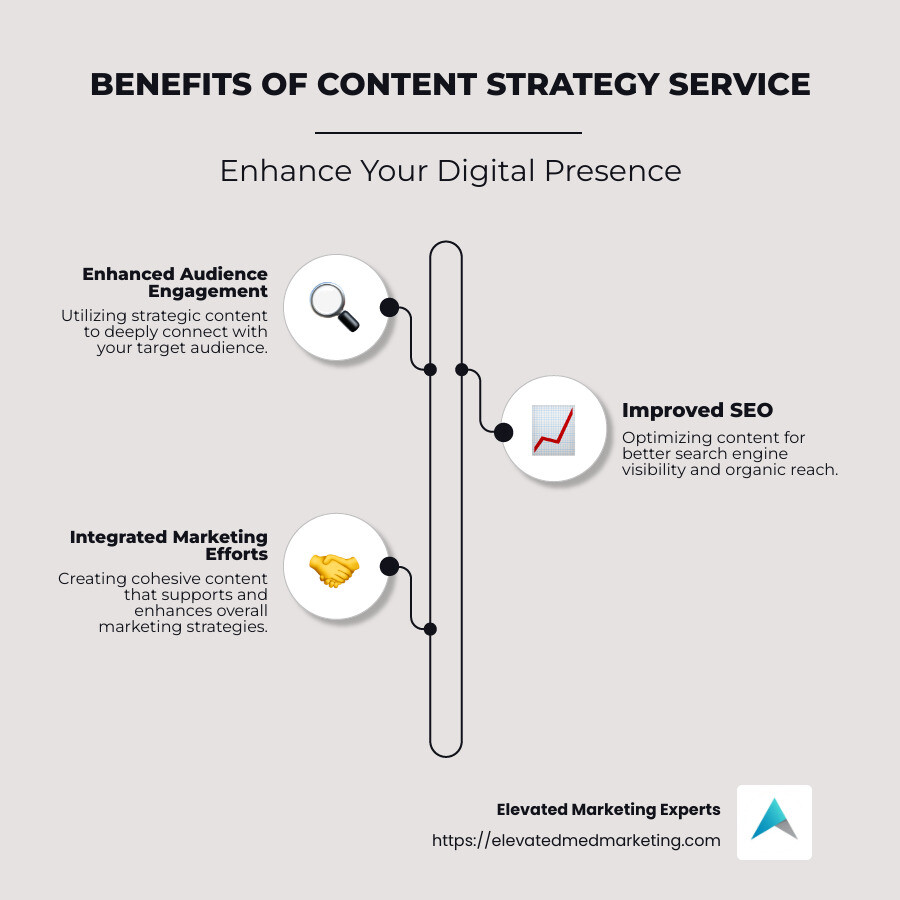
Unlocking the potential of a content strategy service is pivotal for businesses aiming to lift their digital presence and engage effectively with their target audience. Content strategy service encompasses a comprehensive approach to creating, distributing, and managing content to achieve specific business goals. For those exploring ways to improve their online standing, here are key benefits these services offer:
- In-depth Content Audits: Uncover gaps and opportunities in your current content landscape.
- Strategic Planning: Tailor content to align with audience needs and market demands.
- SEO Optimization: Boost search engine visibility for better organic reach.
As someone deeply passionate about digital marketing, I am Joe Amaral, with a rich background in changing businesses through innovative content strategy service. Having steerd various roles and industries, I’ve honed my skills to deliver results-driven strategies to help businesses thrive online.
Content strategy service terms at a glance:
– SEO content marketing services
– SEO content marketing strategies
1. Comprehensive Content Audits
A content audit is like a health check-up for your website. It helps you understand what’s working and what needs fixing. By evaluating your existing content, from blog posts to landing pages, you can uncover hidden strengths and weaknesses.
Why is a Content Audit Important?
Identify Gaps: A content audit reveals areas where your content might be lacking. This is crucial for spotting opportunities to create new, valuable content that your audience craves.
Evaluate Performance: By looking at metrics such as page views, bounce rate, and time on page, you can determine how well your content is performing. This data helps pinpoint content that resonates with your audience and content that doesn’t.
Strengthen Weak Spots: Not all content is created equal. Some pieces may need a little polish to shine. A content audit highlights these areas, allowing you to improve them for better engagement and conversions.
How Does Gap Analysis Fit In?
A gap analysis is a deeper dive into your content strategy. It compares your current content against your business goals and customer needs. This analysis helps you understand where you are falling short and what you need to do to fill those gaps.
Competitive Insights: Understanding what your competitors are doing can provide valuable insights. However, it’s important to use this information as a guide, not a blueprint. Your strategy should be unique to your brand.
Content Opportunities: Gap analysis can highlight topics your competitors are covering that you aren’t. This opens up new avenues for content creation and audience engagement.
Finding Improvement Areas
After a comprehensive audit, you’ll have a clear picture of what needs to change. This might involve updating outdated content, fixing broken links, or enhancing SEO elements.
Content Depth and Quality: Ensure your content is detailed and valuable. Shallow content can be a turn-off for readers and search engines alike.
On-Page SEO Elements: Optimize titles, meta descriptions, and headers to improve search engine rankings.
User Experience: Improve layout and design to make your content more accessible and engaging.
By conducting a thorough content audit, you gain the insights needed to refine your content strategy and make informed decisions. This sets the stage for a more strategic approach to content planning, which we will explore in the next section.
2. Strategic Content Planning
Strategic content planning is the backbone of a successful content strategy service. It involves a blend of audience analysis, competition analysis, keyword targeting, and creating a strategic roadmap to guide your content efforts.
Audience Analysis
Understanding your audience is the first step in content planning. Who are they? What are their pain points, interests, and needs? Conducting an audience analysis helps you tailor your content to resonate with them. Use tools like surveys, interviews, and analytics to gather insights about your target demographic.
- Demographics: Age, gender, location, and more.
- Psychographics: Interests, values, and lifestyle.
- Behavioral Data: How they interact with your content and website.
Competition Analysis
Knowing what your competitors are doing can provide a competitive edge. Analyze their content strategies to identify strengths and weaknesses. This doesn’t mean copying them, but rather finding opportunities to differentiate your content.
- Content Gaps: What topics are they not covering that you could?
- Engagement Levels: How well is their content performing in terms of likes, shares, and comments?
- SEO Tactics: What keywords are they targeting, and how can you do it better?
Keyword Targeting
Keyword targeting is crucial for improving search engine visibility. Use keyword research tools to find relevant terms that your audience is searching for. Aim for a mix of high-volume and long-tail keywords to capture different segments of your market.
- Primary Keywords: High-volume terms directly related to your content.
- Secondary Keywords: Variations and related terms that support your primary keywords.
- Long-Tail Keywords: Specific phrases that are less competitive but highly targeted.
Strategic Roadmap
A strategic roadmap outlines the path your content will take. It includes key milestones, deadlines, and metrics for success. This roadmap ensures your content efforts are aligned with your business goals and provides a clear direction for your team.
- Content Calendar: Schedule for content creation and publication.
- Goals and KPIs: Specific targets for engagement, traffic, and conversions.
- Resource Allocation: Assigning tasks and responsibilities to team members.
By integrating these elements into your content planning, you create a strong foundation for your content strategy. This ensures your content is not only relevant and engaging but also strategically aligned with your business objectives.
3. Editorial Calendar Development
An editorial calendar is the heartbeat of your content strategy service. It keeps your content production organized and ensures you hit your publication deadlines. This consistency is key to maintaining a strong online presence.
Content Production Schedule
A well-structured content production schedule helps you manage the who, what, and when of content creation. It outlines:
- Who is responsible for each piece of content.
- What type of content needs to be created.
- When it should be completed and published.
This schedule prevents last-minute scrambles and ensures a steady flow of content.
Publication Deadlines
Setting clear publication deadlines is crucial for maintaining momentum. Deadlines help keep your team accountable and your content calendar on track. Consistency builds trust with your audience and improves your search engine rankings.
Consistent Output
Consistent output is more than just meeting deadlines; it’s about delivering high-quality content regularly. This consistency:
- Builds Audience Trust: Your audience knows when to expect new content.
- Improves SEO: Search engines favor sites that update content frequently.
- Supports Brand Authority: Regular content strengthens your position as an industry leader.
By developing a robust editorial calendar, you ensure your content strategy service remains effective, delivering value both to your audience and your business.
4. SEO-Focused Content Strategy
An SEO-focused content strategy is essential for enhancing your search engine visibility and attracting more qualified leads. Here’s how it works:
Boosting Search Engine Visibility
Visibility is crucial. When your content appears at the top of search engine results, more people see it. This is where a strong SEO strategy comes in. By optimizing your content with relevant keywords, you increase your chances of ranking higher in organic search results.
Keyword integration is key. It involves weaving targeted keywords naturally into your content. This helps search engines understand what your content is about, making it easier for potential customers to find you.
Driving Organic Search Results
Organic search results are those unpaid listings on search engines. They are highly valued because they are seen as more credible by users. A well-crafted SEO strategy can help your content climb the ranks of these results.
Consider this: A case study from Elevated Marketing Experts showed a 293% increase in organic traffic after implementing a strategic content plan.
Attracting Qualified Leads
It’s not just about traffic; it’s about attracting the right traffic. An effective SEO strategy targets keywords that your ideal customers are searching for. This means the people finding your content are more likely to be interested in what you offer.
Qualified leads are those who are more likely to convert into customers. By focusing on the right keywords, your content strategy service can drive these leads to your site, increasing your chances of turning visitors into loyal customers.
Incorporating these elements into your content strategy ensures that your business not only reaches a wider audience but also connects with those who are most likely to engage with your brand.
5. High-Quality Content Creation
Creating high-quality content is the backbone of any successful content strategy service. It requires skilled writers who can craft engaging content that resonates with your audience while maintaining your brand voice.
The Role of Skilled Writers
Skilled writers are essential for producing content that captures attention and keeps readers engaged. They understand how to blend creativity with information, turning complex topics into easy-to-digest pieces. For instance, the team at Elevated Marketing Experts excels in producing concise, straightforward content that delivers value quickly.
Engaging Content That Resonates
Engaging content is more than just well-written text. It’s about connecting with the audience on a deeper level. This involves understanding their needs, interests, and pain points. For example, when Elevated Marketing Experts helped a client, they saw a significant increase in organic traffic by creating content that resonated with their audience’s needs.
Maintaining a Consistent Brand Voice
A consistent brand voice is crucial for building trust and recognition. It ensures that all content reflects your brand’s personality and values. A well-defined style guide can help maintain this consistency across different platforms and content types.
Audience Resonance
Resonance is about creating content that not only speaks to your audience but also motivates them to take action. Whether it’s adopting a new habit or purchasing a product, content that resonates can drive real results. Elevated Marketing Experts’ focus on audience needs has helped brands build trust and foster loyalty.
In summary, high-quality content creation involves a strategic approach that combines skilled writing, audience understanding, and brand consistency. This ensures that your content not only attracts attention but also drives meaningful engagement.
6. Data-Driven Analytics and Reporting
In today’s digital landscape, data-driven analytics and reporting are the linchpins of any effective content strategy service. They provide the insights needed to refine your approach, optimize performance, and measure the return on investment (ROI) of your content efforts.
The Power of Analytics
Analytics tools, like Google Analytics, offer detailed insights into how users interact with your content. They track key metrics such as page views, bounce rates, and conversion rates. By analyzing these data points, you can identify what’s working and what needs improvement.
For instance, if you notice a high bounce rate on a specific page, it might indicate that the content doesn’t match the user’s intent or isn’t engaging enough. Conversely, a high conversion rate on another page can show that the content is resonating well with your audience.
Turning Data into Insights
The real magic happens when you turn raw data into actionable insights. This involves looking beyond the numbers to understand what they mean for your content strategy. For example, marketing experts use data-driven insights to continuously adapt their strategies, ensuring their clients’ content marketing efforts are successful.
Measuring Content Performance
To truly understand the impact of your content, you need to measure its performance against predefined goals. This could include metrics like organic traffic growth, engagement rates, or lead generation. For instance, a company experienced a significant increase in organic traffic due to strategic content promotion and optimization.
Reporting for Accountability
Regular reporting keeps everyone accountable and informed about the progress of the content strategy. It provides a clear picture of what has been achieved and what still needs to be done. Reports should highlight successes, challenges, and opportunities for improvement.
ROI Measurement
One of the most critical aspects of data-driven analytics is measuring the ROI of your content strategy. By evaluating the cost of content creation and promotion against the revenue generated, you can determine the effectiveness of your efforts. This helps in making informed decisions about where to allocate resources for maximum impact.
In summary, data-driven analytics and reporting are essential for understanding and improving content performance. They provide the insights needed to refine strategies, optimize content, and ensure that your content marketing efforts deliver tangible results.
Frequently Asked Questions about Content Strategy Services
What are content strategy services?
Content strategy services are about creating a clear roadmap for your content marketing efforts. They help you plan what topics to cover, how often to publish, and how to engage your audience effectively. It’s not just about making content; it’s about making content that matters.
A solid content strategy involves setting goals, understanding your audience, and crafting a plan that ties everything together. The goal is to create content-driven experiences that connect with your audience and support your business objectives.
What are the 3 C’s of content strategy?
The three C’s of content strategy are content, context, and community.
- Content is what you create—articles, videos, social media posts, etc. It’s the core of your strategy.
- Context is how your content fits into the larger picture. It involves understanding when and where your audience will consume your content, ensuring it aligns with their needs and interests.
- Community is about building a loyal audience who engages with your content. It’s about fostering relationships and creating a space where your audience feels connected to your brand.
Together, these elements help you create a cohesive strategy that resonates with your audience and drives engagement.
What does a content strategist do?
A content strategist plays a vital role in developing and managing content that aligns with marketing goals. They focus on content development, ensuring that each piece supports the overall strategy.
Key responsibilities include:
- Content management: Overseeing the creation, publication, and maintenance of content across various platforms.
- Lead generation: Crafting content that attracts and converts potential customers into leads.
- Marketing goals: Aligning content efforts with broader business objectives to drive growth and success.
By focusing on these areas, a content strategist ensures that your content not only reaches your audience but also achieves the desired impact.
Conclusion
At Elevated Marketing Experts, we specialize in helping aesthetic and wellness practices elevate their online presence through custom digital marketing solutions. Our industry expertise sets us apart, allowing us to craft strategies that resonate with your target audience and drive real results.
Why choose us? Our team understands the unique challenges faced by plastic surgeons and medical spas. We leverage our knowledge to create effective content strategies that boost your visibility and engagement. From organic SEO to website design and branding, we offer a comprehensive suite of services designed to meet your specific needs.
Our content strategy services are not just about creating content; they’re about crafting meaningful experiences that connect with your audience. We focus on data-driven analytics to ensure your content performs well and delivers a solid return on investment.
Partner with us, and you’ll have a dedicated team committed to your success. We work closely with you to understand your goals and create a strategy that aligns with your vision. Whether it’s enhancing your SEO or developing high-quality content, we have the expertise to help your business thrive.
Ready to open up your business’s potential? Contact us today to learn how our content strategy services can support your growth.


