

Why Digital Marketing is Critical for Plastic Surgeons
Content marketing for plastic surgeons can be the game-changer your practice needs to stand out in an increasingly digital world. Attracting and engaging new patients requires more than just surgical expertise—you need a robust online presence that showcases your skills, answers potential queries, and builds trust.
Here are key elements to get you started:
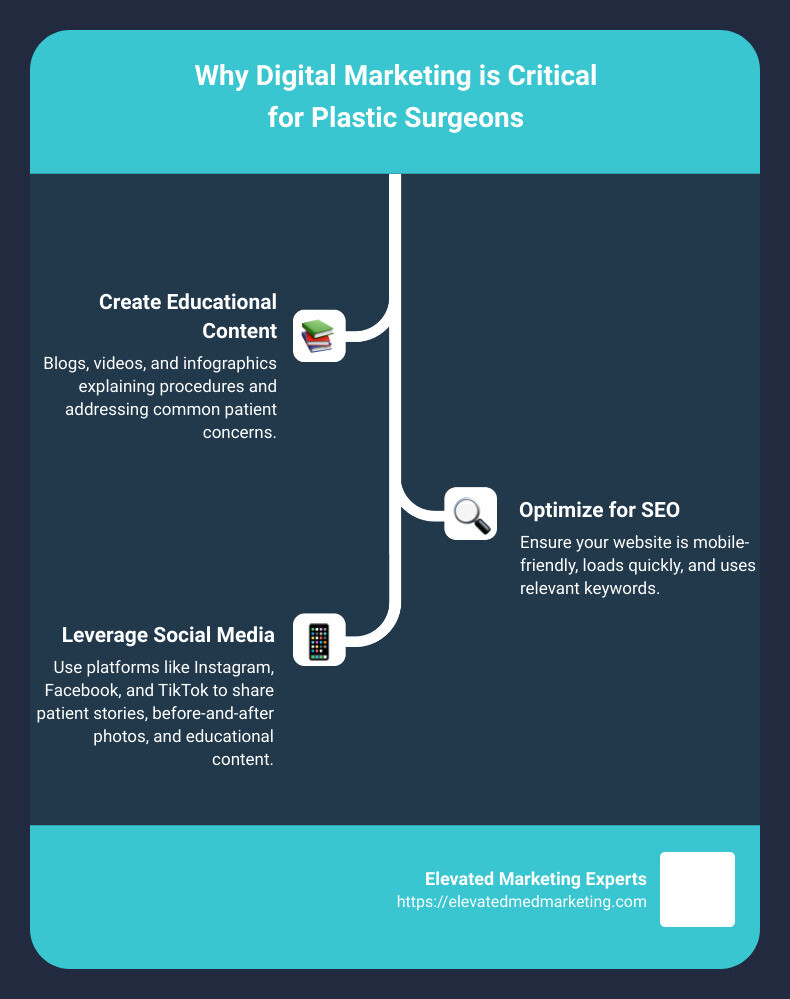
- Create Educational Content: Blogs, videos, and infographics explaining procedures and addressing common patient concerns.
- Optimize for SEO: Ensure your website is mobile-friendly, loads quickly, and uses relevant keywords.
- Leverage Social Media: Use platforms like Instagram, Facebook, and TikTok to share patient stories, before-and-after photos, and educational content.
- Engage Regularly: Respond to patient inquiries and interact genuinely on social media to build lasting relationships.
- Build Reputation: Collect and showcase positive patient reviews and testimonials to build credibility and trust.
Digital marketing isn’t merely about having a website or a few social media posts. It’s about creating a strategy that effectively combines engaging content, professional SEO practices, active social media interaction, and reputation management to attract and retain patients.
I’m Joe Amaral. With years of experience in digital marketing and a passion for creativity and problem-solving, I’ve helped countless plastic surgeons improve their online presence. Whether you’re struggling with SEO or social media strategies, I can guide you to success in content marketing for plastic surgeons.
Understanding the Importance of Content Marketing
Content marketing for plastic surgeons is more than just posting on social media or writing a blog. It’s a strategic approach to attract, engage, and retain patients by delivering valuable and relevant content. Let’s break down why this is crucial for your practice.
Educate Potential Patients
Patients today are well-informed and actively seek out information before making decisions about medical procedures. Content marketing allows you to educate potential patients about various procedures, recovery times, and what they can expect.
For example, detailed blog posts on topics like “What to Expect During a Rhinoplasty” or “Recovery Tips After Breast Augmentation” can answer common questions and alleviate fears. This educational content positions you as a knowledgeable and trustworthy source.
Build Trust
Trust is paramount in healthcare. According to The Pharmaceutical Journal, “The concept of trust is important in healthcare because health and healthcare in general involve an element of uncertainty and risk for the vulnerable patient who is reliant on the competence and intentions of the healthcare professional.”
By consistently sharing high-quality, informative content, you build a relationship with your audience. Patient testimonials and success stories, especially in video format, can further boost trust. Seeing real-life examples of successful procedures reassures potential patients of your expertise.
Increase Search Engine Rankings
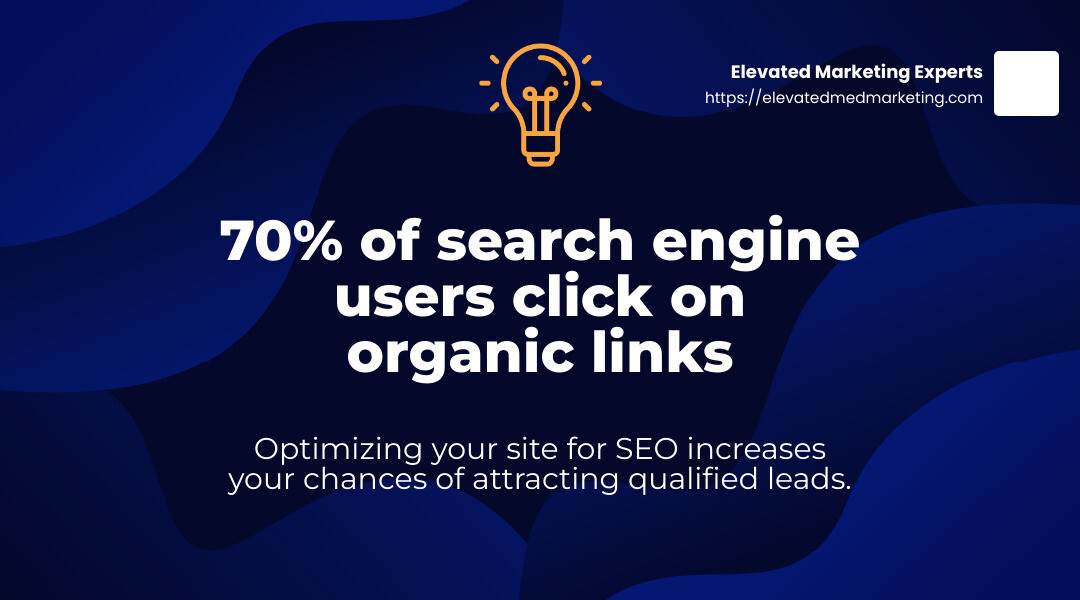
Search Engine Optimization (SEO) is essential for getting your content in front of potential patients. By optimizing your website and blog posts with relevant keywords like “best plastic surgeon for breast augmentation” or “rhinoplasty in Orlando,” you can improve your search engine rankings.
But SEO isn’t just about keywords. Factors like mobile-friendliness, page load speed, and quality backlinks also play a significant role. Investing in SEO can increase your online visibility, driving more organic traffic to your website.
Attract Qualified Leads
Effective content marketing attracts not just any visitors, but qualified leads—people who are genuinely interested in your services. For instance, a well-crafted landing page offering a free consultation in exchange for contact details can help you build a list of potential patients.
These leads have already shown interest in your services, making them more likely to convert into actual patients. Tools like Google Analytics can help you track where these leads are coming from and what content is driving the most engagement.
Establish Brand Authority
Regularly publishing high-quality content helps establish your practice as an authority in the field. When you share insights, tips, and professional advice, you demonstrate your expertise and commitment to patient care.
For example, hosting webinars on trending topics in plastic surgery can position you as a thought leader. Engaging with your audience through Q&A sessions or live demonstrations on social media platforms like Instagram and Facebook also strengthens your authority.
By focusing on these key elements, content marketing can help lift your practice, attract more patients, and build a lasting reputation.
Next, we’ll explore the different types of content marketing that can benefit your practice.
Types of Content Marketing for Plastic Surgeons
Blog Content
Blogging is a powerful tool to attract and educate potential patients. It boosts your organic SEO by using targeted keywords that patients are likely searching for. Think about questions like “Is liposuction right for me?” or “How long is the recovery for a facelift?”
Use tools like AnswerThePublic and Google’s “People also ask” feature to find these common questions.
Formatting Tips:
– Use subheadings and bullet points to break up text.
– Include images or videos to make posts more engaging.
– Aim for clear, concise language.
Before-and-After Photo Galleries
Before-and-after photo galleries are essential. They provide visual proof of your work, helping patients make informed decisions.
Showcasing results builds patient trust. Use high-quality images and consider interactive galleries where users can slide between before and after photos.
Social Media Posts
Social media platforms like Instagram, Facebook, and Twitter are crucial for consistent engagement.
Tips for Effective Posting:
– Use interactive content like polls and Q&A sessions.
– Develop a hashtag strategy to increase visibility.
– Tools like Buffer and Hootsuite can help schedule and manage posts.
Webinars
Webinars are excellent for engaging topics and building industry authority. They allow you to explain procedures in detail, showcase visual content, and answer live questions.
Benefits:
– Increase conversion rates by addressing patient concerns directly.
– Establish your practice as a thought leader.
Videos
Videos are a must. They can cover procedure overviews, patient testimonials, and even live Q&A sessions.
Video SEO Tips:
– Use relevant keywords in titles and descriptions.
– Share on platforms like YouTube and Google to boost visibility.
Emails
Email marketing keeps your audience informed and engaged.
Key Strategies:
– Segmentation: Tailor content to different patient groups.
– Newsletter Content: Include educational articles, before-and-after photos, and patient success stories.
– Always have a clear CTA (e.g., “Book a consultation”).
Interactive Content
Interactive content like quizzes, surveys, and calculators can significantly boost engagement.
Why Use Interactive Content?
– Increased Engagement: Users spend more time on your site.
– Educational Value: Helps patients understand their options.
– Lead Generation: Collect contact info through interactive tools.
By incorporating these types of content marketing, you can create a comprehensive strategy that attracts, engages, and retains patients.
Next, we’ll explore how to leverage social media for patient engagement.
Leveraging Social Media for Patient Engagement
Engaging with patients on social media is crucial for building trust and showcasing your expertise. Let’s break down how to use each platform effectively:
Instagram is perfect for plastic surgeons because it’s visual. Share before-and-after photos to demonstrate your skills. Use high-quality images and try interactive features like Stories and Reels.
Tips for Instagram:
– Post behind-the-scenes content to humanize your brand.
– Use interactive polls and Q&A in Stories to engage followers.
– Create a unique hashtag for your practice to encourage patient testimonials.
Facebook is great for building a community. Share educational videos, patient testimonials, and live demonstrations. This platform allows for more detailed posts and interactions.
Tips for Facebook:
– Host live Q&A sessions to answer patient questions in real-time.
– Share patient success stories to build credibility.
– Use Facebook’s advertising tools to reach a broader audience.
YouTube
YouTube is ideal for more in-depth content. Create procedure overviews and explainer videos to educate potential patients.
Tips for YouTube:
– Optimize video titles and descriptions with relevant keywords.
– Include patient testimonials to build trust.
– Share your YouTube videos on other social media platforms to increase visibility.
Before-and-After Photos
Before-and-after photos are highly effective. They provide clear, visual proof of your work and help patients make informed decisions.
Tips for Before-and-After Photos:
– Use interactive galleries where users can slide between before and after images.
– Ensure photos are high-quality and consistent in lighting and angles.
– Always get patient consent before sharing their photos.
Live Demonstrations
Live demonstrations can be very engaging. They allow prospective patients to see procedures in real-time and ask questions.
Tips for Live Demonstrations:
– Announce live sessions in advance to build anticipation.
– Keep the session interactive by answering viewer questions.
– Save and share the live video for those who missed it.
Educational Videos
Educational videos help explain procedures and set realistic expectations. They can cover everything from consultation to recovery.
Tips for Educational Videos:
– Keep videos short and informative.
– Use simple language to explain complex procedures.
– Include visual aids like diagrams and animations.
Patient Testimonials
Patient testimonials are powerful. They offer social proof and can significantly influence prospective patients.
Tips for Patient Testimonials:
– Use video testimonials to make them more personal and engaging.
– Highlight before-and-after results and patient stories.
– Ensure testimonials are authentic and have the patient’s consent.
Behind-the-Scenes Content
Behind-the-scenes content helps humanize your practice. Show your team at work, preparations for surgeries, or even light-hearted moments.
Tips for Behind-the-Scenes Content:
– Share content that shows the human side of your practice.
– Use Instagram Stories or Facebook Live for real-time updates.
– Keep the content authentic and relatable.
Authenticity and Consistency
Authenticity is key. Be genuine in your posts and interactions. Consistency helps keep your audience engaged and builds trust over time.
Tips for Authenticity and Consistency:
– Post regularly using tools like Buffer or Hootsuite to schedule content.
– Engage with comments and messages to foster a sense of community.
– Stay true to your brand’s voice and values.
By leveraging these social media strategies, you can effectively engage with patients and build a strong online presence.
Next, we’ll explore how to optimize your website for lead generation.
Optimizing Your Website for Lead Generation
Your website is the cornerstone of your digital marketing strategy. It should not only attract visitors but also convert them into potential patients. Here’s how to optimize your website for lead generation:
Clean Design
A clean design makes your website look professional and trustworthy. Avoid clutter and use white space to make content stand out.
Tips for Clean Design:
– Use a simple color scheme.
– Ensure text is easy to read with a clear font.
– Keep the layout straightforward and organized.
Mobile-Friendly
More people are using mobile devices to browse the internet. Your website must be mobile-friendly to capture these users.
Tips for Mobile-Friendly Design:
– Use responsive design that adjusts to different screen sizes.
– Ensure buttons and links are easy to tap.
– Optimize images and videos for faster loading times.
Intuitive Navigation
Visitors should find what they’re looking for quickly. Intuitive navigation helps users move around your site effortlessly.
Tips for Intuitive Navigation:
– Use a clear menu structure.
– Include a search bar for easy access to information.
– Keep important pages like services and contact info easily accessible.
Clear CTAs
Calls-to-action (CTAs) guide visitors on what to do next. They should be compelling and easy to find.
Tips for Effective CTAs:
– Use action-oriented language like “Book a Consultation” or “Download our Guide.”
– Make CTAs stand out with contrasting colors.
– Place CTAs strategically throughout your site, not just on the homepage.
Landing Pages
Landing pages are focused on specific procedures or offers. They can significantly boost lead generation by providing targeted information.
Tips for Landing Pages:
– Keep the content focused and relevant to the specific procedure.
– Include a strong headline and clear CTA.
– Use testimonials and before-and-after photos to build trust.
Valuable Resources
Offering valuable resources can entice visitors to provide their contact information. This could be a free consultation, an e-book, or a checklist.
Examples of Valuable Resources:
– “Download our Free Guide to Rhinoplasty”
– “Get a Free Consultation Today”
– “Checklist: How to Prepare for Your Cosmetic Surgery”
Lead Magnets
Lead magnets are incentives offered in exchange for contact details. They help you build a list of potential patients.
Tips for Lead Magnets:
– Make sure the lead magnet is relevant and valuable to your audience.
– Use a simple form to collect contact details.
– Promote the lead magnet on relevant pages and through CTAs.
By implementing these strategies, you can turn your website into a powerful lead generation tool.
Next, we’ll explore the power of video marketing in plastic surgery.
The Power of Video Marketing in Plastic Surgery
Video marketing is a game-changer for plastic surgeons. It’s engaging, informative, and builds trust. Let’s explore why video content is crucial and how to use it effectively.
Engaging Audiences
Videos captivate audiences more than text or images. They can showcase your expertise and connect emotionally with viewers.
Why Videos Engage:
– Visual and Auditory Appeal: Combines visual and sound elements to hold attention.
– Storytelling: Allows you to tell compelling stories that resonate with potential patients.
– Easy to Consume: People prefer watching over reading long texts.
Explainer Videos
Explainer videos simplify complex procedures. They help potential patients understand what to expect.
Tips for Explainer Videos:
– Keep it Short: Aim for 1-2 minutes.
– Use Simple Language: Avoid medical jargon.
– Visual Aids: Use animations or diagrams to illustrate points.
Patient Testimonials
Patient testimonials provide social proof. They show real results and the positive impact of your work.
Creating Effective Testimonials:
– Authenticity: Ensure testimonials are genuine and relatable.
– Before-and-After Shots: Visual proof of your expertise.
– Consent: Always get written consent from patients.
Q&A Sessions
Live Q&A sessions on social media platforms build engagement. They allow you to address potential patients’ concerns in real-time.
Hosting a Successful Q&A:
– Promote in Advance: Let your audience know when and where.
– Prepare Questions: Have a list of common questions ready.
– Be Honest: Provide clear and honest answers.
CaptureMD
Creating video content can be challenging. Tools like CaptureMD simplify the process.
Benefits of CaptureMD:
– User-Friendly: Easy for doctors to create professional videos.
– Patient Testimonials: Collect and share patient stories effortlessly.
– Cost-Effective: Reduces the need for expensive video production.
Social Media Sharing
Sharing videos on social media expands your reach. Platforms like Instagram, Facebook, and YouTube are ideal for video content.
Tips for Social Media Sharing:
– Optimize for Each Platform: Different platforms have different best practices.
– Use Hashtags: Increase visibility with relevant hashtags.
– Engage with Comments: Respond to viewers to build community.
Next, we’ll dive into pay-per-click advertising and how it can attract more patients to your practice.
Pay-Per-Click Advertising: A Direct Approach to Attract Patients
Pay-Per-Click (PPC) advertising is a powerful tool for plastic surgeons looking to attract new patients. By placing ads on platforms like Google and social media, you can reach potential patients precisely when they’re searching for your services.
Google Ads
Google Ads allows you to target users based on specific keywords they search. For instance, if someone types “best rhinoplasty surgeon near me,” your ad can appear at the top of the search results.
Why Google Ads Work:
– Immediate Visibility: Your practice appears at the top of search results.
– Targeted Reach: Ads show to users actively searching for your services.
– Cost-Effective: You only pay when someone clicks on your ad.
Tips for Google Ads:
– Use Relevant Keywords: Choose keywords that potential patients are likely to search.
– Compelling Ad Copy: Write clear and engaging ads that highlight your expertise.
– Landing Pages: Direct users to a specific page that continues the narrative and includes a clear call-to-action.
Social Media Ads
Social media platforms like Facebook and Instagram also offer PPC advertising. These ads can target users based on their interests, behaviors, and demographics.
Benefits of Social Media Ads:
– Wide Reach: Access millions of potential patients.
– Detailed Targeting: Target users based on age, gender, location, and interests.
– Visual Appeal: Use images and videos to grab attention.
Tips for Social Media Ads:
– Eye-Catching Visuals: Use high-quality images or videos.
– Engaging Copy: Write short, compelling text that encourages clicks.
– Clear Call-to-Action: Tell users what you want them to do next, like “Book a Consultation.”
Targeted Traffic
PPC ads bring highly targeted traffic to your website. These are users who are already interested in plastic surgery and are more likely to convert into patients.
Why Targeted Traffic Matters:
– Higher Conversion Rates: Users are already interested in your services.
– Better ROI: Increased likelihood of converting clicks into consultations.
Compelling Copy
The effectiveness of your PPC ads largely depends on the quality of your ad copy. It should be clear, concise, and compelling.
Writing Compelling Copy:
– Highlight Benefits: Focus on what sets your practice apart.
– Use Action Words: Encourage users to take action (e.g., “Schedule Your Consultation Today”).
– Include Keywords: Ensure your copy includes relevant keywords.
Relevant Landing Pages
When users click on your ad, they should be directed to a relevant landing page. This page should provide more information and guide them towards taking action.
Creating Effective Landing Pages:
– Consistent Messaging: Ensure the landing page matches the ad’s message.
– Clear CTA: Include a prominent call-to-action, like “Book Now.”
– User-Friendly Design: Make it easy for users to steer and find information.
Cost-Effective
One of the biggest advantages of PPC advertising is its cost-effectiveness. You only pay when someone clicks on your ad, ensuring your budget is spent on interested users.
Maximizing Cost-Effectiveness:
– Monitor Performance: Use tools like Google Analytics to track ad performance.
– Adjust Bids: Optimize bids based on ad performance and budget.
– A/B Testing: Test different versions of ads to see what works best.
By leveraging PPC advertising, plastic surgeons can significantly increase their practice’s visibility and attract more potential patients. Next, we’ll explore how to monitor and improve your content marketing performance to ensure continued success.
Monitoring and Improving Your Content Marketing Performance
To make sure your content marketing efforts are effective, you need to measure and analyze their performance. This helps you understand what works and what doesn’t, so you can adjust your strategies accordingly. Here’s how you can do it:
Google Analytics
Google Analytics is a powerful tool for tracking your website’s performance. It provides insights into user behavior, traffic sources, and conversion rates.
Key Metrics to Track:
– Website Traffic: See how many people visit your site and which pages they view.
– Bounce Rate: Track how many visitors leave your site after viewing only one page.
– Conversion Rate: Measure how many visitors take a desired action, like booking a consultation.
How to Use Google Analytics:
1. Set Up Goals: Define what actions you want visitors to take, such as filling out a contact form.
2. Analyze Traffic Sources: Understand where your visitors are coming from (e.g., search engines, social media).
3. Monitor User Behavior: See how users steer your site and identify any drop-off points.
Social Media Insights
Social media platforms like Facebook and Instagram offer built-in analytics tools. These tools help you understand how your content performs on social media.
Key Metrics to Track:
– Engagement Rates: Look at likes, shares, comments, and saves.
– Follower Growth: Track the increase or decrease in your followers over time.
– Reach and Impressions: Measure how many people see your content and how often.
How to Use Social Media Insights:
1. Track Engagement: Focus on posts with high engagement to understand what resonates with your audience.
2. Analyze Demographics: Understand the age, gender, and location of your followers.
3. Monitor Trends: Keep an eye on trending topics and hashtags relevant to plastic surgery.
Marketing Growth Dashboard
A Marketing Growth Dashboard consolidates data from various sources into one place. This helps you get a comprehensive view of your content marketing performance.
What to Include in Your Dashboard:
– Website Metrics: Data from Google Analytics.
– Social Media Metrics: Insights from social media platforms.
– Email Metrics: Open rates, click-through rates, and conversions from email campaigns.
– PPC Metrics: Performance data from Google Ads and social media ads.
How to Use Your Dashboard:
1. Set Up Regular Reports: Schedule weekly or monthly reports to track progress.
2. Identify Patterns: Look for patterns and trends in the data.
3. Make Data-Driven Decisions: Use the insights to refine your content strategy.
Data-Driven Insights
Data-driven insights help you understand what’s working and where you need to improve. By analyzing the data, you can make informed decisions about your content marketing strategy.
Steps to Gain Insights:
1. Collect Data: Gather data from Google Analytics, social media insights, and your dashboard.
2. Analyze Data: Look for trends, patterns, and outliers.
3. Implement Changes: Use the insights to make adjustments to your content strategy.
Patient Feedback
Patient feedback is invaluable for understanding how your content is perceived and how it can be improved.
How to Collect Feedback:
– Surveys: Send post-appointment surveys to gather patient opinions.
– Reviews: Monitor online reviews on platforms like Yelp and RealSelf.
– Social Media: Engage with patients on social media to get direct feedback.
Using Feedback to Improve:
1. Identify Common Themes: Look for recurring comments or suggestions.
2. Make Adjustments: Use the feedback to refine your content and improve patient experience.
3. Communicate Changes: Let your audience know that you’ve made improvements based on their feedback.
By regularly monitoring and analyzing your content marketing performance, you can ensure that your efforts are effective and continually improving. Next, we’ll address some frequently asked questions about content marketing for plastic surgeons.
Frequently Asked Questions about Content Marketing for Plastic Surgeons
How to market a plastic surgeon?
Marketing a plastic surgeon involves using various digital channels to reach potential patients. Social media platforms like Instagram, TikTok, and Facebook are essential. These platforms allow you to share before-and-after photos, videos, and patient testimonials, which can significantly build trust and showcase your expertise.
Instagram and TikTok are particularly effective for visual content. Use these platforms to post short videos of procedures, patient success stories, and educational content about different treatments. Consistent posting and engaging with your audience are key to building a strong online presence.
Facebook is great for creating a community around your practice. Share updates, blog posts, and patient stories to keep your audience engaged. You can also use Facebook’s advertising tools to target specific demographics and attract new patients.
How is plastic surgery marketed?
Plastic surgery marketing focuses on creating content that attracts and educates potential patients. Here are some common strategies:
- Videos: Procedure overviews, patient testimonials, and live Q&A sessions.
- Images: High-quality before-and-after photos.
- Patient Stories: Sharing real-life experiences and results.
- Online Reviews: Encouraging satisfied patients to leave reviews on platforms like Yelp and RealSelf.
- Social Media Advertising: Using targeted ads on platforms like Instagram and Facebook to reach potential patients.
Case Study:
A plastic surgery practice in Nashville used Google Ads to promote their services. They spent around $50,000 a month and achieved a 5:1 return on procedures like Botox and breast augmentation. This shows the potential ROI of well-executed online advertising.
How to do marketing for a cosmetic clinic?
Marketing a cosmetic clinic involves a combination of digital and traditional strategies. Here are some key points to consider:
Marketing Budget:
– Allocate a budget for different channels like Google Ads, social media ads, and content creation.
– Track your spending and adjust based on the ROI of each channel.
Location:
– Focus your marketing efforts on local SEO to attract patients in your area.
– Use geo-targeted ads to reach potential patients nearby.
Competition:
– Analyze what your competitors are doing and identify gaps in their strategy.
– Offer unique services or promotions to stand out.
Procedures:
– Highlight the procedures you specialize in and are known for.
– Use testimonials and before-and-after photos to showcase your results.
Advertising Spend:
– Use tools like Google Keyword Planner to understand the cost and competition for specific keywords.
– Invest in high-ROI channels and continually optimize your campaigns.
Pro Tip:
Less is more. Focus on marketing the procedures that bring in the most business or where you have a unique advantage. For example, if you offer a specialized microneedling treatment, make that the cornerstone of your marketing efforts.
By leveraging these strategies, you can effectively market your plastic surgery practice and attract a steady stream of new patients.
Conclusion
At Elevated Marketing Experts, we understand the unique challenges faced by plastic surgeons in today’s digital landscape. With our extensive industry experience, we provide custom digital marketing solutions designed to elevate your practice.
Our Expertise
Organic SEO is at the heart of what we do. By optimizing your website with relevant keywords and high-quality content, we ensure that your practice ranks high in search engine results. This increases your online visibility and attracts more targeted traffic.
Website design is another crucial aspect. A clean, mobile-friendly site with intuitive navigation and clear calls to action can significantly improve user experience and lead generation. We create websites that not only look great but also convert visitors into patients.
Google Ads management is essential for driving immediate, targeted traffic to your site. Our team is skilled in creating compelling ad copy and optimizing campaigns to ensure you get the best return on investment.
Comprehensive Services
Branding is more than just a logo; it’s about creating a consistent and memorable identity. We work closely with you to develop a brand that resonates with your target audience and sets you apart from the competition.
Content creation is key to engaging and educating potential patients. From blog posts and videos to social media updates and email newsletters, our expert content creators produce material that speaks directly to your audience’s needs and concerns.
Consulting services are available for those who need strategic advice and guidance. Whether you’re just starting out or looking to take your practice to the next level, our team provides one-on-one support to help you achieve your goals.
Why Choose Us?
With over 20 years of experience, we have a proven track record of helping medical practices grow. Our comprehensive suite of services, from SEO and PPC to social media management and content marketing, ensures that your practice gets the attention it deserves.
Partner with Elevated Marketing Experts and let’s elevate your plastic surgery practice to new heights of success. Contact us today to learn more about how we can help you attract, convert, and retain patients.
For more information, visit our website to speak to one of our digital marketing experts.


