

Content Creation for Brands: Top 5 Effective Strategies
Content creation for brands is more than just putting words on a page or images on social media. It’s about understanding your audience and crafting a strategy that resonates with them. To do this effectively, here are some quick pointers:
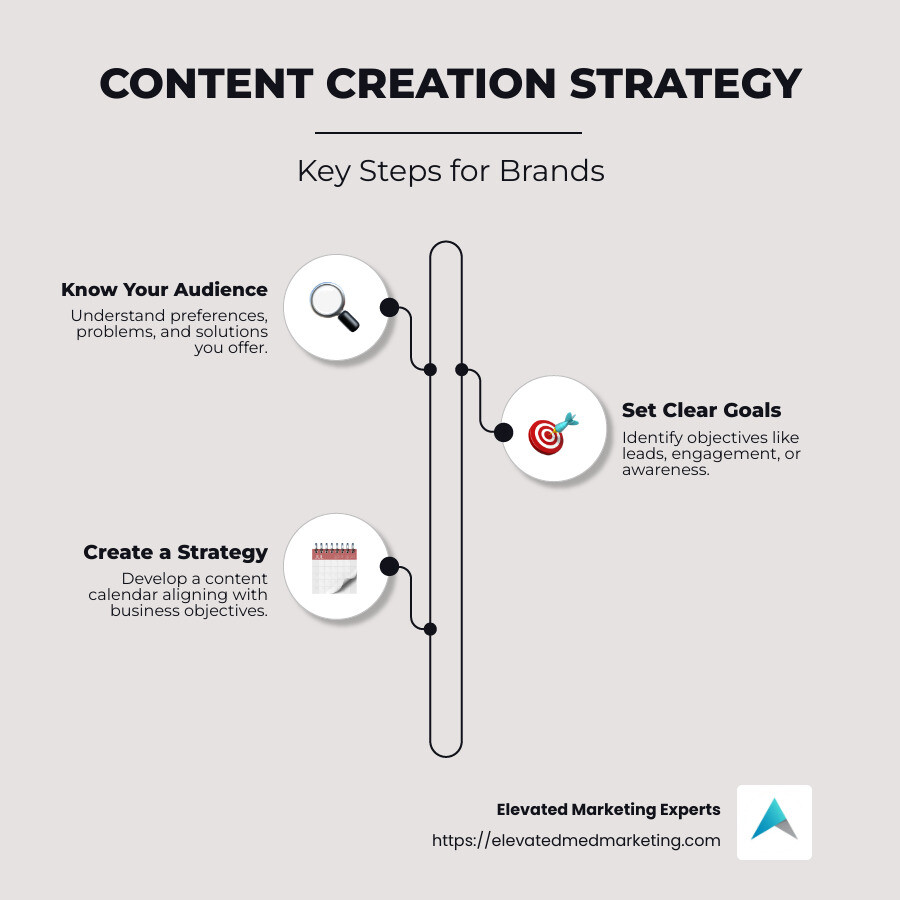
- Know Your Audience: Understand their preferences, problems, and what solutions you can offer.
- Set Clear Goals: What do you want your content to achieve? More leads, higher engagement, or increased brand awareness?
- Create a Strategy: Develop a content calendar and plan each piece of content to align with your business objectives.
- Focus on Quality Over Quantity: It’s better to have fewer well-thought-out pieces that truly engage your audience.
Getting these basics right can give your brand a solid foundation in content marketing.
I’m Joe Amaral, with a passion for crafting compelling stories through content creation for brands, honed over years in the digital marketing field. Having co-founded a marketing company, I’ve learned the art and science of reaching audiences in meaningful ways. This discussion on content strategy flows seamlessly into understanding the deeper importance of content creation for brands.
Basic content creation for brands vocab:
– agency content creation
– b2b content creation agencies
– business content creation
The Importance of Content Creation for Brands
Content creation is a powerful tool for brands, acting as the backbone of their brand identity. It’s not just about getting noticed; it’s about being remembered. Your content tells the story of who you are and what you stand for, helping to shape the perception of your brand in the minds of consumers.
Building a Strong Brand Identity
A consistent and clear brand identity is what sets you apart from competitors. It involves the tone, style, and values that your brand communicates through every piece of content. For instance, think about brands like Nike or Apple—they have distinct voices and messages that are instantly recognizable. This doesn’t happen by accident; it is the result of strategic content creation.
Consider this: 60% of consumers feel a sense of loyalty towards brands that understand them.
This statistic highlights the importance of aligning your content with your brand identity to foster a loyal customer base.
Enhancing Audience Engagement
Engagement is more than just likes or shares; it’s about creating a dialogue with your audience. Your content should invite interaction, encouraging your audience to comment, share, and participate. This not only increases your reach but also strengthens your connection with your audience.
Content that resonates with your audience can transform them from passive viewers into active participants. Interactive content like polls, quizzes, or live videos can make your audience feel valued and heard. This engagement builds a community around your brand, fostering deeper connections and loyalty.
Strengthening Digital Presence
Having a strong online presence is crucial. Content creation plays a key role in enhancing your digital presence. High-quality, optimized content can improve your search engine rankings, making it easier for potential customers to find you.
Think of your content as digital real estate. The more valuable and relevant it is, the more likely it is to attract visitors. Regularly updating your content keeps your digital presence fresh and relevant, helping you stay top of mind with your audience.
Moreover, different types of content—whether it’s blog posts, videos, or infographics—can reach different segments of your audience. By diversifying your content, you can maximize your reach and impact across various digital platforms.
Content creation for brands is not just about creating content; it’s about crafting a coherent and engaging narrative that builds your brand identity, engages your audience, and strengthens your digital presence. As we explore the next section, we’ll dig into the steps needed to create effective content that achieves these goals.
Steps to Effective Content Creation
Creating content isn’t just about writing a blog post or sharing a picture. It’s a strategic process that begins with understanding your target audience and ends with optimizing your content for maximum impact. Let’s break it down into simple steps.
Understanding Your Target Audience
Before you create anything, you need to know who you’re talking to. This means understanding your audience’s preferences, interests, and pain points. Think about it like this: you wouldn’t talk to a group of teenagers the same way you would talk to business professionals, right?
Use tools like Google Analytics or social media insights to gather data about your audience. This information will guide your content style, tone, and topics.
Setting Clear Content Goals
Once you know your audience, set clear goals for your content. Ask yourself: What do you want to achieve with your content? Is it to increase brand awareness, drive traffic, or boost sales?
Your goals should be SMART—Specific, Measurable, Achievable, Relevant, and Time-bound. For example, instead of saying “increase website traffic,” aim for “increase website traffic by 20% in the next three months.”
Creating a Content Calendar
A content calendar is your roadmap to consistent and organized content creation. It helps you plan what content you’ll create, when you’ll publish it, and where.
Start by listing all the content types you want to produce—blog posts, videos, social media updates. Then, schedule them over the weeks or months ahead. This keeps your content efforts on track and ensures a steady flow of material to your audience.
Optimizing Your Content
Finally, after creating your content, it’s time to optimize it. This involves using keywords, adding meta descriptions, and ensuring your content is mobile-friendly. Even the best content won’t perform well if it’s not optimized for search engines and user experience.
By following these steps, you can create content that not only resonates with your audience but also achieves your business goals. Up next, we’ll explore how to choose the right platforms for your brand to ensure your content reaches the right people.
Choosing the Right Platforms for Your Brand
Choosing the right platforms is crucial for any content creation for brands strategy. Each platform has its unique features and appeals to different audience types. Let’s explore how to make the best choice.
Social Media Channels
Social media platforms are diverse, each offering unique ways to connect with your audience. Here’s a quick breakdown:
- Facebook: Great for reaching a broad audience with mixed content formats like text, images, and video.
- Instagram: Perfect for visual content and engaging younger audiences with photos, Stories, and Reels.
- LinkedIn: Best for B2B content and professional networking.
- Twitter: Ideal for real-time updates and engaging in trending conversations.
Choosing the right channels depends on where your audience spends their time and which platforms align with your brand’s personality.
Platform-Specific Content
Once you’ve selected your platforms, adapt your content to fit each one. This is crucial because what works on Instagram might not work on LinkedIn.
- Instagram: Focus on high-quality visuals and short, engaging captions.
- LinkedIn: Share insightful articles, industry news, and professional achievements.
- Twitter: Use short, punchy messages and hashtags to join trending topics.
Tailoring your content not only increases engagement but also improves your brand’s authenticity on each platform.
Audience Preferences
Understanding your audience’s preferences is key to selecting the right platforms. For example, if your audience is primarily Gen Z, Instagram and TikTok might be your best bet.
Use tools like social media insights and surveys to gather data on where your audience is most active. This will help you focus your efforts on platforms that matter most to them.
By choosing the right platforms and tailoring your content accordingly, you can maximize your brand’s reach and engagement. Next, we’ll dive into how collaborating with content creators can amplify your brand’s message.
Collaborating with Content Creators
Collaborating with content creators is a powerful strategy for brands looking to connect authentically with their audience. Let’s explore the different facets of this collaboration, including influencer marketing, the distinction between content creators and influencers, and the benefits of creator partnerships.
Influencer Marketing
Influencer marketing is a rapidly growing field, expected to reach over $35 billion globally by 2024. This approach involves partnering with individuals who have a significant following and can sway their audience’s purchasing decisions. Influencers are seen as trusted voices, and their endorsements can carry more weight than traditional advertising.
When choosing influencers, brands should look beyond follower numbers. Engagement rates, content style, and alignment with brand values are critical factors. A well-chosen influencer can introduce your product to new audiences in a way that feels genuine and engaging.
Content Creators vs. Influencers
While the terms “content creators” and “influencers” are often used interchangeably, they represent different roles. Content creators focus on crafting high-quality, engaging content across various formats like blogs, videos, and podcasts. They build a brand’s identity by humanizing it and making it relatable.
On the other hand, influencers primarily leverage their large platforms to affect purchasing decisions. They may not always create original content but are adept at engaging their followers and driving conversations.
For brands, understanding this distinction is crucial. Collaborating with content creators can help build a brand’s culture and narrative, while influencers can amplify this message to a broader audience.
Creator Partnerships
Forming partnerships with creators who embody your brand values can significantly improve your marketing efforts. These partnerships allow brands to tap into pre-existing cultural channels, making the brand more relatable and accessible.
To foster successful creator partnerships, consider the following:
Campaign Plan: Define your goals, KPIs, and budget before reaching out to creators. This sets the stage for a focused and effective collaboration.
Audience Alignment: Ensure the creator’s audience demographics align with your target market. This increases the likelihood of engagement and conversion.
Authenticity: Choose creators who can authentically integrate your brand into their content. Authentic endorsements resonate more with audiences and build trust.
By leveraging the unique strengths of content creators and influencers, brands can craft compelling stories that resonate with their audience. This collaboration not only improves brand visibility but also fosters deeper connections with consumers.
Next, we’ll address some frequently asked questions about content creation for brands, providing insights into effective strategies and tools.
Frequently Asked Questions about Content Creation for Brands
How do I create content for my brand?
Creating content for your brand involves several key steps that start with understanding your creator personality. This is about infusing your unique style and voice into the content you produce. It’s what sets you apart and makes your brand relatable.
Niche selection is another crucial step. Picture a Venn diagram: one circle is the content you love to create, and the other is what your audience loves to consume. Your niche sits right in the middle. Finding this sweet spot requires experimentation and paying attention to what resonates with your audience.
A content calendar is essential to stay organized and consistent. It helps you plan what and when to post, ensuring a steady stream of content that keeps your audience engaged. Start small, perhaps with bi-weekly posts, and gradually increase as you streamline your process.
What are the steps in creating a content marketing strategy?
The first step in crafting a content marketing strategy is research. Understand your audience’s needs, preferences, and pain points. Tools like Google Trends and BuzzSumo can help identify trending topics and themes.
Next, generate content ideas that align with your brand mission and audience interests. Use keyword research tools like Google’s Keyword Planner to find popular search terms related to your niche.
Content analysis is the final step. After publishing, track the performance of your content using analytics tools. Look at metrics like engagement rates, shares, and comments to see what works and what doesn’t. This data-driven approach allows you to refine your strategy over time.
How to be a content creator for brands?
To be an effective content creator, leverage content creation tools. Use platforms like Canva for designing visuals, and Descript for editing videos and podcasts. These tools help streamline your workflow and improve content quality.
Understanding performance metrics is also vital. Track key indicators such as reach, impressions, and conversion rates to measure success. Adjust your strategies based on these insights to ensure continuous improvement.
In the next section, we’ll explore the conclusion, delving into how Liftd Marketing Experts can help you master content creation for brands through effective storytelling and audience engagement.
Conclusion
Crafting compelling brand stories is an art. It’s about weaving narratives that resonate with your audience while showcasing your brand’s identity. At Elevated Marketing Experts, we understand the power of storytelling in content creation for brands. Our focus is on helping you connect with your audience on a deeper level.
Brand storytelling isn’t just about talking about your products or services. It’s about sharing your journey, values, and the unique experiences that make your brand stand out. This approach fosters a genuine connection with your audience, building trust and loyalty over time.
We believe that effective content creation is a blend of creativity and strategy. It’s about finding the right balance between what your audience wants and what you want to convey. By understanding your audience’s preferences and tapping into current trends, you can create content that not only engages but also converts.
Our expertise at Elevated Marketing Experts lies in creating content that elevates your brand’s digital presence. Whether it’s through engaging blog posts, eye-catching visuals, or impactful social media campaigns, we tailor our strategies to meet your unique needs.
Ready to take your brand’s storytelling to the next level? Partner with us at Elevated Marketing Experts and let’s create stories that captivate and connect.
With the right approach, content creation isn’t just a task—it’s an opportunity to build lasting relationships with your audience.


