
Business Content Creation: 5 Proven Steps for Success
Business content creation is essential for companies looking to thrive in today’s digital landscape. It involves the strategic planning and production of content aimed at engaging and converting audiences across various platforms. Here’s a quick look at why it’s crucial:
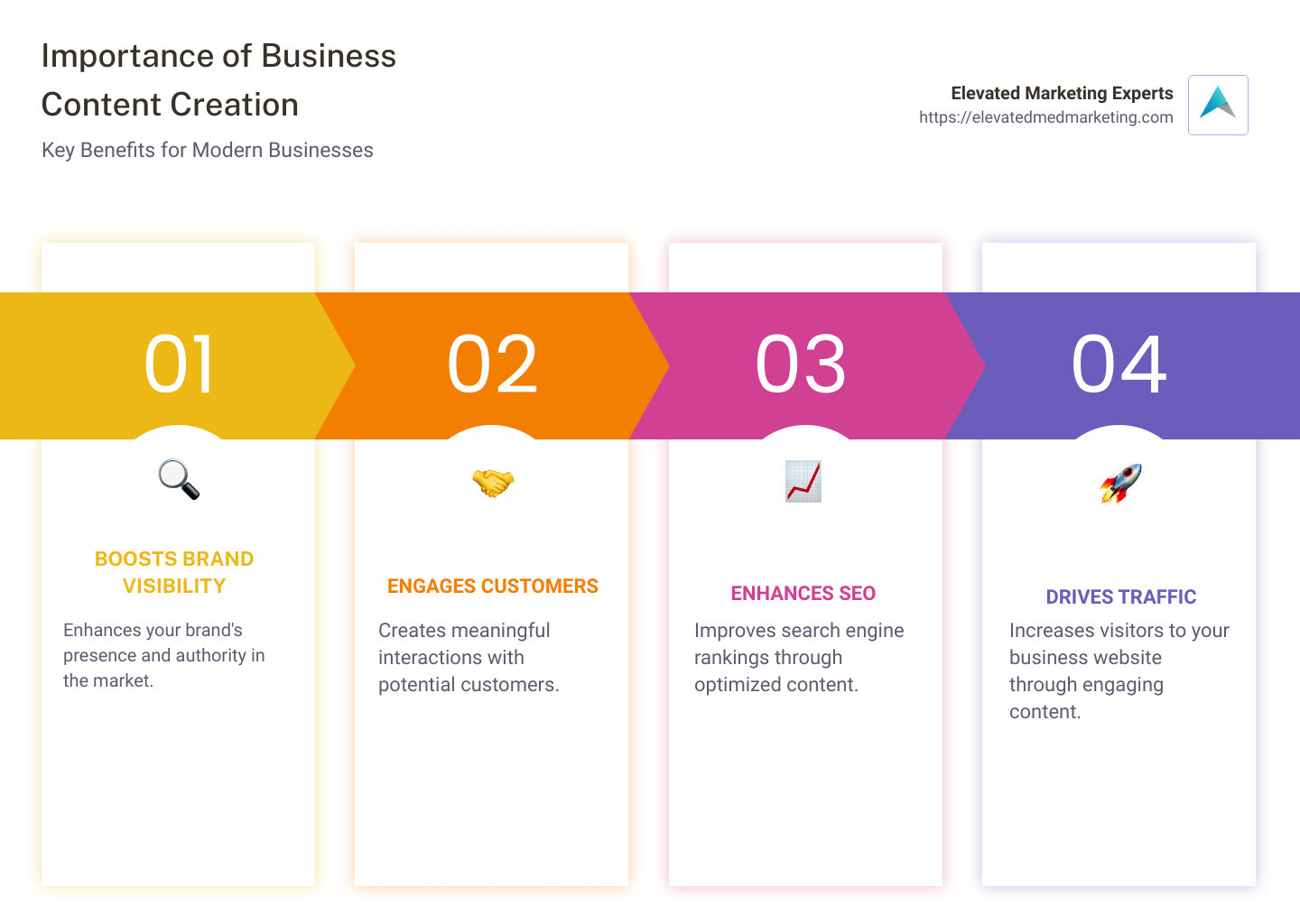
- Boosts brand visibility and authority.
- Engages and informs potential customers.
- Improves SEO, improving search engine rankings.
- Drives traffic to business websites.
In today’s competitive market, content is not just king; it’s a necessity. Creating content that resonates with your target audience can transform passive visitors into loyal customers. Whether it’s an insightful blog post, an engaging social media update, or an informative video, each piece of content contributes to building a strong and recognizable brand presence. The shift from traditional to digital marketing has made content creation a strategic imperative for businesses of all sizes.
As Joe Amaral, I know the transformative power of effective business content creation. With my experience in digital marketing, I’ve helped businesses harness the latest technological advancements to refine their content strategies and improve marketing efficiency. Let’s explore why aligning your content creation efforts with a sound strategy can be a game-changer.
Understanding Business Content Creation
Business content creation is the process of developing and sharing valuable, relevant, and consistent content to attract and engage a specific audience. This content can take many forms, such as blog posts, videos, social media updates, and more. The goal is to drive profitable customer actions by addressing the needs and interests of your audience.
Purpose of Business Content Creation
The primary purpose of business content creation is to build a connection with your audience. By providing content that is both informative and engaging, businesses can establish trust and authority in their industry. Content creation also plays a critical role in:
- Educating customers about your products or services.
- Building brand awareness by reaching a wider audience.
- Driving customer engagement, leading to increased loyalty and retention.
Benefits of Effective Content Creation
Creating compelling content offers numerous benefits for businesses:
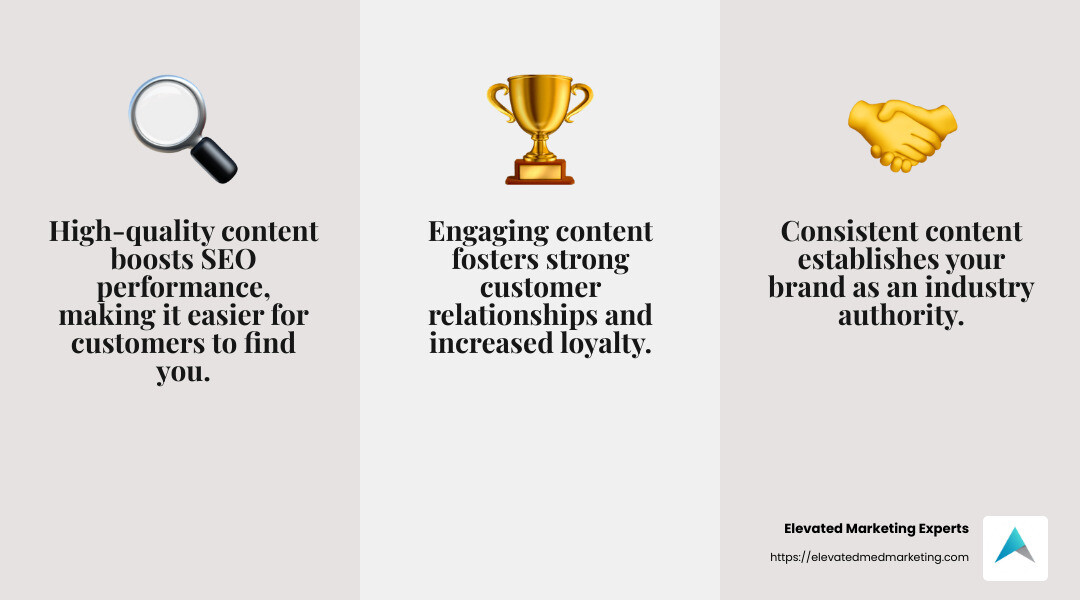
Improved SEO Performance: High-quality content improves search engine rankings, making it easier for potential customers to find your business online. Search engines favor content that is shared and discussed, so creating share-worthy content is key.
Increased Brand Authority: Consistently producing insightful and valuable content establishes your business as a thought leader in your industry. This can lead to greater trust and credibility among your audience.
Improved Customer Relationships: By addressing the pain points and needs of your customers, content creation helps to foster stronger relationships. Engaging content encourages interaction and feedback, which can be invaluable for refining your offerings.
Higher Conversion Rates: Targeted content that speaks directly to your audience’s needs can guide them through the buyer’s journey, ultimately leading to higher conversion rates.
Incorporating a well-thought-out content strategy can make a significant difference in how your business is perceived and how effectively it can engage with its audience. By understanding the purpose and benefits of business content creation, companies can craft content that not only resonates but also drives meaningful results.
Now that we’ve covered the fundamentals, let’s dive into the key elements that make content creation effective.
Key Elements of Effective Content Creation
Creating effective content isn’t just about writing something and hitting “publish.” It involves understanding your audience, choosing the right content types, and planning with a content calendar.
Audience Analysis
Before you start creating content, you need to know who you’re creating it for. This is where audience analysis comes in. By understanding your audience’s needs, interests, and pain points, you can tailor your content to meet their expectations.
Here are some steps to help you analyze your audience:
Develop Buyer Personas: These are fictional characters that represent your ideal customers. They help you understand your audience’s demographics, behaviors, and challenges. Elevated Marketing Experts suggests using tools like HubSpot’s Make My Persona to create detailed personas.
Conduct Surveys and Interviews: Get direct feedback from your existing customers to better understand what they want and need.
Analyze Competitors: Look at what your competitors are doing well and where they fall short. This can give you insights into what your audience might be looking for.
Content Types
Once you know your audience, it’s time to decide what type of content will best engage them. Different content types serve different purposes:
Blog Posts: Great for providing in-depth information and improving SEO. They can address common questions your audience has, as suggested by the 15 Killer Questions to Spark Your Content Creation.
Videos: Perfect for visual learners and can be more engaging than text. Platforms like YouTube offer a great way to reach a broad audience.
Social Media Updates: Quick and easily shareable, they help keep your brand in the audience’s mind.
Infographics: Simplify complex information and make it more digestible.
Case Studies: Showcase real-life examples of how your products or services have helped others. They’re particularly useful for B2B companies.
Content Calendar
A well-organized content calendar is crucial for maintaining consistency and ensuring that your content strategy aligns with your business goals. Here’s how to create one:
Plan Ahead: Decide what content you will create and when it will be published. This helps you stay organized and ensures that you’re always providing fresh content.
Align with Business Goals: Make sure your content supports your overall business objectives, whether it’s increasing brand awareness, generating leads, or improving customer engagement.
Use Tools: Tools like HubSpot’s Editorial Calendar Templates can help you plan and schedule your content effectively.
By focusing on these key elements—audience analysis, choosing the right content types, and maintaining a content calendar—you can create content that not only resonates with your audience but also drives your business objectives forward.
Next, we’ll explore the steps to create engaging business content, from research to distribution.
Steps to Create Engaging Business Content
Creating engaging business content is like cooking a delicious meal. It requires the right ingredients, preparation, and a touch of creativity. Let’s break down the steps to ensure your content not only grabs attention but also keeps your audience coming back for more.
Research
Research is the backbone of any successful content strategy. Without it, you’re shooting in the dark.
Understand Your Audience: Dive deep into their needs and preferences. Use surveys, interviews, and tools like Google Analytics to gather insights. This ensures your content is relevant and valuable.
Explore Industry Trends: Stay updated with the latest happenings in your field. This can help you create timely content that positions your business as a thought leader.
Analyze Competitors: Look at what your competitors are doing. What works for them? What gaps can you fill? This competitive analysis can provide a roadmap for your content efforts.
Planning
Once your research is done, it’s time to plan your content. Think of this as setting the stage for a successful performance.
Set Clear Goals: What do you want your content to achieve? Whether it’s increasing brand awareness or driving sales, having clear goals will guide your content creation process.
Choose Content Types: Decide on the formats that best suit your audience and objectives. Whether it’s blog posts, videos, or infographics, the right mix can improve engagement.
Develop a Content Calendar: A content calendar helps you organize and schedule your content. It ensures consistency and helps you align with important dates and events. Tools like HubSpot’s Editorial Calendar Templates can be invaluable here.
Execution
With your plan in place, it’s time to bring your content to life. This is where creativity meets strategy.
Craft Compelling Content: Write clear, concise, and engaging content. Use storytelling to connect with your audience emotionally. Your content should not only inform but also entertain.
Incorporate Visuals: Use images, infographics, and videos to make your content more appealing. Visual elements can break up text and make complex information easier to digest.
Edit and Revise: Before publishing, ensure your content is error-free and polished. Editing and proofreading are crucial steps in maintaining quality.
Distribution
Creating great content is just the beginning. You need to get it in front of the right people.
Identify Distribution Channels: Choose platforms that align with your audience. Whether it’s social media, email newsletters, or your website, each channel has its strengths.
Optimize for SEO: Ensure your content is search-engine-friendly. Use relevant keywords and meta tags to improve visibility.
Encourage Sharing: Make it easy for your audience to share your content. Include social sharing buttons and encourage discussions to increase reach.
By following these steps, you can create business content that not only engages but also delivers results. Next, we’ll dive into the tools and resources that can streamline your content creation process.
Tools and Resources for Business Content Creation
Creating effective business content requires the right tools. Just like a chef needs sharp knives and quality ingredients, content creators need reliable resources to produce top-notch content. Here, we’ll explore content management systems, graphic design tools, and analytics platforms that can lift your content game.
Content Management Systems (CMS)
A Content Management System is the backbone of your content operations. It helps you create, manage, and publish content efficiently. Some popular CMS options include:
WordPress: Known for its flexibility, WordPress powers over 40% of websites globally. It’s user-friendly and offers a wide range of plugins to improve functionality.
HubSpot: Ideal for businesses focused on inbound marketing, HubSpot’s CMS is integrated with its CRM, making it easy to manage content and track customer interactions.
Squarespace: Perfect for visually-driven businesses, Squarespace offers stunning templates and an intuitive interface, making it easy to build beautiful websites.
Choosing the right CMS depends on your business needs and technical expertise. Evaluate each option to find the best fit for your content strategy.
Graphic Design Tools
Visual elements are crucial in making your content engaging. Tools like Canva and Adobe Spark can help you create eye-catching graphics without needing a design degree.
Canva: Canva is a favorite among marketers for its ease of use and vast library of templates. Whether you’re creating social media posts or infographics, Canva has you covered.
Adobe Spark: Adobe Spark offers powerful design tools with a simple interface. It’s great for creating videos, web pages, and graphics.
Figma: For teams that need to collaborate on design projects, Figma offers real-time collaboration features, making it easy to work together seamlessly.
These tools can help you create professional-quality visuals, enhancing the appeal of your content.
Analytics Platforms
Understanding how your content performs is crucial for continuous improvement. Analytics platforms provide insights that can inform your strategy and help you make data-driven decisions.
Google Analytics: This free tool is essential for tracking website traffic and user behavior. It provides valuable insights into which content resonates with your audience.
Kissmetrics: Kissmetrics focuses on customer engagement and conversion metrics, offering detailed insights into how users interact with your content over time.
SEMrush: Known for its SEO capabilities, SEMrush also provides content analytics, helping you identify which pieces drive the most traffic and engagement.
By leveraging these analytics platforms, you can refine your content strategy to better meet audience needs and achieve your business goals.
In summary, selecting the right tools for business content creation can streamline your process and improve the quality of your output. Next, we’ll address some frequently asked questions to further explain content creation for businesses.
Frequently Asked Questions about Business Content Creation
What is business content creation?
Business content creation is the process of generating valuable and relevant content that resonates with your target audience. This content can take various forms, such as blog posts, videos, infographics, and social media updates. The goal is to communicate your brand’s message, engage with potential and existing customers, and ultimately drive business growth.
For example, a tech company might create a series of blog posts explaining how their software solutions solve specific industry problems. A retailer, on the other hand, might produce engaging videos showcasing their latest fashion collections. The key is to tailor the content to your audience’s interests and needs.
How can content creation benefit my business?
Content creation offers a multitude of benefits for businesses:
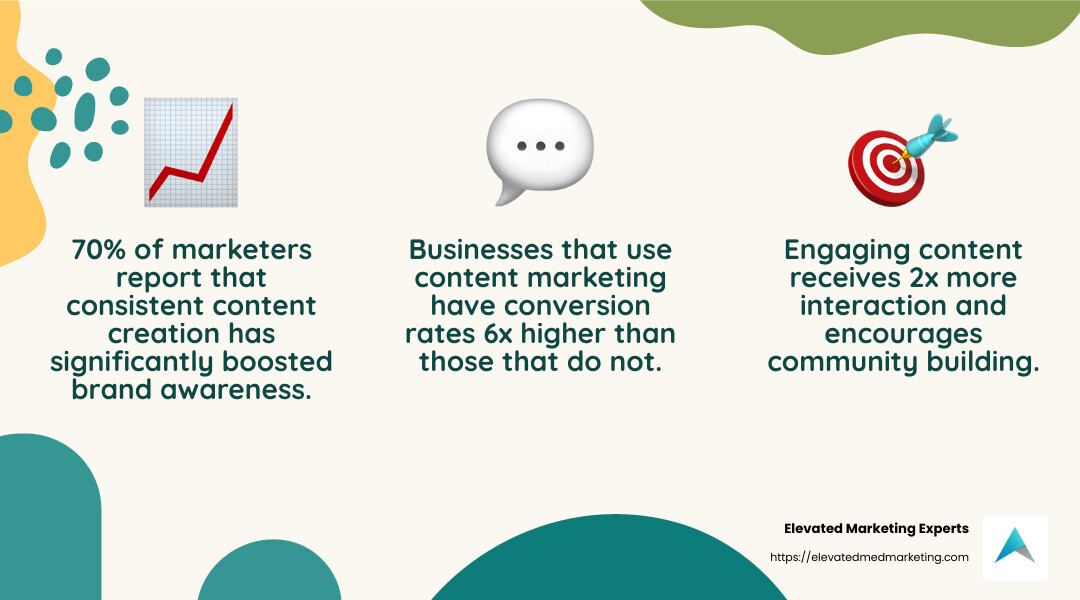
Brand Awareness: Creating high-quality content consistently helps increase your brand’s visibility. By sharing valuable information, you position your brand as a trusted resource, keeping it top of mind for consumers. This fosters familiarity and trust, which are crucial when customers are ready to make a purchase.
Customer Engagement: Engaging content encourages interaction and discussion. It transforms passive viewers into active participants, fostering a sense of community around your brand. This engagement can lead to deeper connections with your audience, ultimately boosting customer loyalty and retention.
What are the best tools for content creation?
Choosing the right tools can streamline your content creation process and improve the quality of your output. Here are some essential tools and platforms:
Content Management Systems (CMS): Platforms like WordPress, HubSpot, and Squarespace provide robust solutions for managing and publishing content efficiently.
Graphic Design Tools: Canva and Adobe Spark are excellent for creating visually appealing graphics. They offer user-friendly interfaces and a wealth of templates, making it easy for anyone to design professional-looking visuals.
Analytics Platforms: Google Analytics and SEMrush are invaluable for tracking content performance. They provide insights into which pieces resonate with your audience, helping you refine your strategy.
By leveraging these tools, businesses can produce high-quality content that not only attracts but also retains customers, driving long-term success.
Conclusion
At Elevated Marketing Experts, we are passionate about helping aesthetic and wellness practices harness the power of business content creation. Our expertise in digital marketing for plastic surgeons and medical spas sets us apart, providing custom solutions that elevate your online presence.
In this guide, we’ve explored the essentials of business content creation. We’ve discussed how understanding your audience, crafting engaging content, and utilizing the right tools can transform your brand’s visibility and customer engagement. Whether it’s creating compelling blog posts, eye-catching videos, or interactive social media updates, effective content creation is key to driving business growth.
Ready to take your content strategy to the next level? Our team at Elevated Marketing Experts is here to support you every step of the way. We offer a range of services, from organic SEO to Google Ads management, designed to amplify your brand’s reach and impact.
Visit our marketing content creation page to learn more about how we can help your business thrive in the digital landscape.
Let’s elevate your digital marketing together!


