

Beauty Industry Marketing: Top Trends in 2024 Success
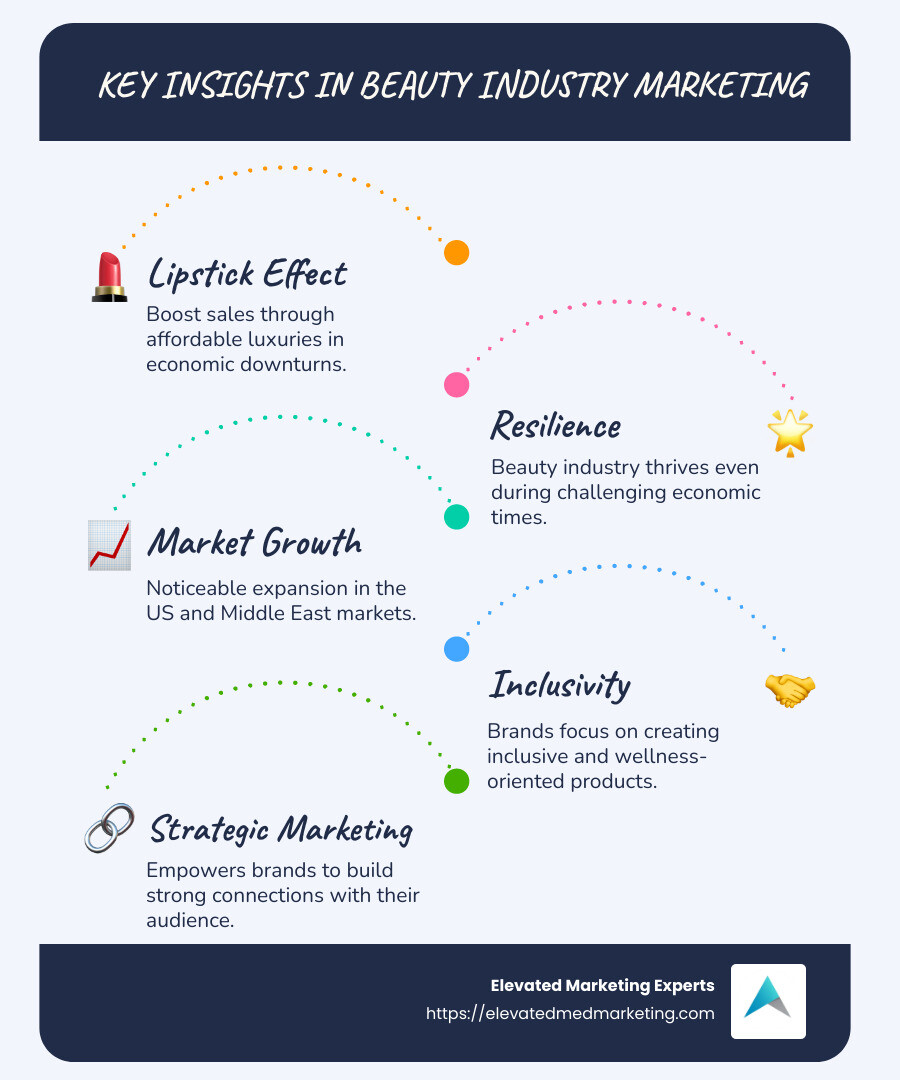
Beauty industry marketing is a vibrant field, driven by dynamic strategies custom to evolving consumer needs and a rapidly changing digital landscape. At its core, it aims to boost visibility and engagement through compelling branding, effective use of social media, and innovative promotional tactics. This approach not only helps beauty brands thrive but also empowers them to build strong connections with their audience.
A key insight in beauty marketing is recognizing the potential impact of the Lipstick Effect. During tough economic times, people tend to indulge in small, affordable luxuries like lipstick, which can drive significant sales growth in the beauty sector. It’s a testament to the resilience of this industry, even amid economic downturns.
The beauty market is also experiencing robust growth. As brands focus on creating inclusive and wellness-oriented products, there’s a noticeable expansion, particularly in regions like the US and the Middle East. This growth presents exciting opportunities for both established players and new entrants in the beauty space.
I’m Joe Amaral. With a background in digital marketing, I’ve seen the transformative power of strategic beauty industry marketing firsthand. My experience includes helping brands harness the Lipstick Effect and steer the changing beauty market to achieve sustainable growth. Let’s explore this vibrant field together.
Understanding Beauty Industry Marketing
In beauty industry marketing, understanding the foundational elements is crucial. Let’s break down some key concepts: the Four Ps, social media, and influencer collaborations.
The Four Ps: Foundation of Marketing
The Four Ps—Product, Price, Place, and Promotion—form the backbone of any marketing strategy, including in the beauty industry.
Product: It’s all about what you’re selling. In beauty, this could mean innovative skincare lines or makeup that resonates with current trends. Brands like Glossier have thrived by focusing on minimalistic products that cater to the “less is more” trend.
Price: This isn’t just about cost—it’s about perceived value. During economic downturns, the Lipstick Effect shows that affordable luxuries, like a new shade of lipstick, can still attract customers. Brands need to balance pricing with value to appeal to budget-conscious consumers.
Place: Where your products are available matters. With the rise of e-commerce, having a strong online presence is essential. However, physical stores still play a role, especially for products that customers want to try before buying.
Promotion: How you communicate with your audience. This includes advertising, PR, and promotional strategies. Effective promotion helps differentiate your brand in a crowded market.
Social Media: The Digital Beauty Counter
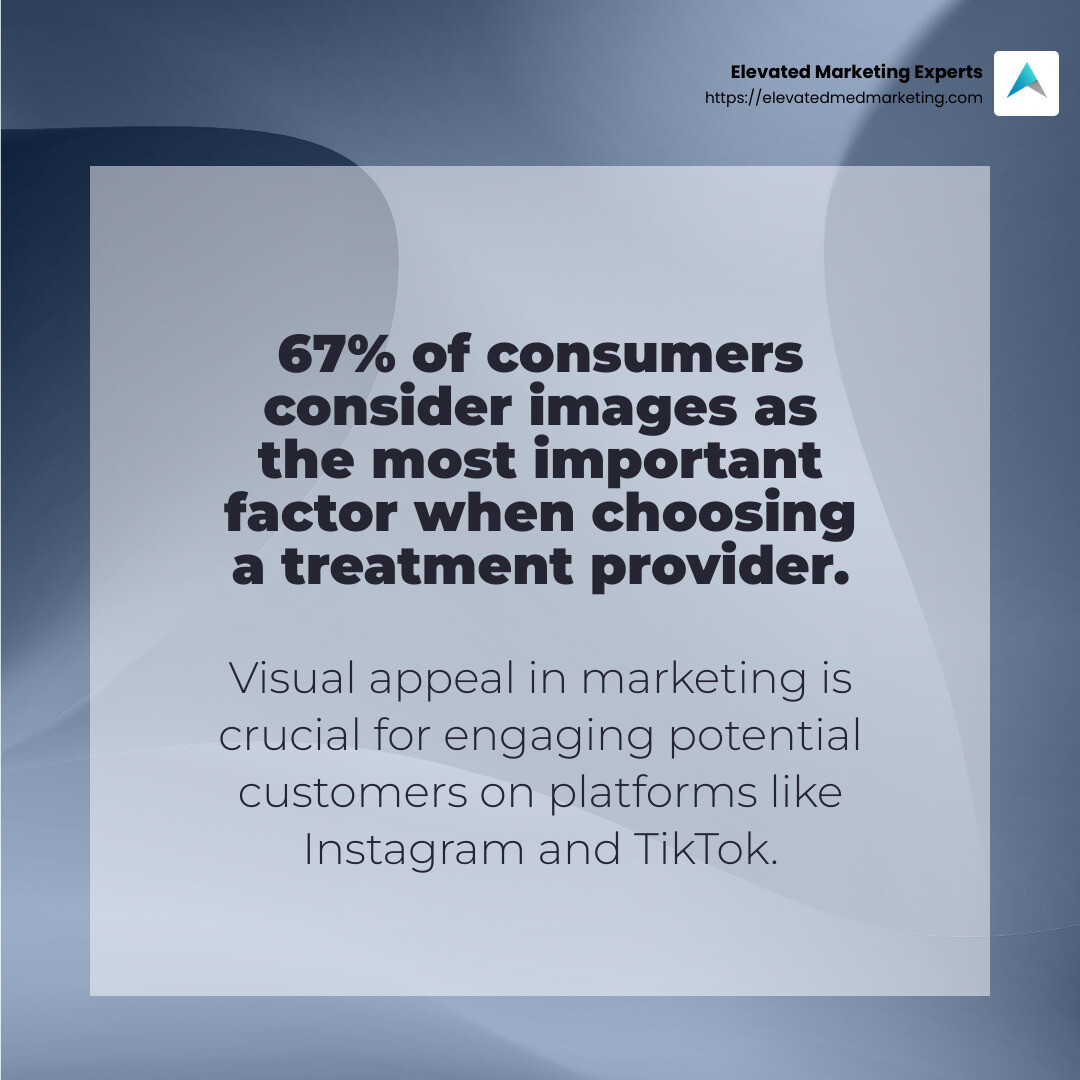
Social media platforms like Instagram and TikTok have become essential for beauty brands. They are not just marketing tools but spaces where brands can engage directly with their audience.
Instagram: Known for its visual appeal, it’s perfect for showcasing products through high-quality images and videos. Beauty brands use Instagram to share tutorials, user-generated content, and influencer collaborations.
TikTok: This platform is a powerhouse for viral beauty trends. Short, engaging videos can showcase product changes or beauty hacks, capturing the attention of millions.
Influencer Collaborations: Authentic Engagement
Influencer collaborations are a game-changer in beauty marketing. They provide a way to reach audiences authentically and effectively.
Micro-Influencers: These influencers may have smaller followings, but they often have higher engagement rates. Their audiences trust their recommendations, making them valuable partners for beauty brands.
Authenticity: Consumers value genuine endorsements. Collaborations with influencers who align with your brand values can drive engagement and build trust.
For example, when beauty brands partner with influencers who genuinely use their products, it results in more authentic and convincing promotions. This approach aligns with the finding that 61% of consumers value authenticity when choosing which brands to support.
In conclusion, understanding and leveraging the Four Ps, social media, and influencer collaborations are essential for effective beauty industry marketing. These elements work together to create a robust strategy that can adapt to the ever-changing landscape of the beauty market.
Next, let’s explore the key trends shaping beauty industry marketing today.
Key Trends in Beauty Industry Marketing
The beauty industry is dynamic, constantly evolving with new trends and innovations. Let’s explore some of the key trends shaping beauty industry marketing today.
Natural Ingredients: Back to Basics
Consumers are increasingly interested in natural and clean beauty products. They want transparency about what’s in their products and how they’re made. This trend is driven by a desire for healthier lifestyles and environmental consciousness.
Transparency: Brands like The Ordinary have gained popularity by listing all their ingredients and explaining their benefits. This openness builds trust and loyalty.
Sustainability: Many consumers prefer products with sustainable sourcing and eco-friendly packaging. Brands that highlight these aspects can stand out in a crowded market.
Hyper-Personalization: Custom Beauty
Hyper-personalization is about offering products that meet the unique needs of each customer. This trend is made possible by advancements in data analytics and AI.
Customized Products: Brands like Function of Beauty allow customers to create personalized haircare products based on their specific needs and preferences.
AI Technology: AI tools can analyze skin types and recommend personalized skincare routines. This level of personalization can improve customer satisfaction and loyalty.
Biotech Innovations: Science Meets Beauty
Biotechnology is revolutionizing the beauty industry. It allows for the creation of innovative products that offer real, scientifically-backed benefits.
Probiotic Skincare: Products infused with probiotics are gaining popularity for their benefits in balancing skin microbiomes.
Lab-Grown Ingredients: Companies are developing lab-grown ingredients that mimic natural ones, offering similar benefits without environmental impact.
TikTok: The Viral Beauty Platform
TikTok has emerged as a powerful platform for beauty marketing. Its short-form videos are perfect for showcasing beauty products and trends.
Viral Challenges: Beauty brands can create challenges that encourage user participation, increasing brand visibility.
Influencer Collaborations: Partnering with TikTok influencers can amplify brand messages and reach younger audiences.
Instagram: The Visual Showcase
Instagram remains a crucial platform for beauty brands, offering a space to visually engage with consumers.
Stories and Reels: These features allow brands to share quick, engaging content that can capture attention and drive engagement.
Shoppable Posts: Instagram’s shopping features enable users to purchase products directly from the app, streamlining the buying process.
Incorporating these trends into your beauty industry marketing strategy can help your brand stay relevant and competitive. As the industry continues to evolve, staying informed and adaptable is key to success.
Next, we’ll dig into effective strategies for beauty industry marketing, focusing on community building, testimonials, and more.
Effective Strategies for Beauty Industry Marketing
In today’s beauty industry, effective marketing strategies are essential for standing out. Here are some key strategies that can lift your beauty industry marketing efforts:
Community Building: Creating Loyal Fans
Building a community around your brand can significantly boost engagement and loyalty. When customers feel like they are part of a community, they are more likely to stay loyal and spread the word.
Engage on Social Media: Platforms like Facebook and Instagram are great for creating groups where customers can share experiences, tips, and feedback.
Exclusive Offers: Offer members-only promotions or early access to new products to make your community feel special.
Testimonials: Word of Mouth Power
Testimonials are a powerful tool in the beauty industry. They provide social proof and build trust with potential customers.
Video Testimonials: Encourage customers to share video reviews of your products. Videos are engaging and can be shared across multiple platforms.
Feature on Product Pages: Display customer testimonials prominently on your website to influence purchasing decisions.
Content Marketing: Educate and Inspire
Content marketing is about creating valuable content that attracts and retains customers. It helps establish your brand as an authority in the beauty industry.
Tutorials and How-Tos: Create videos and articles that educate your audience on how to use your products effectively.
User-Generated Content: Share content created by your customers, such as makeup looks or skincare routines, to foster a sense of community and authenticity.
Micro-Influencers: Niche Engagement
Micro-influencers have smaller but highly engaged audiences. Collaborating with them can be more effective than partnering with big-name influencers.
Authenticity: Micro-influencers often have a closer relationship with their followers, making their endorsements more believable.
Cost-Effective: These collaborations can be more budget-friendly while still reaching a targeted audience.
Social Listening: Stay Ahead of Trends
Social listening involves monitoring online conversations about your brand and industry. It helps you understand your audience and stay ahead of trends.
Track Mentions: Use tools to track mentions of your brand and products. This data can provide insights into customer sentiment and preferences.
Adapt Strategies: Use the insights gained from social listening to adapt your marketing strategies and product offerings to meet customer needs.
Incorporating these strategies into your beauty industry marketing plan can help you connect with your audience, build trust, and drive sales. Next, we’ll explore the role of e-commerce in amplifying these marketing efforts.
The Role of E-commerce in Beauty Industry Marketing
The beauty industry has been revolutionized by the rapid growth of e-commerce. This digital shift has not only expanded the reach of beauty brands but also transformed how consumers shop.
E-commerce Growth: A Booming Channel
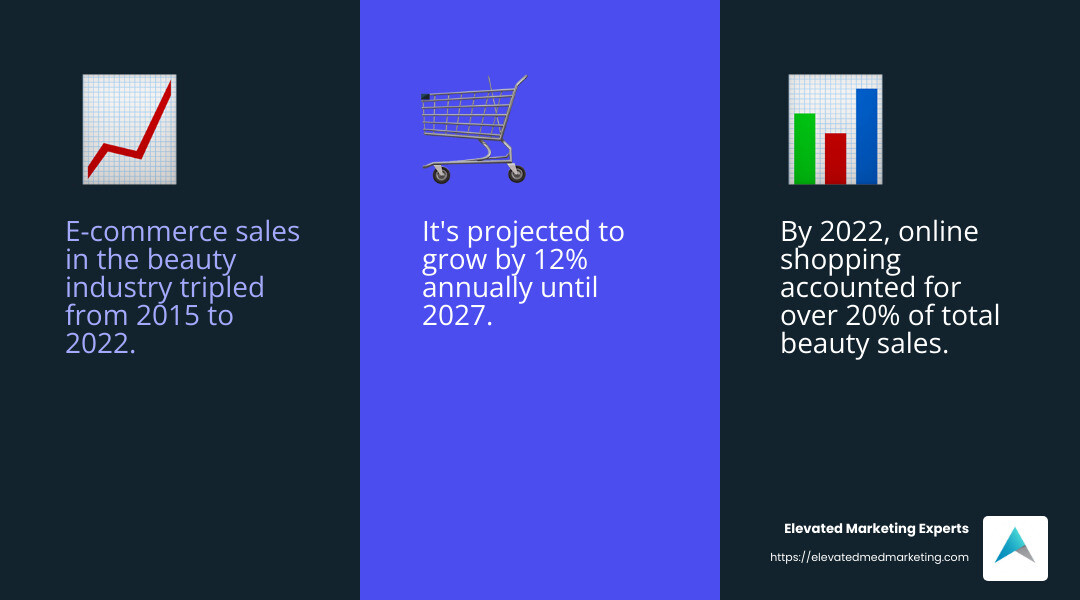
Between 2015 and 2022, the e-commerce share in the beauty sector nearly quadrupled. By 2022, it accounted for over 20% of total sales, and it’s expected to grow by 12% annually until 2027. This growth is fueled by the convenience of online shopping and the wide range of products available at the click of a button.
Key Drivers:
– Expanded Offerings: Platforms like Amazon and Tmall have broadened their beauty selections, attracting more online shoppers.
– Digital Sophistication: Direct-to-consumer brands have improved their digital strategies, making online shopping seamless and enjoyable.
– Social Selling: Livestreaming and social media platforms have become powerful tools for engaging customers and driving sales in regions like Asia.
Omnichannel: Blending Online and Offline
Consumers today expect a seamless shopping experience, whether they’re browsing online or visiting a store. This omnichannel approach is crucial for beauty brands aiming to meet customer expectations.
Strategies for Success:
– Integrated Systems: Ensure that your online and offline systems are connected, allowing for smooth transactions and consistent inventory management.
– In-Store Experiences: While e-commerce is growing, many consumers still value the in-store experience for finding and trying new products.
Social Selling: Engaging and Converting
Social selling leverages social media platforms to engage with potential customers and convert them into buyers. This approach is becoming increasingly important in beauty industry marketing.
Effective Tactics:
– Influencer Collaborations: Partner with influencers to showcase products in authentic, relatable ways.
– Interactive Content: Use features like Instagram Stories and TikTok videos to create engaging, shoppable content.
By using the power of e-commerce, beauty brands can reach wider audiences and improve their marketing efforts. This digital change is reshaping the landscape, offering new opportunities for growth and innovation. Next, we’ll dive into the frequently asked questions about beauty industry marketing.
Frequently Asked Questions about Beauty Industry Marketing
What is marketing in the beauty industry?
Marketing in the beauty industry is all about showcasing the benefits and unique selling points of beauty products to attract and retain customers. It’s not just about selling a product; it’s about telling a story that resonates with your audience.
For instance, emphasizing natural ingredients can appeal to eco-conscious consumers. Highlighting your product’s ability to provide a specific benefit, like long-lasting hydration or anti-aging effects, can set it apart from competitors. Understanding what makes your product special and communicating that effectively is key.
How to market a beauty product?
Marketing a beauty product involves several crucial steps:
Understand Your Target Market: Know who your ideal customers are. Conduct market research to learn about their preferences and behaviors. This helps tailor your messaging to their needs.
Analyze Competitors: Look at what other brands are doing. Identify gaps in the market that your product can fill. This can help you position your product more effectively.
SEO: Optimize your online content so that potential customers can find you easily. Use relevant keywords in your product descriptions and blog posts. This improves your visibility on search engines.
Leverage Social Media: Platforms like Instagram and TikTok are goldmines for beauty marketing. Use them to engage with your audience through posts, stories, and live videos.
Use Micro-Influencers: Collaborate with influencers who have a smaller, yet highly engaged following. Their recommendations can be more trusted than those from larger influencers.
What are the four P’s of the beauty industry?
The four P’s—Product, Price, Place, and Promotion—are fundamental to any marketing strategy, including beauty industry marketing.
Product: This is what you’re selling. Ensure your product meets the needs and expectations of your target market. Highlight its unique features and benefits.
Price: Set a price that reflects the value of your product while being competitive in the market. Consider offering different pricing tiers or bundles to attract a wider audience.
Place: This is where your product is available. With the rise of e-commerce, having an online presence is crucial. However, don’t neglect physical stores, as many consumers still value in-person shopping experiences.
Promotion: This is how you communicate with your audience. Use a mix of advertising, social media, influencer partnerships, and content marketing to reach your target market effectively.
By understanding and applying these elements, beauty brands can create a comprehensive marketing strategy that drives growth and builds brand loyalty. Let’s now explore how these principles can be adapted to different scenarios in beauty industry marketing.
Conclusion
In the changing world of beauty industry marketing, having a strategic partner like Elevated Marketing Experts can make all the difference.
Our industry experience sets us apart. We’ve honed our skills in helping aesthetic and wellness practices grow their online presence. Whether it’s a plastic surgeon looking to attract more clients or a medical spa aiming to boost its brand, we know the ins and outs of the beauty sector.
Digital marketing solutions are at the heart of what we offer. From organic SEO to content creation, we tailor our services to meet the unique needs of each client. Our approach is comprehensive, ensuring every aspect of your digital presence is optimized for success.
In today’s digital-first world, it’s not enough to simply exist online. You need to stand out. Our team is here to help you do just that. We focus on building strategies that not only increase visibility but also foster genuine connections with your audience.
Ready to elevate your beauty business to new heights? Find out how our expertise can transform your marketing efforts. Learn more about our services here.
With the right partner, your beauty brand can shine brighter than ever. Let’s start on this journey together, turning your marketing from basic to brilliant.


