

Advanced Segmentation Techniques: 5 Proven Success Steps
Advanced segmentation techniques are changing how businesses engage with their audiences, especially in the nuanced field of digital marketing. For busy professionals like plastic surgeons and medical spa owners, advanced segmentation offers a powerful opportunity to refine marketing strategies and improve outreach effectiveness. To get started, consider these key points:
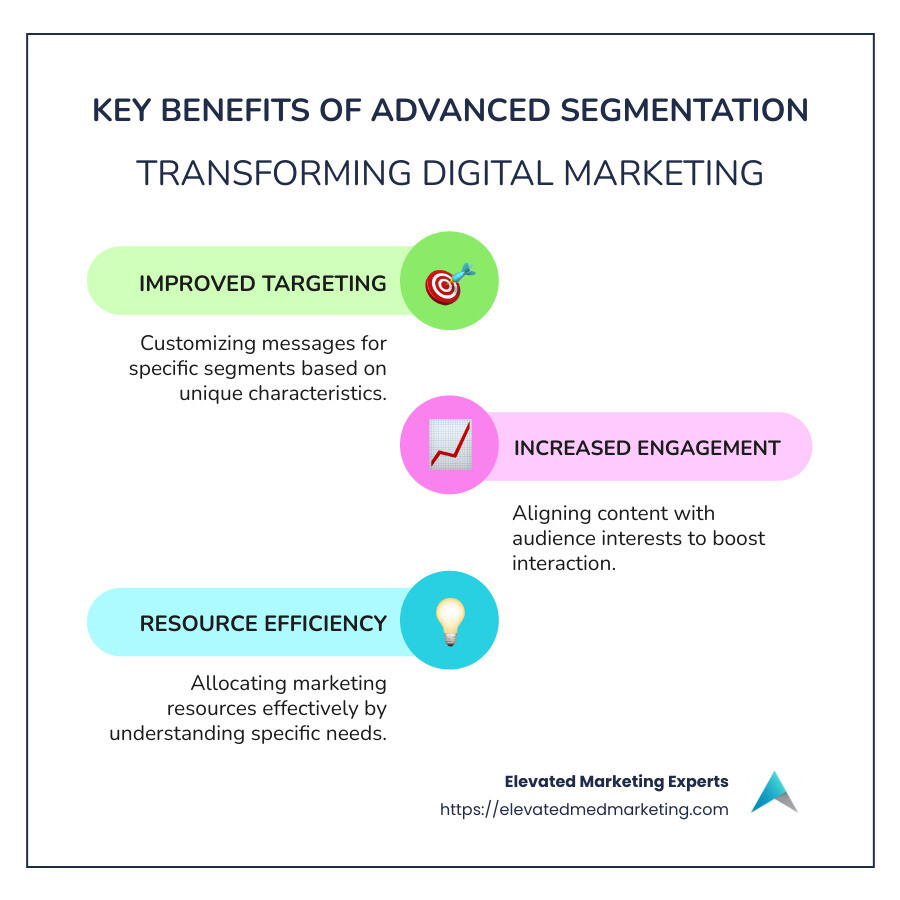
- Improved Targeting: Customize messages for specific audience segments based on their unique characteristics.
- Increased Engagement: Align content with audience interests, boosting interaction and loyalty.
- Resource Efficiency: Allocate marketing resources more effectively by understanding segment-specific needs and behaviors.
- Improved Insights: Gain deeper insights into consumer preferences and behaviors.
By open uping these capabilities, businesses can drive greater success in today’s competitive digital landscape.
I’m Joe Amaral. Leveraging my expertise in digital marketing and advanced segmentation techniques, I’ve empowered businesses to connect with their audiences more effectively. My journey spans various roles and industries, underscoring a passionate commitment to innovation and strategic growth. Join me as we explore these changeal techniques further.
Understanding Advanced Segmentation Techniques
In marketing, advanced segmentation techniques are the keys to open uping deeper connections with your audience. Let’s break down the main types of segmentation: demographic, psychographic, behavioral, and geographic.
Demographic Segmentation
Demographic segmentation is like the basic building block of audience understanding. It sorts people based on easy-to-identify traits like age, gender, income, and education. For instance, if you’re selling luxury skincare products, you might target individuals with higher income levels. This approach helps you focus your efforts where they’re most likely to pay off.

Psychographic Segmentation
Psychographic segmentation digs deeper into the minds of your audience. It looks at their interests, values, and lifestyles. Imagine you’re marketing eco-friendly products. You’d want to reach out to people who value sustainability and have eco-conscious lifestyles. This type of segmentation requires more research, often through surveys and interviews, but it can create highly personalized marketing messages that resonate on a personal level.
Behavioral Segmentation
Behavioral segmentation is all about actions. It focuses on how people behave, such as their buying habits, product usage, and brand interactions. For example, if you notice a group of customers frequently abandons their shopping carts, you might offer them special discounts to encourage completion. This approach is great for tailoring strategies to meet specific behaviors and can be easily implemented using data analytics tools.
Geographic Segmentation
Finally, there’s geographic segmentation. This technique divides your audience based on their location. It’s especially useful for businesses with physical locations or those affected by regional trends. For instance, if you’re promoting winter apparel, targeting areas experiencing cold weather makes sense. Geographic segmentation ensures your marketing is relevant to the local context.

By understanding and applying these advanced segmentation techniques, businesses can craft marketing strategies that are not only more targeted but also more effective. This leads to improved customer engagement and ultimately, business success. Up next, we’ll explore how these techniques are applied in digital marketing to drive even greater impact.
Advanced Segmentation Techniques for Digital Marketing
In digital marketing, advanced segmentation techniques lift your strategy from good to great. Let’s explore some powerful methods: RFM modeling, factor segmentation, propensity modeling, uplift modeling, and the role of machine learning.
RFM Modeling
RFM modeling stands for Recency, Frequency, and Monetary value. This technique segments customers based on how recently they purchased, how often they buy, and how much they spend. It’s like a cheat sheet for identifying your most valuable customers. For instance, Burger King used RFM modeling to boost app revenue by over 90%. They targeted high-value segments with custom promotions, turning insights into action.
Factor Segmentation
Factor segmentation helps you make sense of written responses, like customer feedback or survey answers. It groups similar comments into themes, revealing what’s important to your customers. For example, if customers frequently mention “great pricing” and “value for money,” these insights guide how you market your offerings. This technique helps you position your brand in line with customer priorities.
Propensity and Uplift Modeling
Propensity modeling predicts the likelihood of a customer taking a specific action, such as making a purchase or churning. It’s like having a crystal ball for customer behavior. Uplift modeling goes a step further by identifying those who will only act if given a special nudge, like a promotion. This approach ensures you spend your marketing budget wisely, targeting only those who need an extra push.
Machine Learning
Machine learning is revolutionizing segmentation by automating complex tasks. It processes vast amounts of data to uncover patterns and predict future behaviors. This technology allows for real-time segmentation, adapting to customer actions as they happen. For example, Adobe Analytics uses machine learning to predict customer churn and conversion likelihood, helping businesses make data-driven decisions.
By leveraging these advanced segmentation techniques, digital marketers can create highly personalized experiences that resonate with their audience. This leads to better engagement, increased conversions, and a stronger ROI.
Next, we’ll explore how these techniques are implemented in e-commerce to improve the customer journey and drive sales.
Implementing Advanced Segmentation in E-commerce
In e-commerce, advanced segmentation techniques are game-changers. They help businesses understand their customers better and tailor their marketing strategies effectively. Let’s explore how these techniques can be applied to purchase intent, purchase latency, and the customer journey.
Purchase Intent Segmentation
Purchase intent segmentation focuses on identifying groups of customers who show signs they’re ready to buy. This is crucial for optimizing marketing campaigns. By examining customer journey data, businesses can distinguish between those who are about to purchase and those who are just browsing.
For example, customers who frequently visit product pages or add items to their cart without purchasing might be on the verge of buying. Targeting these customers with personalized promotions or reminders can convert them into buyers. This method ensures that marketing efforts are directed at the right audience, maximizing conversion rates.
Purchase Latency Analysis
Purchase latency, or order gap analysis, looks at how often customers make purchases. This helps identify patterns in buying behavior and predict when a customer is likely to buy again. For instance, if a customer usually buys every three months but hasn’t returned in six, it might indicate they’re about to churn.
Businesses can use this insight to re-engage customers with custom offers or reminders. It’s especially effective for B2B brands, where purchase cycles are longer. By understanding purchase latency, companies can better manage customer relationships and reduce churn rates.
Enhancing the Customer Journey
The customer journey is the path a customer takes from finding a product to making a purchase. Advanced segmentation techniques help create a seamless and personalized journey. By understanding where customers are in their journey, businesses can deliver relevant content at each stage.
For example, a customer in the awareness stage might benefit from educational content, while someone in the decision stage might respond better to a discount offer. By aligning marketing efforts with the customer journey, businesses can improve the shopping experience, leading to higher satisfaction and loyalty.
Advanced segmentation in e-commerce is not just about dividing customers into groups. It’s about understanding their behaviors, predicting their needs, and creating a personalized shopping experience. This approach not only boosts sales but also strengthens customer relationships.
Next, we’ll look at the tools and technologies that make advanced segmentation possible, such as AdRoll and Adobe Analytics.
Tools and Technologies for Advanced Segmentation
When it comes to advanced segmentation techniques, having the right tools can make all the difference. Let’s explore some powerful technologies that can lift your marketing game: AdRoll, Adobe Analytics, and Segmentation IQ.
AdRoll
AdRoll is a versatile platform that excels in audience segmentation and targeted advertising. It offers a range of features designed to help businesses reach the right audience at the right time. With AdRoll, you can segment your audiences based on their interactions with your site. Whether it’s first-time visitors or returning customers, AdRoll allows you to tailor your marketing strategies accordingly.
One of the standout features of AdRoll is its Predictive Smart Audiences tool, especially beneficial for Shopify brands. This tool uses AI to identify shoppers who are ready to buy, at risk, or have high future value. By leveraging this technology, businesses can focus their efforts on rewarding, retaining, and delighting the most promising customers.
Adobe Analytics
Adobe Analytics is a powerhouse when it comes to data insights and segmentation. It provides unlimited real-time segmentation capabilities, allowing businesses to analyze customer behavior at a granular level. With machine learning, Adobe Analytics predicts customer churn and conversion likelihood, making it a valuable tool for remarketing efforts.
A key feature is its integration with Adobe Target, which enables seamless data sharing between the two platforms. This integration reduces redundancy and saves time, allowing marketers to focus on strategy rather than data management. Additionally, Adobe Analytics offers behavior visualizations, helping businesses understand how visitors interact with their digital properties. This insight can be leveraged to improve site design and improve the overall customer experience.
Segmentation IQ
Segmentation IQ is a feature within Adobe Analytics that automates the process of finding differences among segments. It performs an in-depth analysis of every metric and dimension, revealing the most statistically significant differences. This automated analysis is conducted at a speed and volume that manual methods can’t match, making it an invaluable tool for identifying key segments that drive company KPIs.
With Segmentation IQ, businesses can uncover the characteristics of high-performing segments and replicate their success across other groups. This feature streamlines the segmentation process, allowing marketers to focus on executing strategies that align with their company’s goals.
Incorporating these tools into your marketing strategy can transform how you approach segmentation. By leveraging AdRoll, Adobe Analytics, and Segmentation IQ, you can achieve more precise targeting, improve customer retention, and ultimately drive better results.
Next, we’ll tackle some frequently asked questions about advanced segmentation techniques to deepen your understanding of this essential marketing strategy.
Frequently Asked Questions about Advanced Segmentation Techniques
What is advanced segmentation?
Advanced segmentation is like giving your marketing strategy a GPS. Instead of sending the same message to everyone, it lets you split your audience into smaller, more specific groups. This way, you can create personalized content that speaks directly to their needs and interests. Think of it as crafting a message so custom that it feels like a one-on-one conversation.
Advanced segmentation uses detailed criteria to identify these groups. It looks at where people are in their buying journey, what products they like, and even what problems they’re trying to solve. This approach ensures your marketing is relevant and engaging, making it more likely to grab attention and drive action.
What are the main types of segmentation?
Segmentation isn’t one-size-fits-all. There are four main types to consider:
Demographic Segmentation: This is the most basic type, focusing on who your customers are. It includes factors like age, gender, income, and education. For example, if you’re selling luxury watches, you might target high-income individuals.
Geographic Segmentation: This type focuses on where your customers are. It could be as broad as a country or as specific as a neighborhood. Selling winter coats? You’ll want to target colder regions during their winter months.
Psychographic Segmentation: This digs deeper into what your customers care about. It looks at their lifestyles, values, and personalities. For instance, if you’re marketing eco-friendly products, you’d target environmentally-conscious consumers.
Behavioral Segmentation: This is all about what your customers do. It tracks their spending habits, the websites they visit, and how they interact with your brand. This type helps you understand how to market effectively to different groups based on their actions.
How can advanced segmentation improve marketing strategies?
Targeted marketing is the name of the game. By using advanced segmentation, you can send messages that resonate with specific groups, increasing the chance of engagement and conversion. It’s like having a conversation with someone about their favorite hobby rather than a generic topic.
Moreover, customer retention gets a boost too. When customers feel understood and valued, they’re more likely to stick around. By tailoring your strategies to meet their needs, you’re not just selling a product; you’re building a relationship.
Incorporating advanced segmentation into your marketing strategy means more effective campaigns, higher customer satisfaction, and ultimately, better business results. It’s a win-win for both you and your customers.
Next, we’ll explore how these techniques can be implemented in e-commerce to improve customer journeys and drive sales.
Conclusion
At Liftd Marketing Experts, we understand that a one-size-fits-all approach doesn’t cut it in today’s competitive market. Our expertise in digital marketing solutions for plastic surgeons and medical spas sets us apart. We help our clients grow their online presence with custom strategies that leverage advanced segmentation techniques.
Our industry expertise means we know the unique challenges and opportunities in the aesthetics and wellness sector. We craft campaigns that resonate with your audience, ensuring your message is heard by those who matter most. Whether it’s using RFM modeling to identify your most valuable customers or psychographic segmentation to understand consumer motivations, we have the tools and knowledge to drive your success.
By implementing these advanced strategies, we ensure that your marketing efforts are not just effective but also efficient. This means better return on investment and stronger relationships with your clients.
Ready to lift your marketing game? Find how our Google Ads services for plastic surgeons can transform your practice. Let’s take your digital marketing to new heights together.


